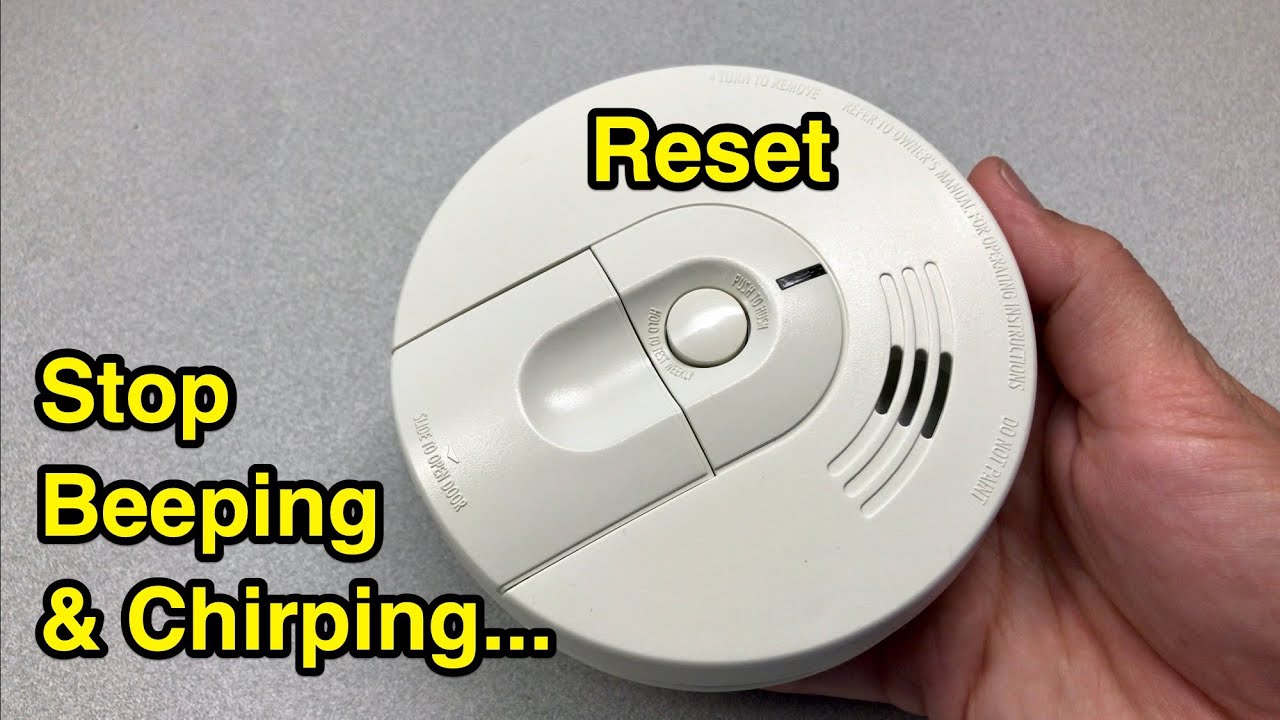
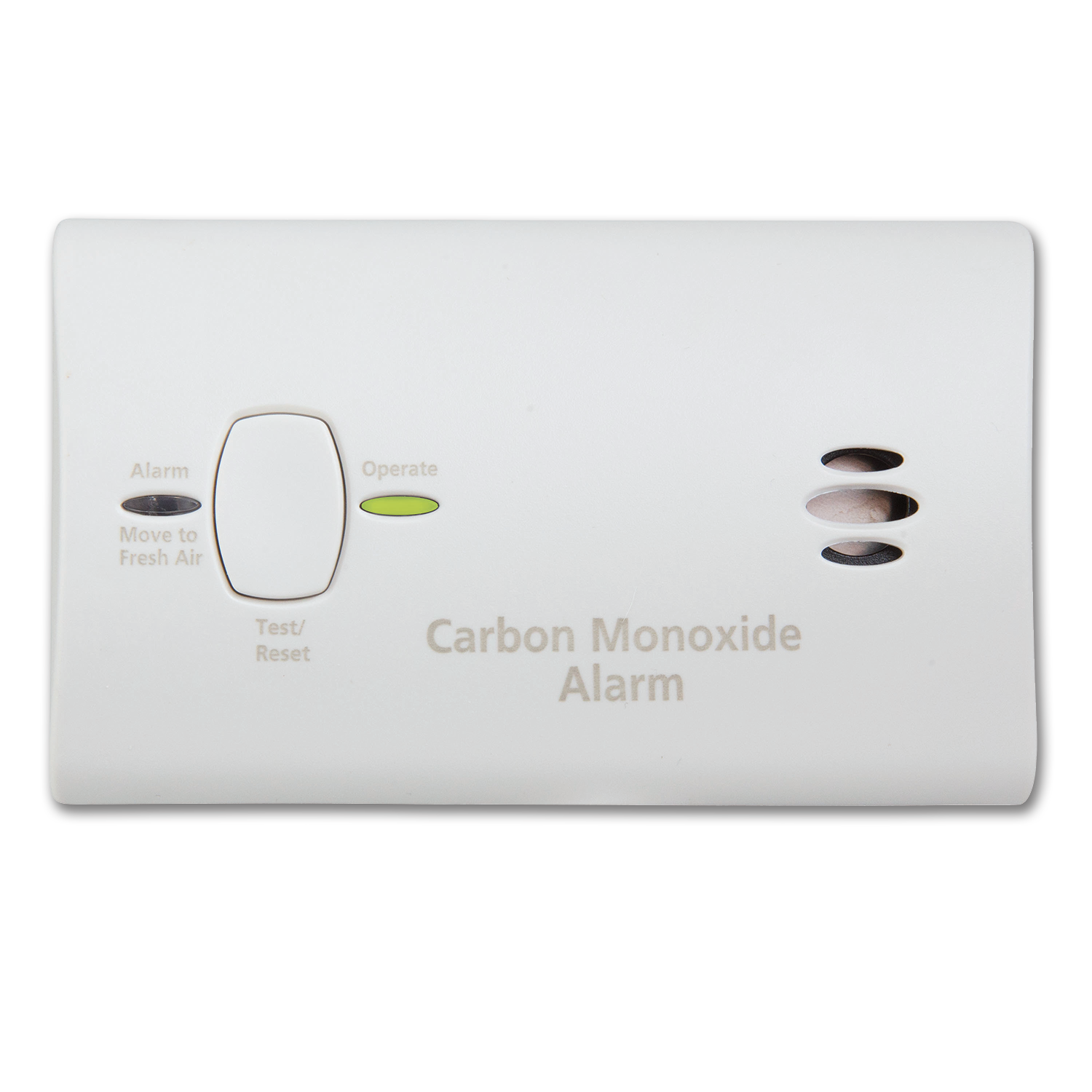
Carbon Monoxide Detector 5 Beeps Every 30 Seconds
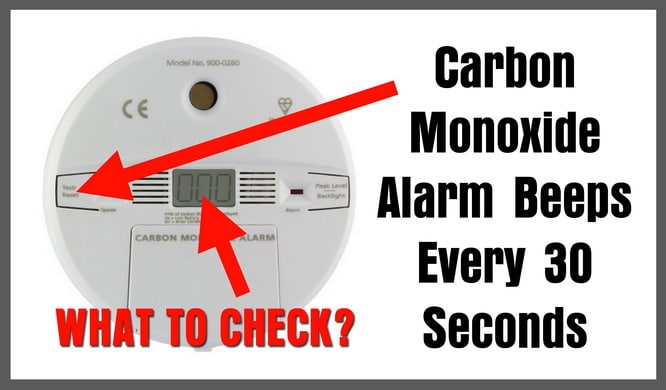
Alright, picture this: you're just chilling at home, maybe making a snack, watching a show, or scrolling through cat videos, when suddenly... beep-beep-beep-beep-beep. Then, a short pause. And then, beep-beep-beep-beep-beep again, every 30 seconds like clockwork. Sound familiar? If your carbon monoxide (CO) detector has started this peculiar five-beep ritual, you might be scratching your head, wondering if it's sending you a secret message or trying to win a game of Morse code.
Let's be real, mysterious beeping from any household gadget can send a tiny shiver down your spine. Is it an emergency? A low battery? Is it just... broken? When it comes to something as important as a CO detector, it’s natural to feel a bit of curiosity (and maybe a dash of concern). But don't you worry, because this specific five-beep melody isn't usually a siren call of imminent danger. In fact, it’s a pretty cool testament to the smart design of these silent guardians.
What's Up With the Five Beeps, Anyway?
So, you hear five beeps every 30 seconds. What's the deal? First, and most importantly: this is not the alarm for a carbon monoxide leak. If there were a real CO emergency, most detectors would let out a much louder, more insistent, and usually four-beep pattern, often accompanied by a flashing red light. That’s the "drop everything and get out!" signal. This five-beep sequence? It's something else entirely.
Must Read
Think of your CO detector like a tiny, dedicated superhero with a built-in expiration date. That repeated five-beep chime is its way of saying, "Hey, listen up! My superhero days are almost over. It's time for a well-deserved retirement." This specific signal typically indicates that the unit has reached its end-of-life, or EOL, as the pros call it. It's basically an automated "time to replace me" message.
Why Do They Have an "End-of-Life"?
It might seem a little odd that a safety device would just decide to stop working after a set period, right? But there’s a super practical reason for it. CO detectors, at their heart, rely on very clever chemical sensors. These aren't just little microphones listening for gas; they actually interact with the air, chemically reacting to the presence of carbon monoxide molecules. Over time, these delicate sensors can wear out, become less sensitive, or just not be as reliable as they once were.
/cdn.vox-cdn.com/uploads/chorus_asset/file/23356188/best_carbon_monoxide_detector_panel.jpg)
Most CO detectors are designed to last about 5 to 7 years. After that, even if they seem fine on the outside, their internal sensing capabilities might be compromised. The manufacturers build in this end-of-life warning to ensure that you always have a fully functional protector watching over your home. It’s a brilliant safety feature, really. Imagine if your smoke detector never told you its battery was low, or your car never told you it needed an oil change – it’s the same principle, but for something invisible and odorless.
So, What Should You Do When You Hear It?
First, and we can’t stress this enough: don't panic! As we've established, five beeps means end-of-life, not an immediate CO threat. However, it does mean your detector is no longer providing optimal protection and needs to be addressed promptly.
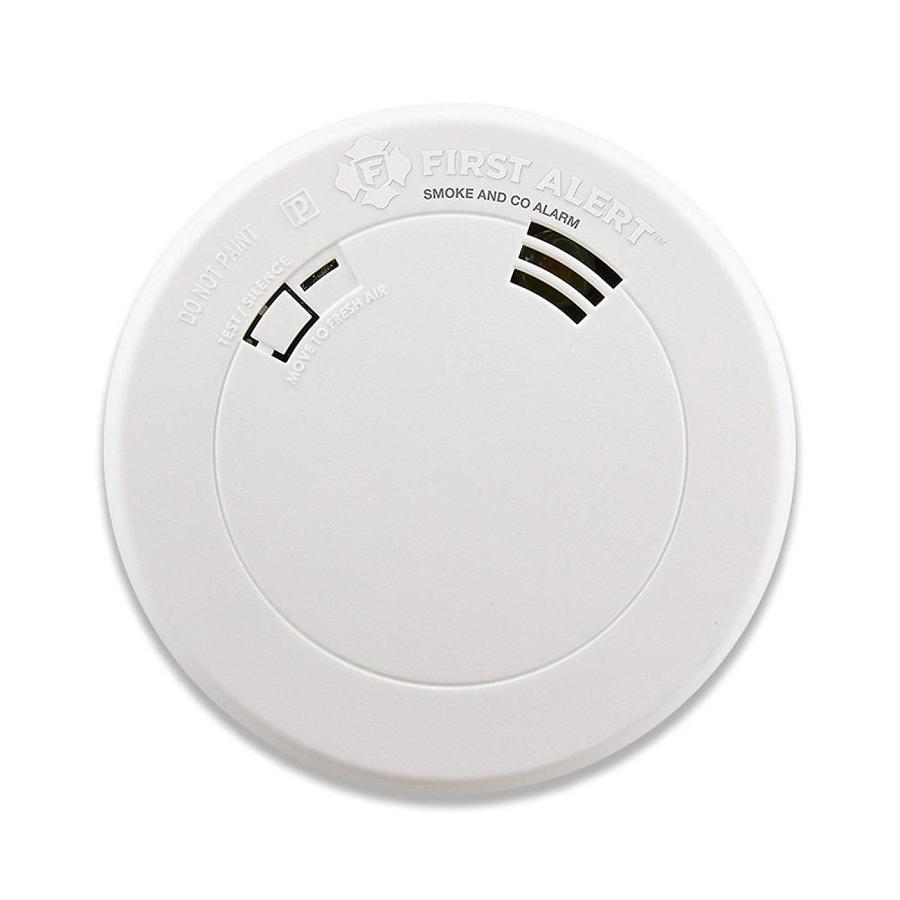
- Verify: Take a peek at the back of your detector. Many models will have a manufacture date or an "install by" date printed on them. You might even find a small sticker or engraving that explicitly states the detector's lifespan. Some might even have a little screen that says "END," "Err," or "REP" (replace).
- Replace: This is the crucial step. It's time to get a new CO detector. They're readily available at most hardware stores or online, and they're a small investment for such vital peace of mind. When you install the new one, make sure to mark the installation date (many even come with a little sticker for this) so you know when to expect its next retirement party.
- Proper Disposal: Don't just toss the old one in the regular trash. Some detectors contain small amounts of batteries or other components that should be recycled responsibly. Check your local regulations for electronic waste disposal.
Why These Little Gadgets Are Truly Fascinating
Beyond just the beeps, isn't it incredible what these detectors do? Carbon monoxide is often called the "silent killer" because it's completely undetectable by human senses. You can't see it, smell it, or taste it. It can build up in your home from faulty furnaces, gas stoves, fireplaces, or even cars idling in an attached garage. Without a detector, you'd never know it was there until symptoms of poisoning began to appear, and by then, it could be too late.
These humble little devices are literally life-savers, standing sentinel 24/7, constantly sniffing the air for this invisible menace. They're like your home's personal guardian angel, always on duty, asking for nothing but a periodic battery check and a replacement every few years. That five-beep signal, rather than being annoying, is actually a final act of service – a polite reminder that even heroes need to pass the torch.
So, the next time you hear that distinctive beep-beep-beep-beep-beep, instead of sighing, maybe give a little nod of appreciation to your diligent carbon monoxide detector. It's done its job, it's letting you know it's time for a new recruit, and it's just given you a friendly nudge to keep your home safe and sound. Go ahead, check the dates on your detectors – it's a small task that makes a big difference!