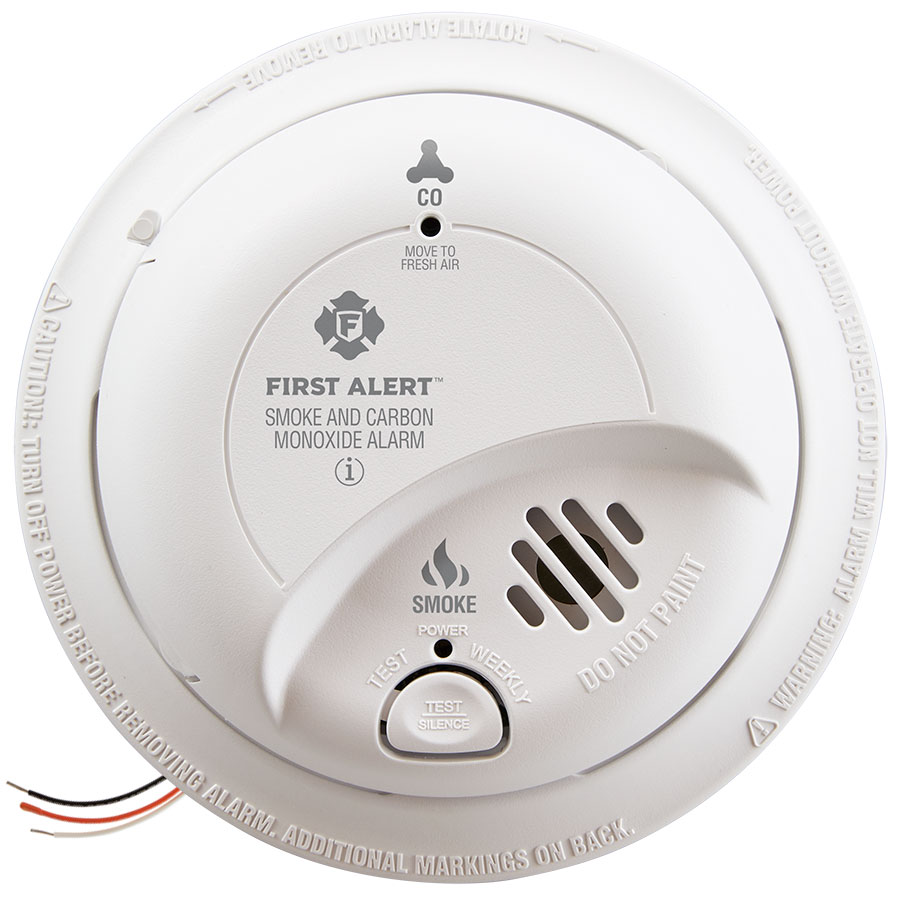
Carbon Monoxide And Fire Alarm Detector

Alright, let's talk about those little disc-shaped gadgets stuck to our ceilings and walls. You know the ones. They’re usually silent, unassuming, and then BAM! They unleash a shriek that could wake the dead, usually when you’ve just managed to burn a piece of toast to an unholy crisp. Ah, the good old smoke alarm.
The Maestro of Melodrama: Your Fire Alarm
We've all been there. You're whipping up a culinary masterpiece (or, more likely, a slightly overdone grilled cheese), and suddenly your kitchen is a fog of… well, smoke. Before you can even wave a dish towel at the offending fumes, your smoke alarm lets out a piercing, ear-splitting wail. It's like having a tiny, very dramatic opera singer living in your ceiling, just waiting for an excuse to belt out a high note.
And honestly, bless its little electronic heart. While it might give you a minor heart attack when it goes off (especially if you just set off the microwave popcorn again), it's doing its job. It's shouting, "Hey! Something's burning! Get out or deal with it!" It's the ultimate neighborhood watch for your home, always on alert for the tell-tale signs of a fiery fiesta gone wrong. Think of it as your house's personal, highly sensitive nose, sniffing out trouble so you don't have to.
Must Read
It's also the reason you still have a house and not just a pile of ashes and regret. So, next time it goes off because you looked away from the frying pan for one second, remember it's just practicing for the big one. And hey, it's a great excuse to air out the kitchen!
Enter the Silent Ninja: Carbon Monoxide
Now, while fire alarms are like the loud, boisterous friend who always points out the obvious, there's another hero in the safety squad who's much more subtle. Meet the Carbon Monoxide (CO) detector. This little gem is designed to sniff out something far more insidious than burnt dinner: carbon monoxide.
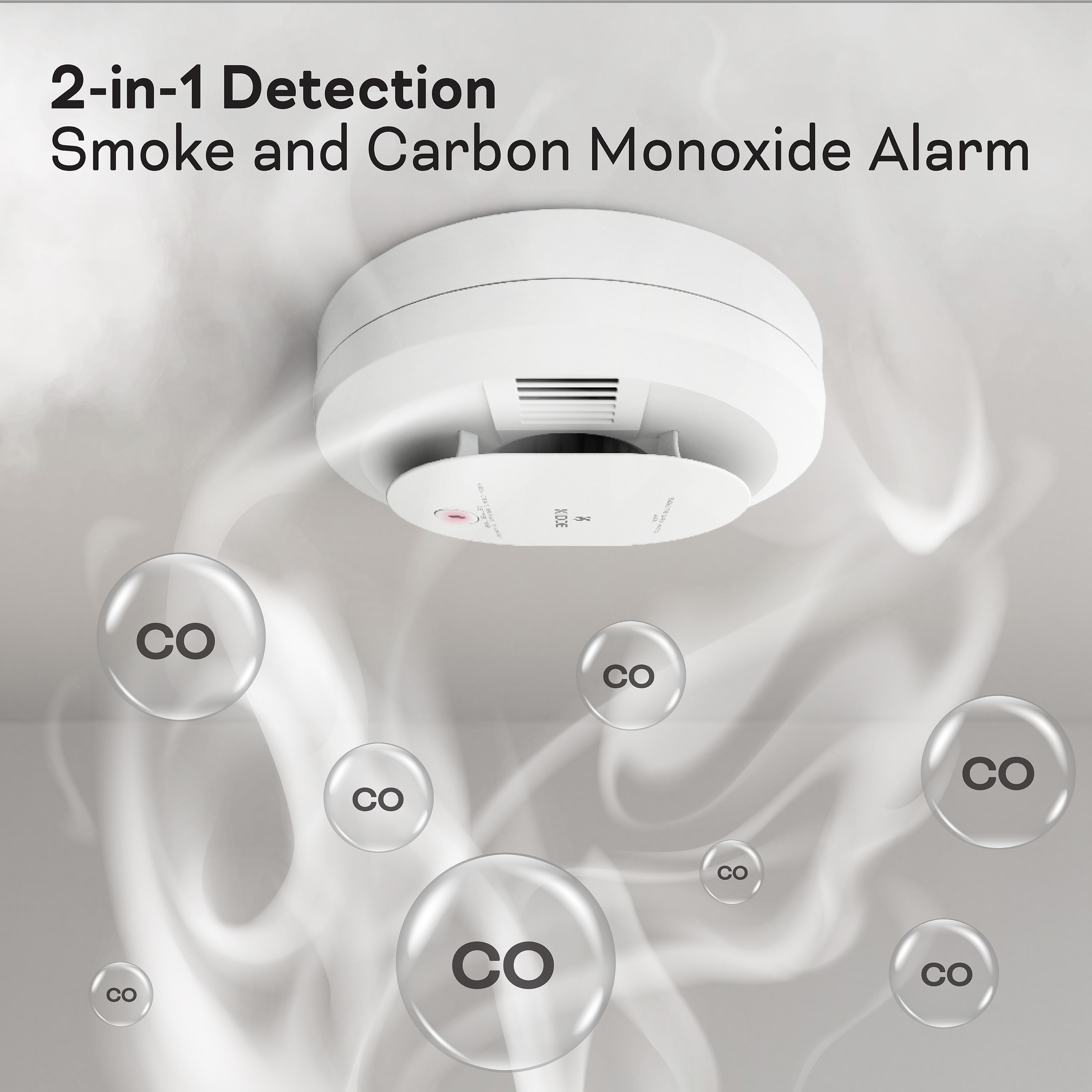
Imagine a villain in a spy movie. They're invisible, odorless, tasteless, and silently infiltrate your defenses. That's CO. It's often called the "silent killer" for a reason. You can't see it, you can't smell it, and you can't taste it. It's not going to announce its presence with a plume of smoke or the sizzling sound of something catching fire.
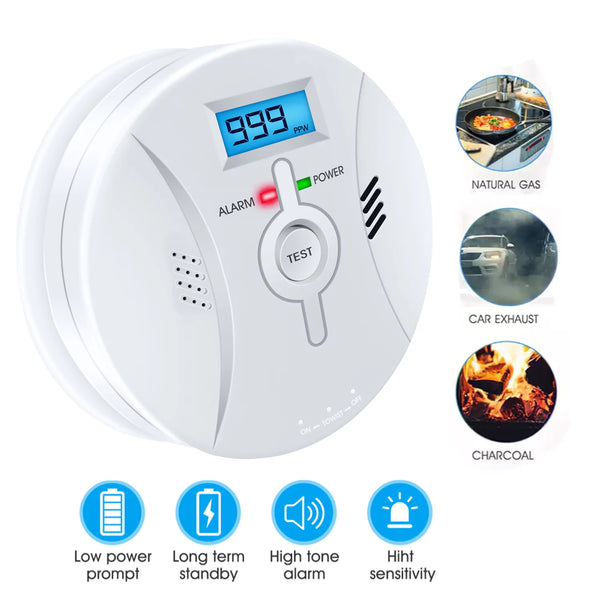
This sneaky gas is produced when fuels (like natural gas, propane, wood, or charcoal) don't burn completely. Think furnaces, gas stoves, fireplaces, water heaters, and even your car running in an attached garage. If these appliances aren't properly ventilated or maintained, CO can build up in your home, turning your cozy living room into a dangerously toxic environment without you ever knowing.
Why the CO Detector is Your Invisible Guardian
So, while your smoke alarm is busy yelling about your overcooked pizza, your CO detector is quietly standing guard against a much more sinister threat. It’s like having a secret service agent in your home, protecting you from an enemy you can’t even perceive.
Exposure to CO can lead to symptoms that often mimic the flu – headaches, dizziness, nausea, fatigue. You might just think you're having a bad day, or maybe coming down with a cold. But in reality, your body is being starved of oxygen because the CO is hogging all the spots on your red blood cells. In high concentrations, it can be fatal.
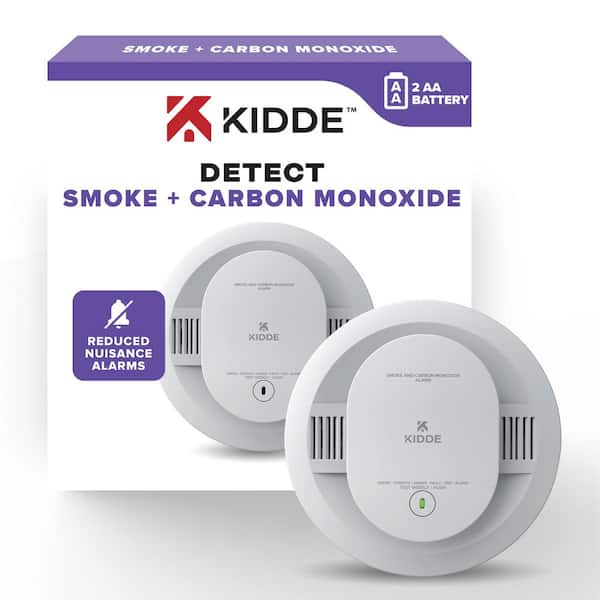
That’s why the CO detector is such a critical piece of tech. Unlike the smoke alarm, it's not going to chirp at you every time you try to toast a bagel. It's only going to alert you when that invisible gas reaches dangerous levels, giving you a crucial head start to get to fresh air and call for help. It’s the peace of mind knowing that even when you’re sound asleep, there’s an electronic nose on duty for the truly undetectable threats.
Keeping Your Guardians Happy
Both your fire and CO detectors are hardworking heroes, but they need a little TLC. Remember that agonizing, singular "chirp" that happens in the dead of night, usually at 3 AM? That's your detector telling you its battery is on its last legs. Don't ignore it! Change those batteries regularly – a good rule of thumb is twice a year, maybe when you change your clocks for daylight saving. And hit that test button every month or so, just to make sure they're still in good voice.
In a nutshell, these little devices might be the biggest drama queens (smoke alarms) or the quietest unsung heroes (CO detectors) in your home. But they're both absolutely essential. They’re not just gadgets; they're your first line of defense, your early warning system, and your personal guardians against the unexpected. So, give them a little respect, keep them powered up, and rest easy knowing they've got your back (and your lungs!).