Carbon Monoxide Alarm Mounting Height
Let's be honest, few of us wake up in the morning thinking, "Boy, I can't wait to check on my carbon monoxide alarm today!" It's not exactly the thrilling adventure of a roller coaster or the quiet joy of a perfectly brewed cup of coffee. And yet, this unassuming little gadget plays a remarkably similar role in our lives: it provides a profound sense of peace of mind. Much like securing your seatbelt before a drive, or locking your door at night, knowing your CO alarm is diligently standing guard allows you to truly relax and enjoy the sanctuary of your home. It’s the unsung hero of hearth and home, silently ensuring your family’s safety while you’re busy making memories.
So, what exactly is this superhero battling? It’s carbon monoxide (CO), an insidious, odorless, colorless, and tasteless gas often dubbed the "silent killer." CO is a byproduct of incomplete combustion, meaning it can be produced anytime a fuel like natural gas, propane, wood, or charcoal is burned. Common culprits in our homes include furnaces, gas stoves, water heaters, fireplaces, and even car exhaust from an attached garage. The alarm's primary benefit is simple yet life-saving: it detects this deadly gas before it reaches dangerous levels in your home, giving you crucial time to evacuate and seek fresh air. It's your early warning system against an invisible threat, turning potential tragedy into a manageable inconvenience.
You'll find CO alarms integrated into smoke detectors, or as standalone units, in nearly every modern home. They’re required by law in many places, and for good reason. They’re especially critical in bedrooms, near attached garages, and on every level of your home, particularly wherever fuel-burning appliances reside. Think of them as tiny guardians, placed strategically throughout your fortress to detect any incoming danger.
Must Read
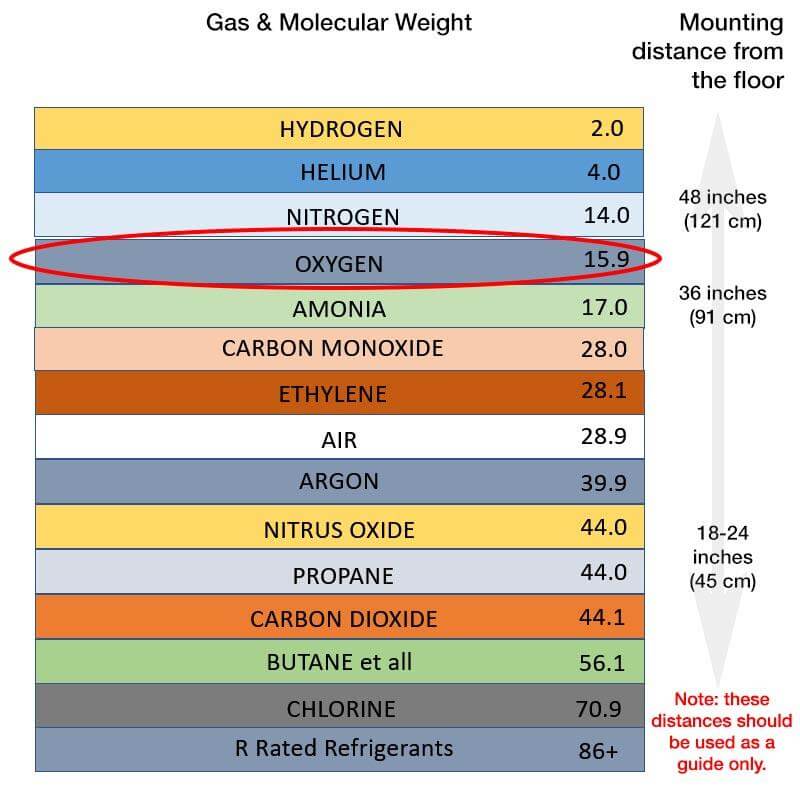
Now, to truly maximize the effectiveness of these diligent guardians, there’s one aspect that often leaves people scratching their heads: mounting height. There’s a persistent myth that CO is either always lighter or always heavier than air, dictating a specific high or low placement. The truth, however, is that CO mixes readily with air, making its density very similar to the air around it. This means it doesn't just "float up" or "sink down" in a predictable manner. So, what’s the golden rule?

The absolute best advice is to always follow the manufacturer's instructions. If that manual has vanished, however, here are some generally accepted best practices:
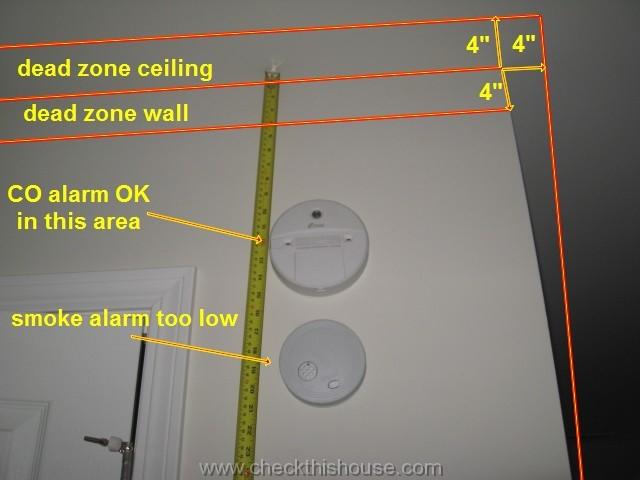
- Wall Mounting: Many manufacturers recommend mounting on a wall, typically at eye level or higher – often around five feet from the floor. This height keeps it visible, audible, and less likely to be obstructed by furniture.
- Avoid Extremes: Steer clear of dead air spaces (corners), direct sunlight, high humidity (bathrooms), or areas with fluctuating temperatures. Don't place them too close to windows, doors, or vents that could interfere with readings.
- Sleeping Areas: Install CO alarms in or near all sleeping areas to ensure rapid alert in case of an overnight leak.
- Every Level & Near Appliances: Place at least one CO alarm on every level of your home, with additional units near major fuel-burning appliances.
Remember, proper placement gives your alarm the best chance to do its job. Regularly test your alarms, and don't forget their expiration dates – typically 5-7 years! By following these simple guidelines, you’re strategically placing a vital sentry, ensuring your home remains the safe, happy haven it's meant to be. Now that’s something to feel good about!
/fig 1.png?width=850&name=fig 1.png)