
Carbon Monoxide Alarm Beeping 4 Times

Picture this: you’re curled up on the couch, maybe with a cup of tea, maybe binging your favorite show, when suddenly... beep-beep-beep-beep! Silence. Then again, beep-beep-beep-beep! Your heart does a little jump. What in the world was that? If it's your carbon monoxide (CO) alarm doing that very specific four-beep dance, your home might just be giving you a very important, albeit alarming, heads-up.
Most of us are pretty familiar with the ear-splitting shriek of a smoke alarm. That’s a "get out, something's on fire!" warning. But the four-beep serenade from your CO alarm? That’s its way of gently, but firmly, saying, "Hey, friend, there might be some invisible nasties floating around here, and we need to check this out."
What’s with the Four Beeps?
Simply put, four beeps from your CO alarm mean it’s detected carbon monoxide in the air. Unlike your smoke detector, which sniffs out actual smoke, your CO alarm is on the lookout for a much stealthier villain. Think of it like a silent, invisible party crasher that nobody invited, and your alarm is the bouncer giving a very clear warning signal.
Must Read
Carbon monoxide is a real sneak. It’s colorless, odorless, and tasteless. You can’t see it, you can’t smell it, you can’t taste it. Which, let's be honest, makes it incredibly rude. It’s like a ninja ghost that slowly, quietly, starts to mess with your body without you even realizing it. That’s why your CO alarm is such a hero – it’s got superpowers to detect what our human senses can’t.
Why Should We Care About This Invisible Guest?
Alright, so it’s invisible. So what? Here’s where it gets serious, but don't worry, we'll keep it light. CO basically tricks your body. When you breathe it in, your red blood cells, which are usually oxygen super-fans, get a little confused. They see CO and think, "Ooh, oxygen! Let’s grab it!" But CO is like a bad ex; once it latches on, it doesn't want to let go, blocking the actual oxygen from getting where it needs to be.
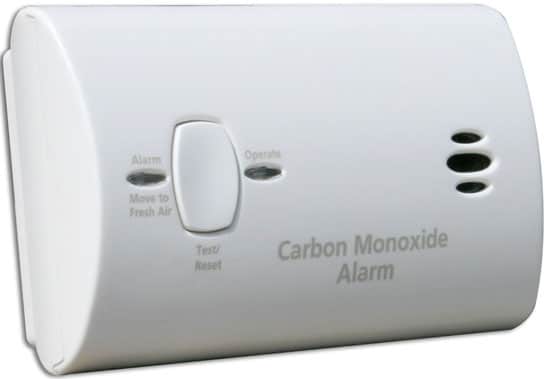
Imagine trying to run a marathon but only getting sips of water. You’d feel pretty terrible, right? That’s kind of what happens to your cells when CO is present. Early symptoms can be super sneaky and often mistaken for a bad flu or just being plain tired: headaches, dizziness, nausea, shortness of breath, or just feeling a bit "off." It’s like your body is quietly trying to tell you something's wrong, but in a very confusing whisper.
Where Does This Stealthy Stuff Come From?
CO isn't just floating around for fun. It's usually a byproduct of incomplete combustion. In plain English? When things burn inefficiently. Think of your furnace, gas stove, water heater, fireplace, or even a car running in an attached garage. If these appliances aren't maintained properly, or if there's poor ventilation, they can start producing CO. It’s like your car suddenly deciding to blow smoke inside the cabin – not ideal!
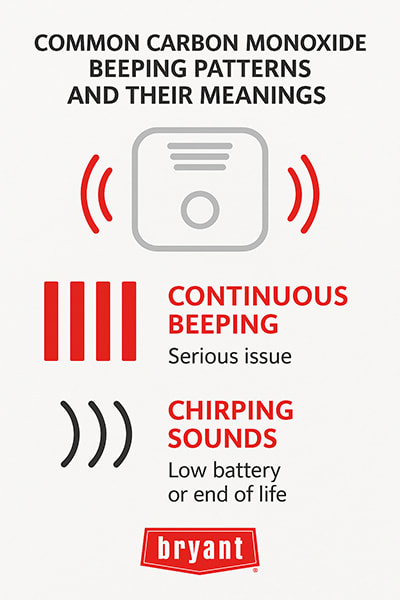
Your furnace might just be having a little cough it needs checking out. Your gas range might be a little under the weather. That’s why regular maintenance of these appliances isn’t just good practice; it's a lifesaver. It’s like taking your car for an oil change – you do it to keep things running smoothly and safely.
My Alarm is Beeping 4 Times – Now What?!
Okay, the moment of truth. Your alarm is doing its four-beep warning. Here’s the absolute, non-negotiable drill:

- Don’t ignore it. Seriously. Don't think, "Oh, maybe it's just low battery" (that's usually a single, sporadic beep, not four in a row!).
- Get everyone, including pets, out into fresh air immediately. Open windows and doors on your way out if you can do so quickly and safely. Think of it as a polite, but very firm, evacuation.
- Call 911 or your local emergency services (like your fire department). Tell them your carbon monoxide alarm is beeping. They are the experts, and they will come out with specialized equipment to check your home's CO levels. They’re like the superheroes of air quality, and trust us, they'd rather come out for a false alarm than for a real emergency.
- Do not re-enter your home until emergency services say it's safe. They'll identify the source of the CO and tell you when it's okay to go back inside.
The Takeaway: Your Alarm is Your Best Friend
Having a CO alarm, and knowing what its various beeps mean, is one of the simplest and most effective ways to protect yourself and your loved ones from this silent danger. Think of your CO alarm as your home's vigilant guardian, always on watch, ready to sound the alert when things get a little dodgy.
Test your alarms regularly! Most have a "test" button. Give it a little press once a month, just to make sure it’s awake and ready for action. It’s like giving your alarm a little high-five and checking in.
So, the next time you hear that distinctive beep-beep-beep-beep, don't panic. Instead, take a deep breath (of fresh air!), and remember that your smart little device just did its job. It gave you the warning you needed to keep everyone safe. And that, my friends, is something worth smiling about.
