
Carbon Dioxide Fire Extinguishers Are Designed For Which Fuel Types

Ever gazed at a fire extinguisher, sitting there all red and mysterious, and wondered about its secret superpowers? We're not talking about your everyday water-spraying hero. Oh no, today we're diving into the cool, crisp world of the carbon dioxide, or CO2, fire extinguisher!
These sleek, usually black-horned beauties are like the secret agents of the fire safety world. They don't make a mess, they work like magic, and they're designed for some pretty specific, high-stakes scenarios. So, let's pull back the curtain and find out which fiery foes these bad boys are built to tackle!
The Master of Electrical Mayhem: Class C Fires!
Alright, picture this: your computer server room starts to spark. Or maybe an overloaded power strip in your office decides to throw a mini light show. Electrical fires are a serious business, and you absolutely, positively do not want to hit them with water. Why? Because water conducts electricity, turning your fire-fighting efforts into a shocker of a situation – and not the fun kind!
Must Read
Enter the CO2 extinguisher, stage left! This is where it truly shines, like a superhero finally finding its perfect villain. CO2 is a gas, right? And gases don't conduct electricity. So, when you blast a CO2 extinguisher at an electrical fire, it essentially smothers the flames without putting you or anyone else at risk of electrocution. It's like sending in a ghost to fight a monster – super effective and leaves no trace!
Think about all those sensitive electronics: computers, servers, expensive machinery. If you used a powder extinguisher, you'd put out the fire, sure, but you'd also create a gigantic, corrosive mess that could damage the equipment beyond repair. But with CO2? It just dissipates into thin air, leaving your tech (hopefully) intact and fire-free. It's the cleanest breakup you'll ever see with a fire!
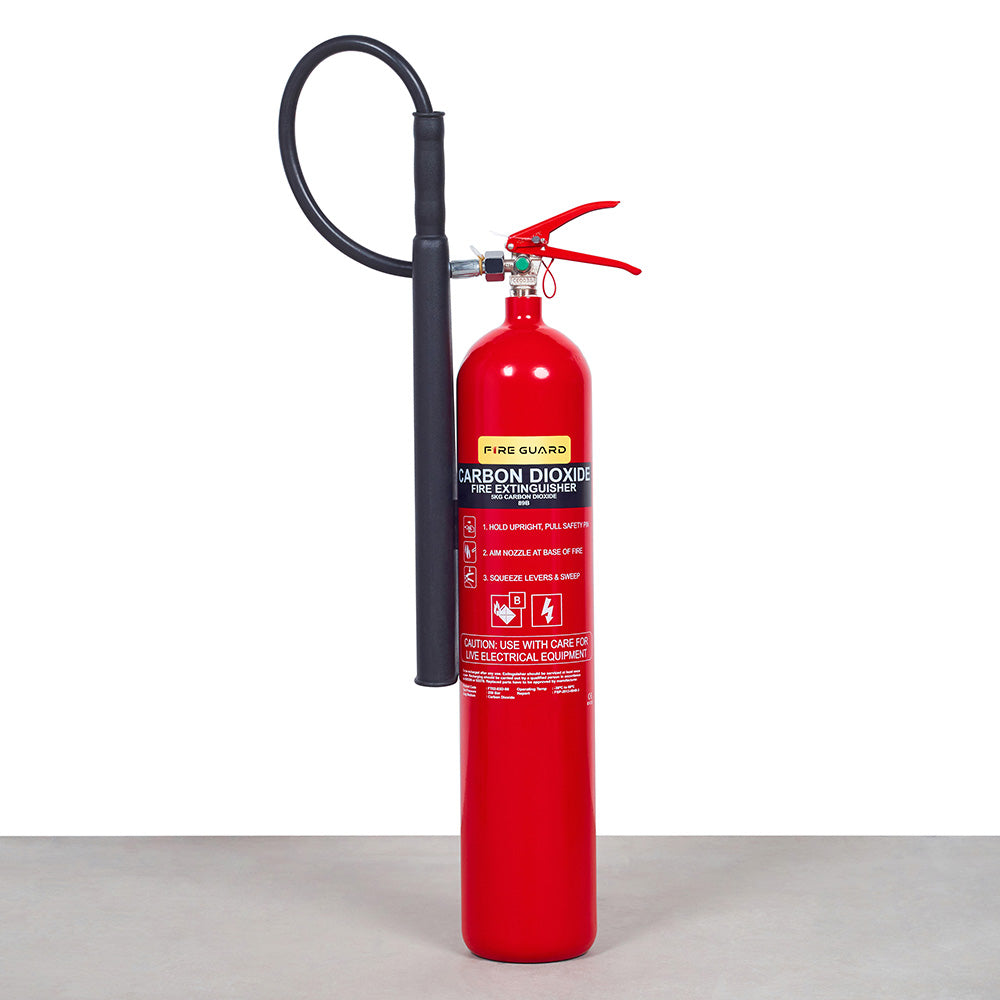
Taming the Liquid Flames: Class B Fires!
Beyond the sparks and wires, our CO2 hero also has a knack for handling another tricky type of blaze: flammable liquids and gases. These are your Class B fires, folks! We're talking about things like gasoline, oil, paint thinners, solvents, and even that grease fire that got a little out of hand in your buddy's garage (though, usually, for kitchen grease, a wet towel or lid is safer first!)
Why is CO2 so good at this? Well, when you unleash that icy blast of carbon dioxide, it does two fantastic things. First, it literally robs the fire of oxygen. Fire needs oxygen to live, just like we do. CO2 is heavier than air, so it forms a blanket over the burning liquid or gas, suffocating the flames. Poof! Fire gone.
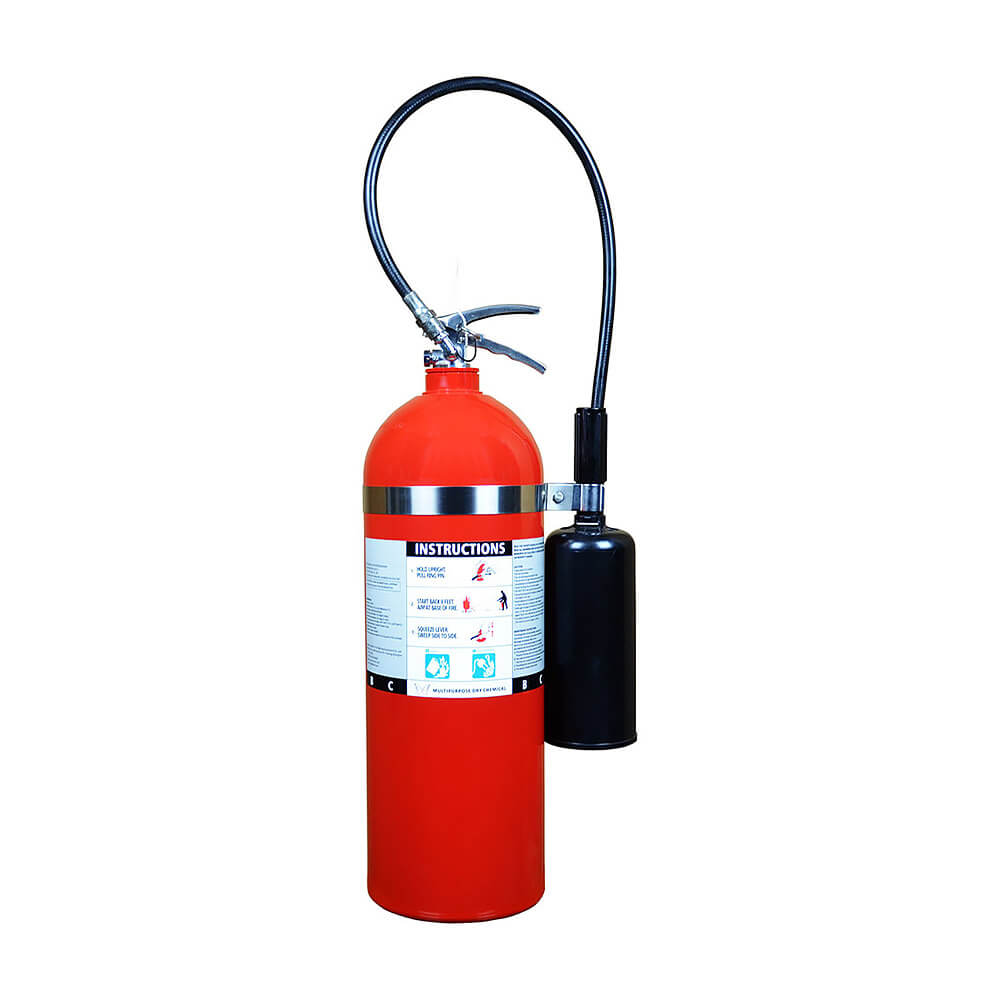
Second, and this is where the "cold" part of the CO2 comes in: it also helps to cool down the fuel. Flammable liquids and gases need to be at a certain temperature to keep burning. The extreme cold from the CO2 discharge (we're talking seriously cold, sometimes -78°C!) helps to drop that temperature, making it harder for the fire to reignite.
Imagine a spilled can of gasoline catching fire. You wouldn't throw water on that, would you? That would just spread the burning liquid and make things worse! But a CO2 extinguisher can swoop in, blanket the fire, and extinguish it without making a mess or spreading the fuel. It's like giving the fire a sudden, icy time-out!
What CO2 Is NOT For (And Why That's Funny!)
Now, while CO2 extinguishers are undeniably cool, they're not for everything. Trying to put out a bonfire with a small CO2 extinguisher would be like bringing a squirt gun to a dragon fight – amusing, but ultimately ineffective!
They are not designed for Class A fires. These are fires involving ordinary combustibles like wood, paper, cloth, or trash. While CO2 might temporarily put out the visible flames, it doesn't cool down the solid material enough. So, the fire could easily reignite, leaving you scratching your head and the fire roaring back with a triumphant smirk. For those, you typically need water or a multi-purpose dry chemical extinguisher.
The Quirky Fun of CO2: The Ghost Extinguisher!
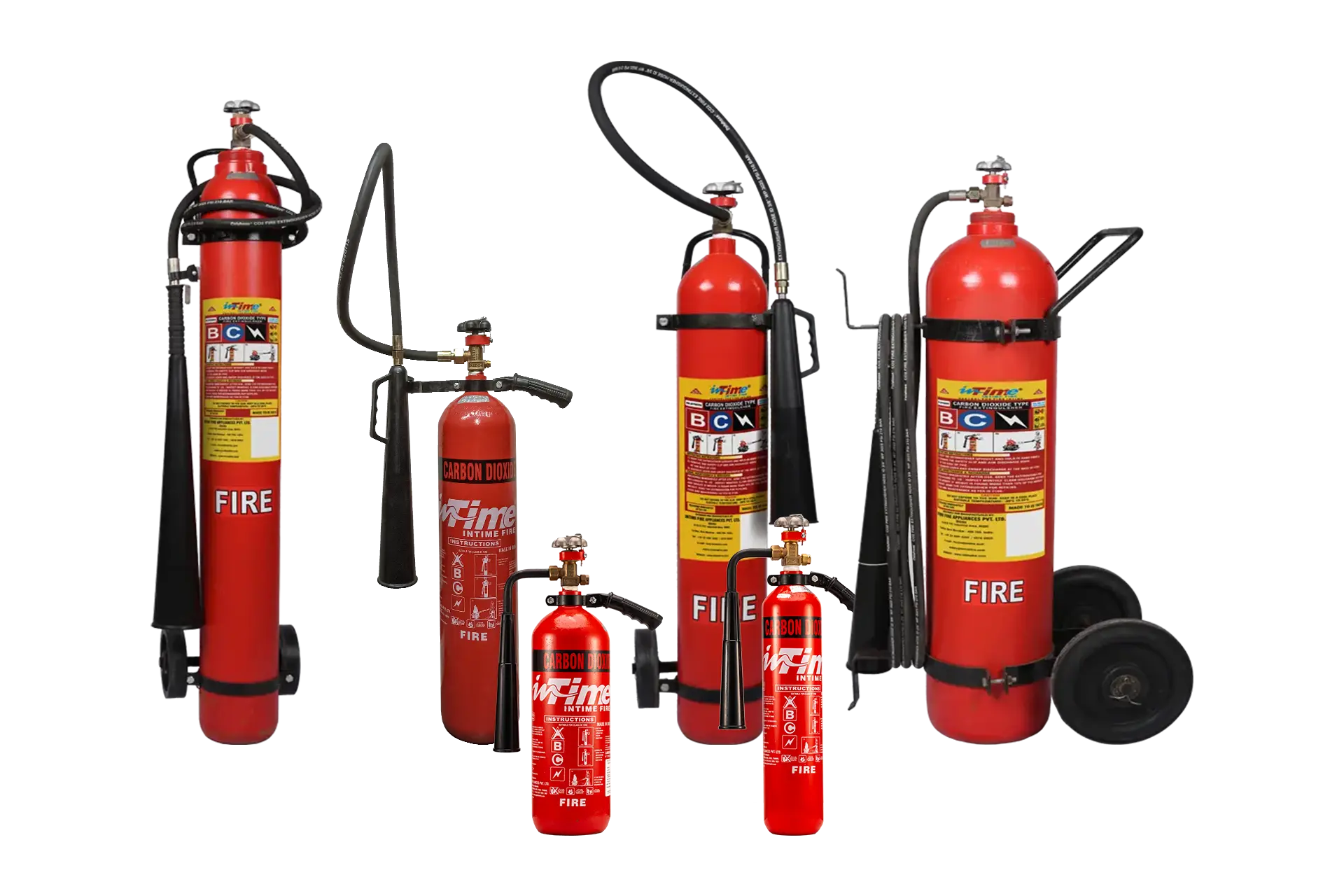
Here's the really fun part: CO2 extinguishers leave NO RESIDUE! Seriously, none! After you've blasted a fire, the carbon dioxide gas simply dissipates back into the atmosphere. It's like the fire never happened, except for the lingering smell of smoke and maybe some charred bits. This is why they're so beloved in places with delicate equipment or food preparation areas.
And let's talk about the whoosh! When you pull the pin and squeeze the lever, there's a satisfying, powerful blast of icy-cold fog that erupts from the horn. It's dramatic, it's effective, and it’s genuinely impressive to witness (from a safe distance, of course!). Just remember, that horn gets extremely cold, so you hold it by the handle, not the actual horn, unless you want a frosty surprise!
So there you have it! The CO2 fire extinguisher: the unsung hero for electrical woes and liquid infernos. It's clean, it's cool, and it's designed with precision for some very specific, important tasks. Pretty neat, right? Now go forth, impress your friends with your newfound fire safety wisdom, and remember to always stay curious!