
Car Runs Rough When Ac Is On
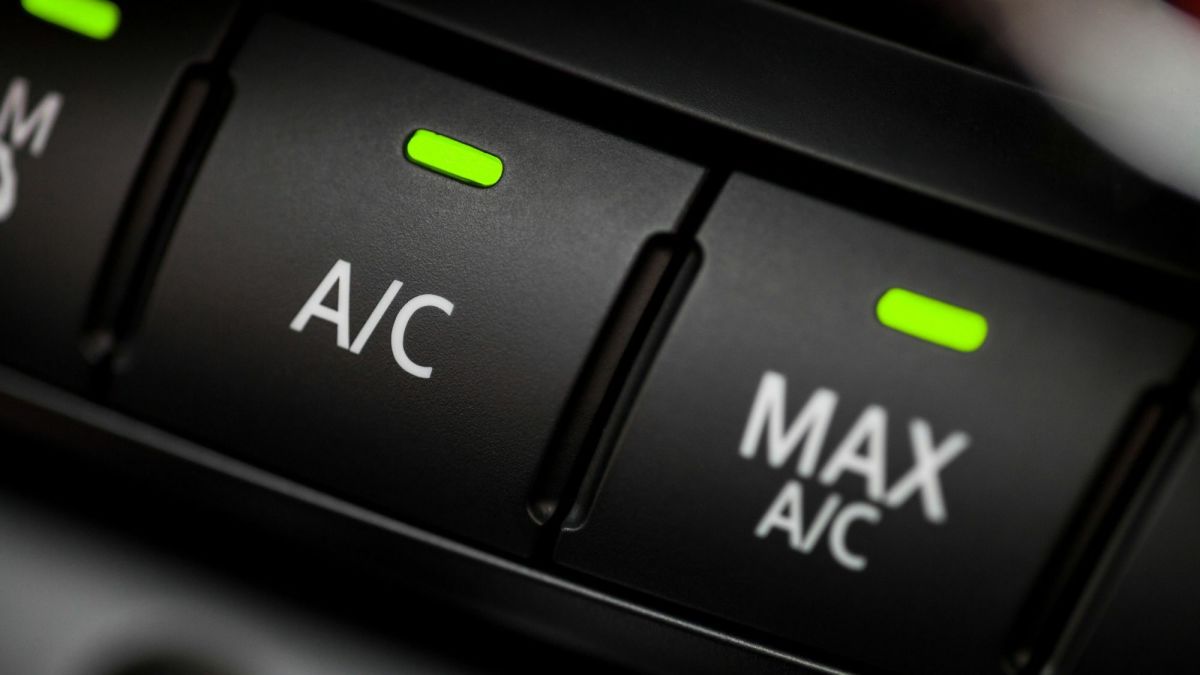
Picture this: It’s the kind of day where the air itself feels like a hot, damp blanket. You slide into your car, a beacon of hope shining in your eye, because you know a simple button press will bring forth that glorious, frosty relief. You hit the AC button, and for a split second, all is well in the world. Then, your car transforms. It starts to shudder, cough, and groan like it’s trying to dislodge a very large, disgruntled badger from its exhaust pipe. The RPMs dip, the engine sputters, and you wonder if you’ve just inadvertently ordered a side of apocalypse with your air conditioning.
Ah, the classic "car runs rough when AC is on" conundrum! It's less a minor inconvenience and more a dramatic performance of automotive angst. You’re not alone in this peculiar purgatory. Millions of drivers have experienced their beloved vehicle suddenly developing the mechanical equivalent of a severe case of the Mondays, all because they dared to ask for a little cool air.
Why Does My Car Suddenly Hate Air Conditioning?
Let's get down to brass tacks, or rather, down to the slightly greasy truth. Your car's air conditioning system isn't some magical, power-free entity. Oh no, my friend. That frosty blast comes at a cost, and that cost is paid directly from your engine's paycheck. The main culprit in this power drain is the AC compressor.
Must Read
Think of your AC compressor as a really enthusiastic, but ultimately demanding, houseguest. It's essentially a pump that circulates refrigerant, creating that wonderful cold air. But for it to do its job, it needs to be spun by your engine. It's like asking a marathon runner to also carry a refrigerator on their back while they run – it's going to slow them down, make them work harder, and possibly make them grumble a lot. When the AC engages, your engine has to suddenly provide extra power, and if it's not up to the task, or if something else is already a bit wonky, that’s when the drama begins.
Fun fact: A car's AC system can gobble up anywhere from 5 to 10 horsepower! That's a significant chunk, especially for smaller engines or when you're just idling.

The Usual Suspects Behind the Ruckus
So, what exactly could be causing your car to throw a tantrum when the cool air kicks in? Let's meet the cast of characters:
The Overzealous AC Compressor Clutch
The AC compressor clutch is like the bouncer at the club, deciding when the compressor gets to join the party. It engages and disengages the compressor from the engine's drive belt. If this clutch is sticky, worn out, or just feeling a bit dramatic, it might engage with a sudden jolt, or drag excessively, causing your engine to lurch and stutter. It’s not a smooth transition; it’s more like a mechanical belly flop.
The Confused Idle Air Control Valve (IACV)
The Idle Air Control Valve (IACV) is your engine's mini-brain, specifically tasked with keeping your engine idling smoothly. When the AC turns on, the IACV is supposed to get the memo: "Hey, bump up the idle a bit, we've got an extra load now!" If it's gunked up with carbon, stuck, or just plain faulty, it's like a sleepy intern who never got the memo. It fails to compensate for the AC's demands, and your engine's RPMs plummet, leading to that rough, near-stall feeling. It's a critical little component that often gets overlooked.

The Misfiring Spark Plugs or Ignition Coils
Your spark plugs and ignition coils are the unsung heroes delivering that critical spark for combustion. If they're worn out, dirty, or failing, your engine might already be running a bit rough, but you just haven't noticed. Add the extra load of the AC, and suddenly, those tiny misfires become glaringly obvious. It's like trying to sing karaoke with a sore throat – you might manage it without the spotlight, but as soon as the pressure's on, everyone knows you're struggling.
The Sneaky Vacuum Leak
A vacuum leak is like having tiny, invisible holes in your car's intake system, letting unmetered air sneak in. This messes with the precise air-fuel mixture your engine needs to run smoothly. When the AC turns on, the engine's demands change, and any existing vacuum leak gets magnified, turning a subtle wobble into a full-blown shudder. It's the silent saboteur that drives mechanics crazy.

The Struggling Alternator or Weak Battery
Your alternator generates electricity for your car, and your battery stores it. The AC system is a significant electrical drain. If your alternator isn't charging efficiently, or your battery is on its last legs, there might not be enough juice to go around. This can cause the engine to work harder to compensate, leading to rough running, dimming lights, and a general sense of electrical malaise. It's your car’s equivalent of a brownout.
The Squealing or Slipping Serpentine Belt
The serpentine belt is the hardworking superstar that drives all your accessories, including the AC compressor, alternator, and power steering. If this belt is worn, cracked, or loose, it might slip under the extra strain of the AC. This causes not only that characteristic squealing noise but also intermittent power delivery to the compressor, making your engine feel erratic. A faulty belt tensioner can also be the culprit, allowing the belt to flop around like a wet noodle.
What You Can Do (Before Panicking)
Before you commit to selling your car and buying a bicycle (which, let's be honest, sounds tempting on a hot day), there are a few things you can do:

- Listen: Pay attention to any new noises when the AC kicks in. Is it a squeal (belt)? A clunk (clutch)? A hiss (leak)?
- Look (Carefully!): With the engine off and cool, pop the hood. Check the serpentine belt for cracks or fraying. Wiggle it gently (but don't get your fingers caught!).
- Check Your Fluids: Though less common for this specific issue, ensuring your engine oil is at the right level and clean is always good practice.
- Observe: Does it only happen at idle, or while driving too? Does it smooth out after a few seconds? These details help a mechanic diagnose.
Warning: The AC system contains high-pressure refrigerant. Unless you’re a certified mechanic with specialized tools, do not try to open or service any part of the refrigerant system yourself. It’s dangerous and bad for the environment.
When to Call in the Big Guns (A.K.A. Your Mechanic)
For anything beyond basic observation, it’s best to call in the professionals. Diagnosing these issues often requires specialized tools to check sensor readings, vacuum pressure, and electrical loads. Your mechanic can pinpoint whether it's a simple fix like a gunked-up IACV or something more involved like a failing compressor or a stubborn vacuum leak.
So, the next time your car starts to impersonate a dying whale when you hit the AC button, don't despair. You're not alone, and there's usually a perfectly logical (if annoying) explanation. A little diagnostic work, and soon you'll be cruising in cool comfort, your car purring like a kitten, not coughing like a smoker in a dust storm. Stay cool, my friends!