Car Exhaust Carbon Monoxide Or Dioxide
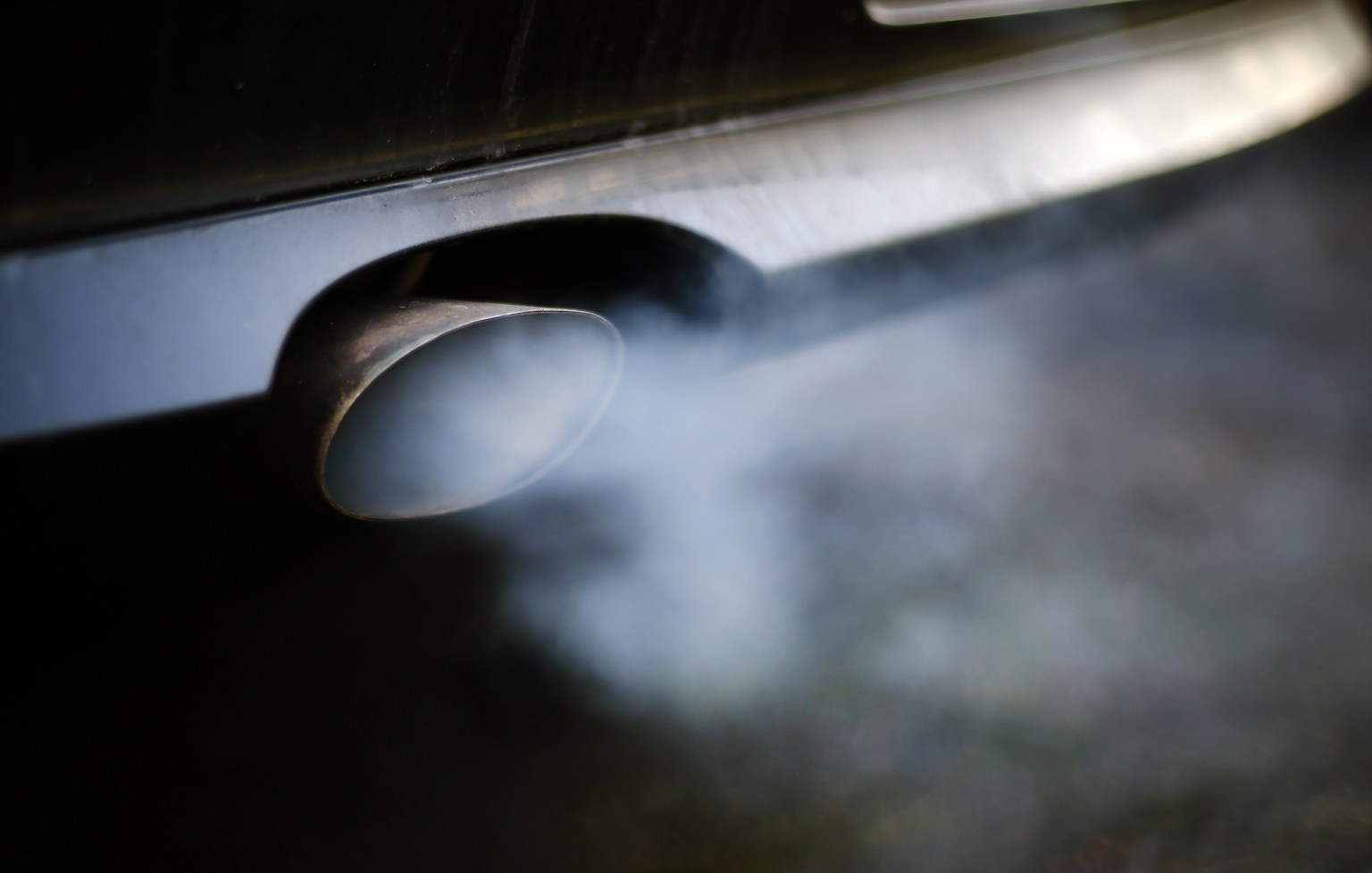
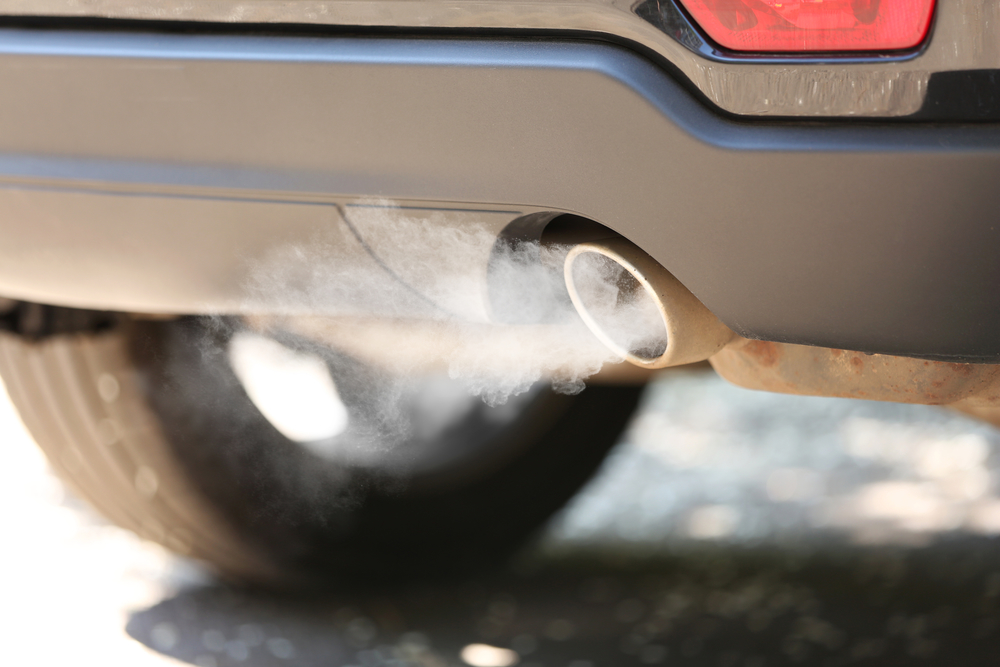
Ever driven past a car and seen a puff of smoke from its exhaust? Or perhaps you've heard whispers about "emissions" and "air quality" on the news? While it might sound like complicated science, understanding what comes out of your car's tailpipe is actually super useful and, dare we say, a little bit fascinating! It’s not just about what makes the world go 'round; it’s about what makes your car go 'round and what that means for both your safety and our planet.
Today, we're diving into the curious case of two chemical cousins that are constantly in the news: Carbon Monoxide and Carbon Dioxide. They sound similar, right? But trust us, the difference between them is huge, especially when it comes to car exhaust. Getting a grip on these two will give you a clearer picture of how your car works, how to stay safe, and how we can all contribute to a healthier environment.
First up, let’s talk about Carbon Dioxide (CO₂). This is the stuff that gets a lot of airtime when we talk about climate change. When your car's engine is running smoothly and efficiently, it's doing what we call complete combustion. This is when the fuel (like gasoline) burns completely with oxygen, and the main byproduct is CO₂ and water vapor. Think of CO₂ as the "normal" exhaust gas. In the grand scheme of things, it's a natural part of our atmosphere and essential for plants (hello, photosynthesis!). However, too much of it from human activities, including driving, contributes to the greenhouse effect, warming our planet. So, while it's not immediately harmful to you in typical outdoor concentrations, it has a long-term global impact. Understanding this helps us appreciate efforts to improve fuel efficiency and develop electric vehicles.
Must Read
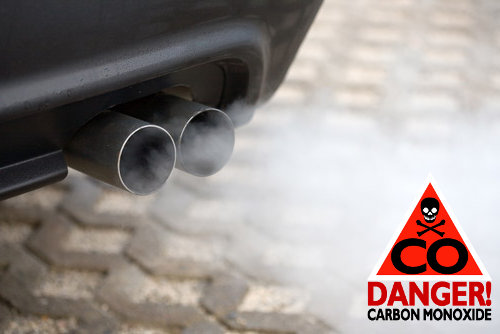
Now, let's switch gears to its much more sinister sibling: Carbon Monoxide (CO). This is the one you really need to know about for your immediate safety. Unlike CO₂, Carbon Monoxide is a product of incomplete combustion. This happens when there isn't enough oxygen to burn the fuel completely. And here's the kicker: CO is completely odorless, colorless, and tasteless. That's right, you can't see it, smell it, or taste it, making it incredibly dangerous. Why? Because when you breathe in CO, it quickly replaces oxygen in your blood, effectively suffocating your body's cells. Symptoms can range from headaches and dizziness to nausea, and in high concentrations, it can be fatal. This is why you should never run your car in an enclosed space like a garage, and why regular car maintenance (especially checking your exhaust system) is so important. A well-maintained engine means less CO!
So, what's the big takeaway? Knowing the difference empowers you. You understand that Carbon Dioxide is a key player in environmental concerns, while Carbon Monoxide is an immediate, invisible threat to human health. This knowledge benefits you by making you a more informed driver, helping you prioritize car maintenance for safety, and giving you a better grasp of the environmental conversations around cars. It’s not just exhaust; it’s a tiny chemistry lesson with big real-world implications!