Can Zero Sugar Energy Drinks Cause Weight Gain
Let's dive into the fizz! We're talking about zero sugar energy drinks, those bubbly beverages promising a jolt without the guilt. They're everywhere, aren't they? From gas stations to gyms, they're the go-to for that afternoon pick-me-up or pre-workout boost. But here's the burning question: can something with zero sugar actually contribute to weight gain? It sounds counterintuitive, doesn't it? That's why this topic is so fascinating – and incredibly useful for anyone trying to manage their weight while still enjoying a little energy boost!
The purpose of this article is simple: to break down the science (or lack thereof!) behind the zero-sugar energy drink and weight gain connection. We're going to explore what these drinks actually contain, how your body reacts to them, and ultimately, whether or not you should be worried about them sabotaging your weight loss goals. The benefit? You'll walk away with a clearer understanding of these drinks and be able to make informed choices about incorporating them into your diet.
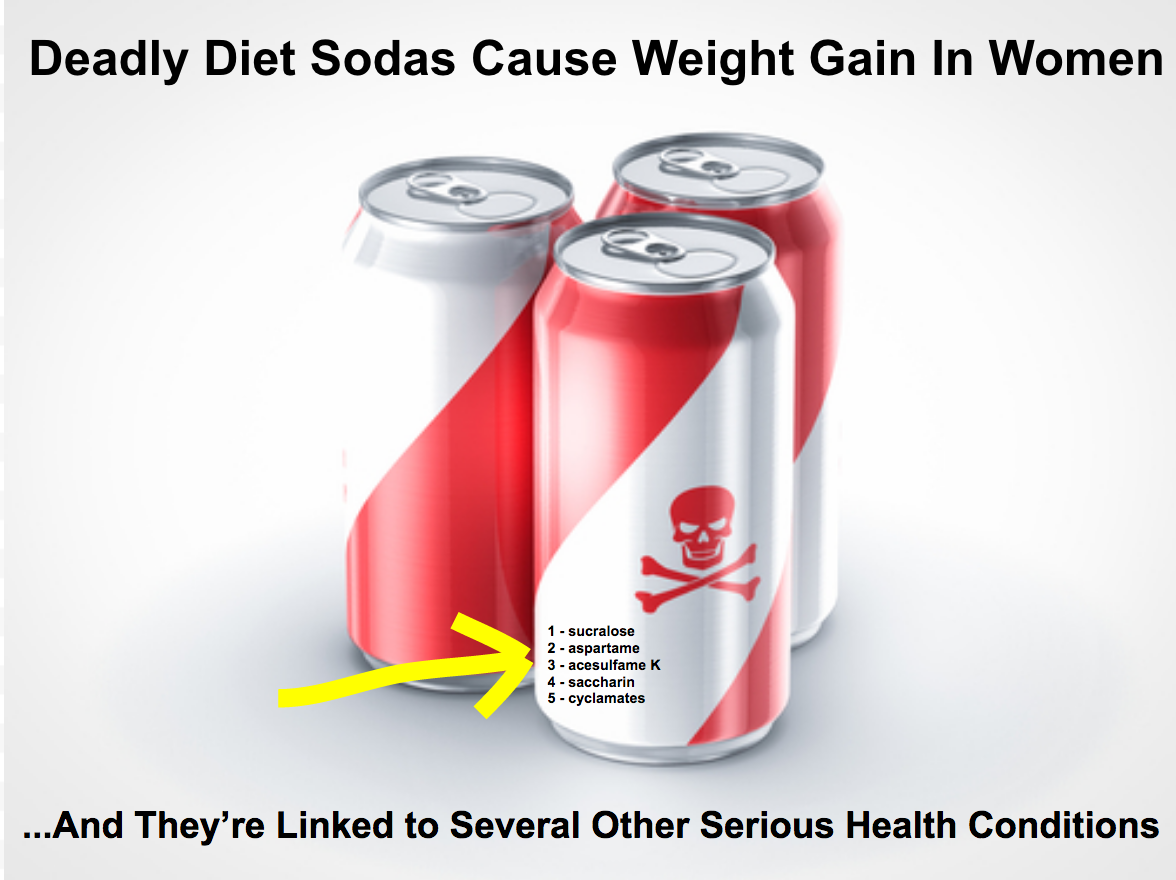
So, what's the deal? Zero sugar means zero calories, right? Well, not always. While they might be free of sucrose and high-fructose corn syrup, these drinks often contain artificial sweeteners like aspartame, sucralose, or stevia. These sweeteners are incredibly potent – much sweeter than regular sugar. And that's where things get a little murky.
Must Read
Here's where the debate comes in. Some studies suggest that artificial sweeteners can disrupt your gut microbiome. Your gut is a complex ecosystem of bacteria that plays a crucial role in digestion and overall health. Disruptions to this system could potentially lead to changes in how your body metabolizes food, potentially influencing weight gain over the long term. However, the research is still ongoing and not conclusive. Many studies show no direct link between artificial sweeteners and weight gain.
Another theory revolves around the "cephalic phase insulin response." Basically, when you taste something sweet, your body anticipates sugar and releases insulin. Even if there's no actual sugar, the insulin surge could theoretically lead to increased hunger and cravings, causing you to overeat later. Again, this is a complex process, and the effects vary greatly from person to person.

Furthermore, energy drinks contain caffeine, and many also contain other stimulants. While caffeine can temporarily boost your metabolism, it can also lead to increased cortisol levels (the stress hormone). Chronically elevated cortisol can contribute to weight gain, particularly around the abdominal area. But this is more of a concern with excessive consumption, not necessarily from a single can of zero sugar energy drink.
The bottom line? While zero sugar energy drinks might indirectly contribute to weight gain for some people due to gut microbiome changes, increased cravings, or elevated cortisol levels (especially with excessive consumption), they are unlikely to be a major culprit if you're maintaining a healthy lifestyle. Focus on a balanced diet, regular exercise, and getting enough sleep. If you enjoy these drinks in moderation and are mindful of your overall intake, they're unlikely to derail your weight loss efforts. Listen to your body, and if you notice any negative effects, consider cutting back or switching to healthier alternatives like green tea or black coffee.