
Can You Weld With A Pacemaker
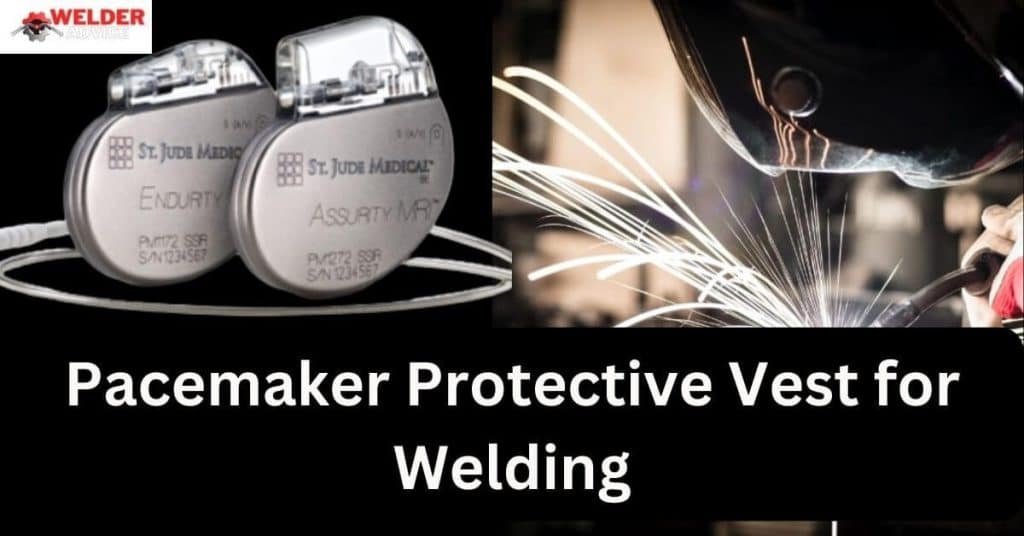
Alright, let's chat! You've got a fantastic, life-improving little device tucked away, keeping your ticker on schedule – a pacemaker! And you, my friend, also happen to love the satisfying sizzle and glow of welding. So, the big question burning brighter than a fresh weld bead is: "Can I still weld with this bionic beat?"
It’s a super common, totally valid question, and definitely not one to just shrug off. We're talking about your heart, after all, and we want it doing its job, not trying to conduct a heavy metal concert in your chest!
The Short Answer (and why it's a bit squishy)
The super-duper short answer is: "Potentially yes, but with a whole lot of caveats and common sense!" It's not a hard no, which is great news, but it's also not a "go for it, no worries!" type of situation. Think of it like trying to juggle chainsaws – theoretically possible, but you're gonna want some serious safety gear and a really good coach.
Must Read
Why All The Fuss?
So, what's the big deal? Well, welding equipment, especially certain types, generates electromagnetic fields (EMFs). These invisible energy waves are everywhere (your cell phone, microwave, even your toaster creates them), but welding gear kicks them up a notch.
The worry is that these EMFs could potentially interfere with your pacemaker's delicate electronics. It could cause it to temporarily malfunction, deliver an unnecessary shock (ouch!), or even just get confused and not do its job properly for a moment. We definitely don't want your pacemaker thinking it's time for a disco nap when it should be keeping things steady!
Your Absolute First Step: Talk to Your Doc!
Before you even think about picking up that torch again, your very first, most crucial step is to talk to your cardiologist and the doctor who manages your pacemaker. Seriously, this isn't optional. They are the absolute experts on your specific device and your heart condition.

They can tell you:
- What type of pacemaker you have: Newer models often have better shielding.
- Its specific settings: Some are more sensitive than others.
- Your individual risk factors: What's safe for one person might not be for another.
The "Okay, I've Talked To My Doctor, Now What?" Steps
Assuming your medical team gives you the green light (or at least a "maybe, with these rules"), here are some absolutely critical precautions to embrace. Think of these as your welding with a pacemaker mantra!
1. Keep Your Distance (and your chest safe!): This is arguably the biggest one. You want to maintain as much distance as possible between your pacemaker (usually on your upper chest) and the welding arc, leads, and power source. Never lean over the welding equipment or the workpiece. No hugging the welder, even if it's having a bad day!

2. Proper Grounding is Gold: Always, always ensure your welding machine and workpiece are properly grounded. A good ground connection helps to contain the electromagnetic field. It's like building a nice, cozy fence around those pesky EMFs.
3. Shorter Bursts, Lower Amperage: If you're able to adjust your welding parameters, using lower amperages and shorter welding times can reduce EMF exposure. Think quick, efficient passes rather than long, drawn-out ones.
4. Inspect Your Cables: Frayed or damaged welding cables can leak EMFs. Make sure all your cables are in tip-top shape. No dodgy connections allowed!
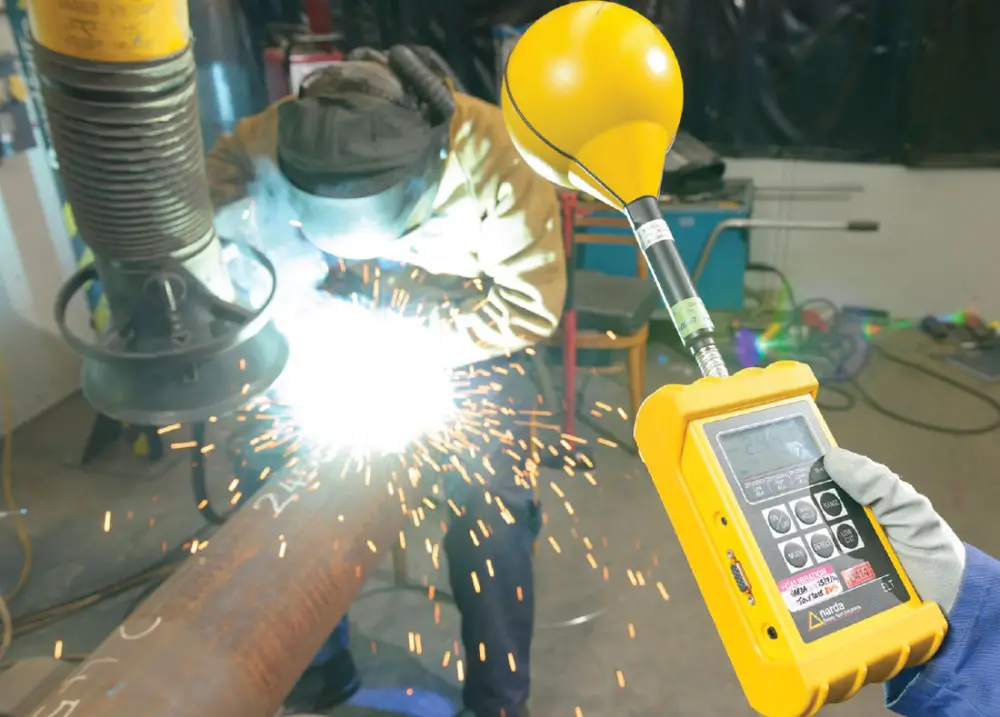
5. Know Your Welding Process: Some welding processes produce stronger EMFs than others. For example, Stick (SMAW) and TIG (GTAW) welding might be riskier than MIG (GMAW) or Flux-Cored (FCAW) due to their arc characteristics and how they generate current. Discuss this with your doctor – they might have specific recommendations.
6. Don't Weld Alone: This is a good rule for everyone, but especially important if you have a pacemaker. Have someone nearby who knows you're welding and is aware of your condition, just in case.
7. Listen to Your Body: If you feel anything unusual – dizziness, lightheadedness, a racing heart, a weird thump, or even just a general "off" feeling – stop immediately! Step away from the welding area and assess the situation. Your body is giving you important feedback.
Modern Pacemakers are Pretty Smart!
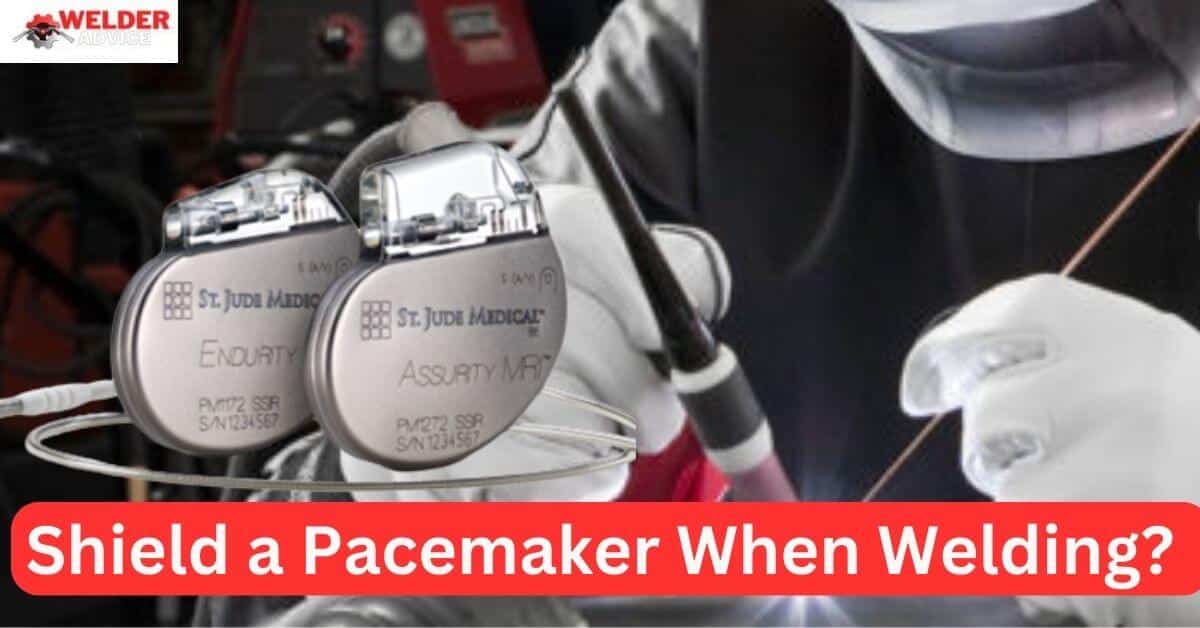
It's worth remembering that modern pacemakers are incredibly sophisticated and often include features like advanced shielding and detection systems designed to minimize interference. They're built to be tough, but even the toughest tech has its limits, especially when pitted against powerful EMFs. So, while your device is clever, your caution is still the ultimate superhero.
The Takeaway: Weld Smart, Live Full!
Having a pacemaker doesn't automatically mean hanging up your welding helmet forever. With proper medical consultation, strict adherence to safety guidelines, and a healthy dose of common sense, many people with pacemakers can continue to enjoy their passion for welding.
The key is to prioritize your health and well-being above all else. Be informed, be cautious, and don't be afraid to ask questions. You've got that amazing little device helping you live your best life – so let's keep you safe, happy, and perhaps still making those beautiful, glowing welds. Go forth and create (safely, of course!), knowing you've got this!