
Can You Use Flour To Put Out A Grease Fire

Alright, fellow food enthusiasts and accidental kitchen adventurers, let's talk about that moment. You know the one. You're sizzling up some bacon, or maybe frying a glorious batch of homemade chips (yum!), and then – poof! – a little grease decides to stage its very own fiery rebellion. Panic stations! Your heart does that frantic tap dance, right?
In that split second of "oh my goodness, what do I do?!" many of us might instinctively reach for the nearest, seemingly benign white powder in the pantry. And what's more common than flour? It's right there, often in a big, friendly bag, ready for baking masterpieces. So, the burning (pun intended!) question on many minds is:
"Can I use flour to put out a grease fire?"
The Great Flour Fiasco: A Kitchen Comedy (or Tragedy?) Waiting to Happen!
It sounds so innocent, doesn't it? Just sprinkle some flour on the flames, and like magic, it’ll extinguish them.
Spoiler alert:
If you've ever had this thought, please, for the love of all things delicious and non-flammable, put it right out of your mind! Because here's the unvarnished, slightly dramatic, but utterly crucial truth:
Must Read
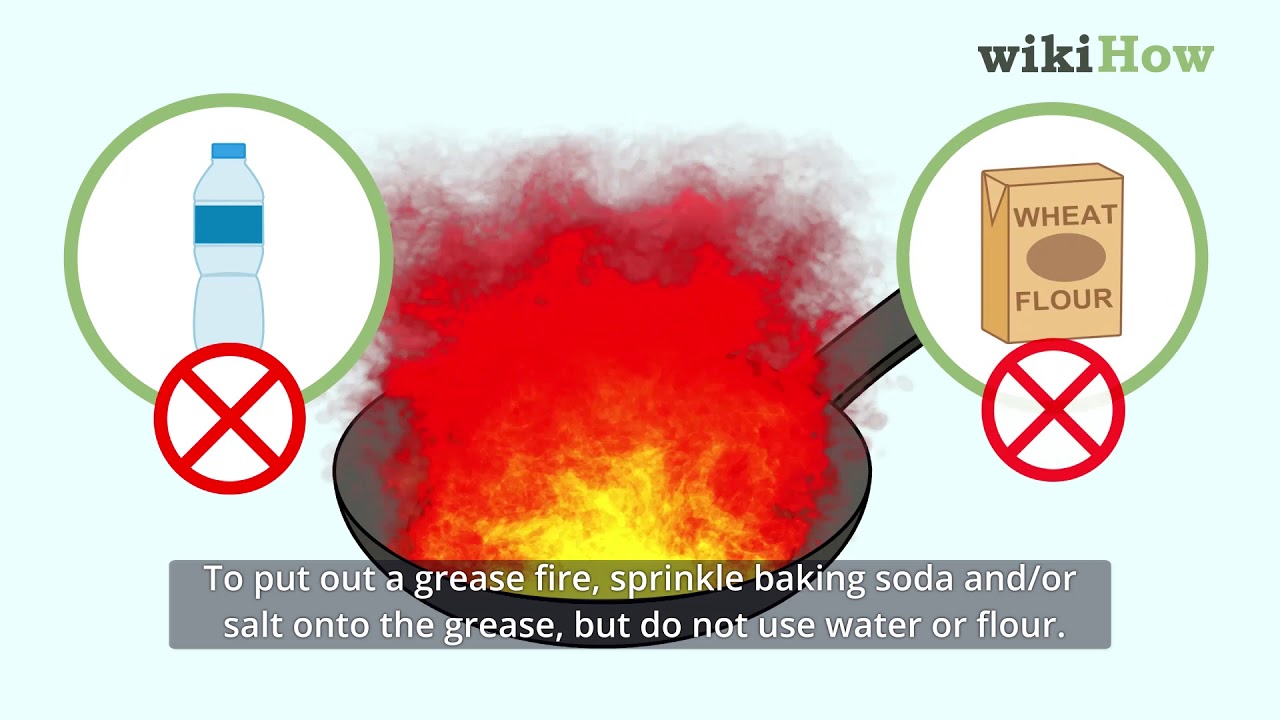
Using flour to put out a grease fire is about as effective as asking a mosquito to guard a picnic. In fact, it's worse. Much, much worse. It's like pouring gasoline on a bonfire while shouting "Surprise!"
Why, you ask? Because flour, my friends, is a carbohydrate. And when it's finely milled into a powder, it becomes highly combustible. Think about it: tiny, energetic particles just waiting for an excuse to party. And what better party starter than an open flame?

When you toss flour onto a grease fire, you’re not smothering it; you’re effectively creating a flour dust explosion! Yes, you read that right. Instead of putting out the fire, you're feeding it, making it bigger, angrier, and potentially sending a dramatic fireball soaring into your unsuspecting kitchen. Not exactly the culinary showstopper you were aiming for, is it?
Your Real Kitchen Superpowers: The Right Tools for the Job
So, if flour is a no-go (and trust me, it’s a big, blazing NO), what
First up: Baking Soda! Your Knight in Shining... White Powder.
This is your kitchen's undisputed champion against grease fires. Baking soda (sodium bicarbonate) releases carbon dioxide when heated, which helps smother the flames by cutting off their oxygen supply. It's safe, effective, and probably already chilling in your pantry. A generous amount is key!
Next: Salt! The Loyal Sidekick.
If you're out of baking soda, plain old table salt can also do the trick. Like baking soda, it works by smothering the fire. Just don't confuse it with sugar, which would, predictably, make things much, much worse. (Another kitchen no-no, just in case you were wondering!)
The Unsung Hero: A Lid!
Got a lid for that flaming pan? Excellent! Carefully slide it over the pan. This is perhaps the simplest and most effective method. No oxygen, no fire. Simple science, brilliantly applied! Just remember to let it cool down completely before peeking.
The Ultimate Backup: A Class K or ABC Fire Extinguisher.
For those truly dramatic flare-ups, a fire extinguisher specifically designed for kitchen fires (Class K) or an all-purpose (ABC) extinguisher is your best friend. Keep one easily accessible and know how to use it!

And a huge, flashing neon sign for what NOT to do: NEVER use water!
Water on a grease fire will cause the oil to splatter, spreading the fire and potentially giving you a severe burn. It's like the grease fire is a gremlin, and water makes it multiply and go berserk!
Beyond the Burn: Why Kitchen Wisdom is the Spice of Life!
You might be thinking, "Wow, that was a lot of talk about fire!" But here's the thing: knowing this stuff isn't just about safety (though that's super important!). It's about empowerment. It's about confidence.
Imagine walking into your kitchen, ready to whip up something amazing, knowing that you're prepared for anything. No more anxiety about what-ifs! That feeling of being in control, of understanding the science behind your cooking environment – it transforms your kitchen from a potential hazard zone into a playground of culinary creativity.

Learning little nuggets of practical wisdom like this makes life more fun because it frees you up. It turns potential panic into a moment of calm, assured action. You'll not only keep your kitchen safe, but you'll also impress your friends and family with your knowledge. "Oh, a grease fire? Don't worry, I got this!"
(Cue dramatic entrance with baking soda.)
So, the next time you're whipping up a storm, remember this vital lesson: keep the flour for your cookies and cakes, and keep the baking soda handy for those unexpected fiery moments.
Your kitchen is a place for joy, experimentation, and delicious discoveries. By arming yourself with a little know-how, you can banish the fear of the unknown and embrace every sizzle, sauté, and simmer with enthusiasm.
Go forth, cook with confidence, and let your culinary adventures shine – safely, of course!