Can You Use Distrokid For Podcasts
Ever wondered how your favorite musicians get their songs onto Spotify, Apple Music, and all those other streaming platforms? Chances are, they're using a distribution service like Distrokid. But wait a minute... We're here to talk about podcasts, right? So, can you use Distrokid for podcasts? That's the question we're diving into today. It might seem like a strange question at first, but the world of digital audio is blurring, and understanding your options is always a good thing.
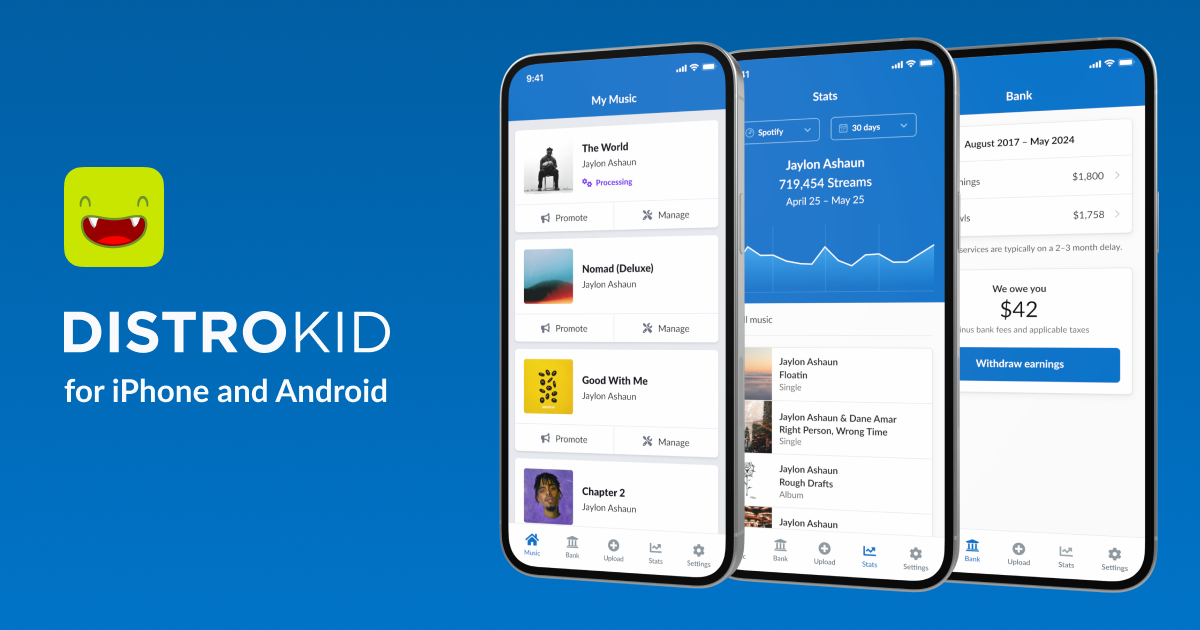
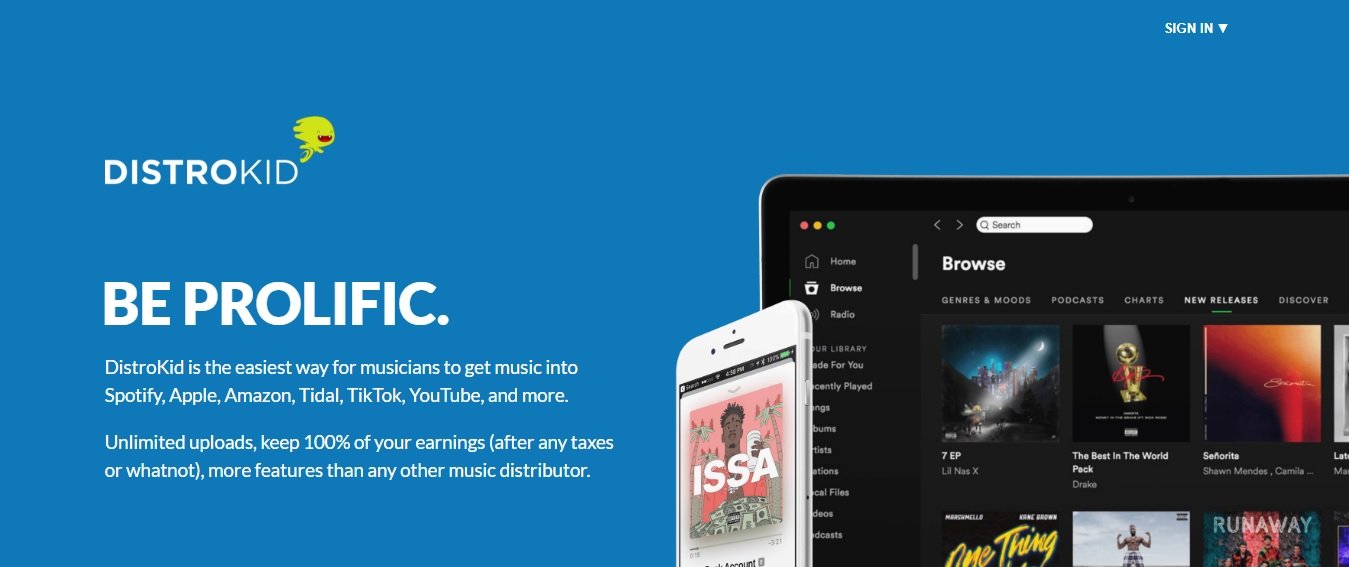
Distrokid, at its core, is a service designed to get your music out to the world. It acts as a middleman between you, the artist, and the various digital stores. You upload your music to Distrokid, pay a fee, and they handle the often-complex process of formatting your files and delivering them to platforms like Spotify, Apple Music, Amazon Music, and many more. The big benefit is simple: it saves you a ton of time and hassle. Trying to negotiate deals and meet the technical requirements of each platform individually would be a logistical nightmare.
Now, let's circle back to podcasts. While Distrokid is primarily designed for music, the core function – distributing audio content to various platforms – is something podcasts also need. However, and this is a big however, Distrokid isn't really designed for podcasts. Most podcast platforms, like Spotify, Apple Podcasts, Google Podcasts, and others, rely on RSS feeds to pull in new episodes. These RSS feeds contain information about your podcast, like the title, description, artwork, and the location of your audio files.
Must Read
Distrokid doesn't create or manage an RSS feed for you in the way a dedicated podcast hosting platform does. Therefore, it is typically not the ideal solution for getting your podcast out there. Think of it like trying to use a screwdriver to hammer a nail – you might be able to make it work, but there's a much better tool for the job. Dedicated podcast hosting services like Libsyn, Buzzsprout, Podbean, and Transistor are designed specifically to create and manage these RSS feeds, making the distribution process much smoother and more reliable. They also often provide analytics and monetization tools specifically tailored for podcasters.
While directly using Distrokid for podcasts might not be the best approach, there might be edge cases where it could be considered. For instance, if you're creating a hybrid audio project that blends music and spoken word in a way that blurs the lines between traditional music and podcasting, you might explore Distrokid as an option. However, even in those situations, you'd likely want to carefully consider your audience and where they're most likely to discover your content.
So, how can you explore this further? The best way is to simply compare the features and pricing of Distrokid versus dedicated podcast hosting platforms. Look at the services each offers regarding RSS feed management, analytics, monetization, and ease of use. Most podcast hosting services offer free trials, so you can experiment and see which one best fits your needs. Remember, the goal is to find the tool that makes the distribution process as efficient and effective as possible, allowing you to focus on creating great content! Don't be afraid to experiment and find what works best for you.