
Can You Use Alkaline Batteries Instead Of Lithium
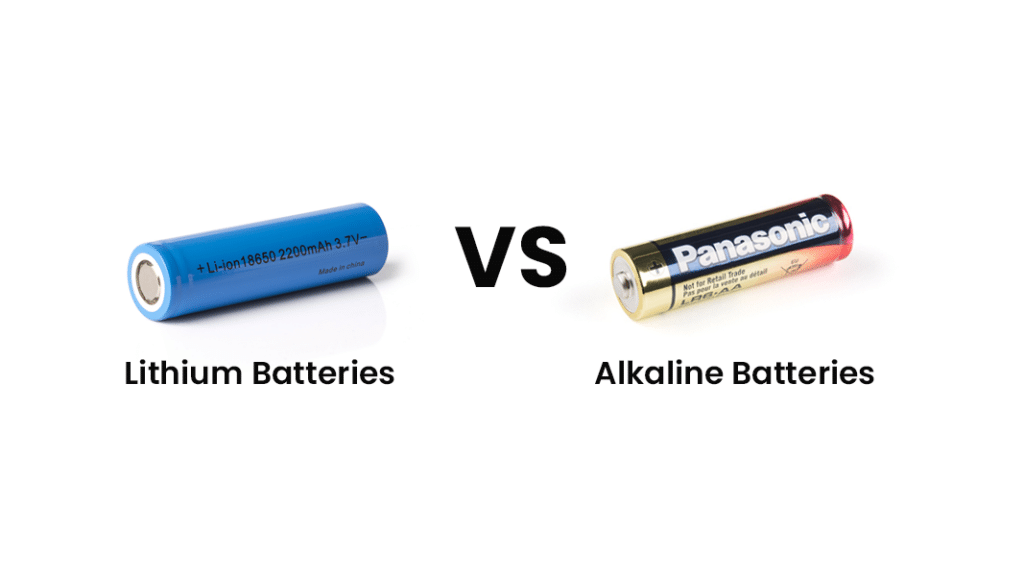
Okay, let's talk batteries. We've all been there, staring blankly at the back of a gadget, realizing we're fresh out of the exact battery it needs. The horror! Today, the burning question: Can we just swap in those trusty, dusty alkaline batteries instead of those fancy-pants lithium ones?
I'm going to go out on a limb here and say... maybe. Hear me out!
The Obvious Answer (and Why It's Boring)
Everyone (including the instruction manual) will tell you a firm "NO." "Don't do it!" they cry. "Your device will explode!" Okay, maybe not explode, but they'll definitely warn you about reduced performance, potential damage, and the general apocalypse. Blah, blah, blah.
Must Read
And yes, technically, they’re right. Lithium batteries generally pack more punch. They're lighter, last longer, and handle extreme temperatures better. They are the prom queens of the battery world. Alkaline batteries? More like the reliable, slightly dorky friend.
My (Slightly Reckless) Take
But let's be real. We’re talking about everyday gadgets here. Not pacemakers or NASA launch systems. (If you're powering either of those, definitely stick to lithium.) We're talking about remote controls, kids' toys, maybe even a flashlight. Things that, frankly, aren't worth a second mortgage for specialized batteries.
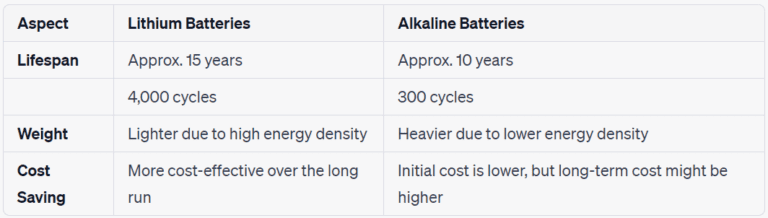
Think about it. How often have you actually noticed a massive difference using one over the other in a TV remote? Sure, the lithium might last longer, but does the remote suddenly become useless with an alkaline in there? Usually not! In fact, sometimes, I almost prefer the slightly slower, less-intense response of an alkaline in a super-sensitive remote. Keeps me from accidentally fast-forwarding through the whole movie!
Of course, there are exceptions. High-drain devices like digital cameras (the ones that are not your phone) and some power-hungry toys really benefit from the consistent voltage of lithium. But for low-power situations? I’m Team Alkaline.
The Grandparent Rule
I like to apply what I call "The Grandparent Rule." Would my grandmother be able to tell the difference? If the answer is no, then it's probably safe to substitute. Unless your grandma is secretly a battery expert. In that case, listen to her.

My grandmother is a wiz with a crochet hook, but not batteries. So the principle applies!
Proceed With Caution (and Maybe a Fire Extinguisher... Just Kidding!)
Okay, disclaimer time! I'm not advocating for reckless battery swapping anarchy. Always check the voltage requirements of your device. If it specifically says "Lithium ONLY," then, you know, maybe listen. Especially for rechargeable devices. Mixing battery types in rechargeable setups is a recipe for disaster, possibly even the fiery kind they warned you about. I'm thinking really bad for Nickel Metal Hydride batteries.
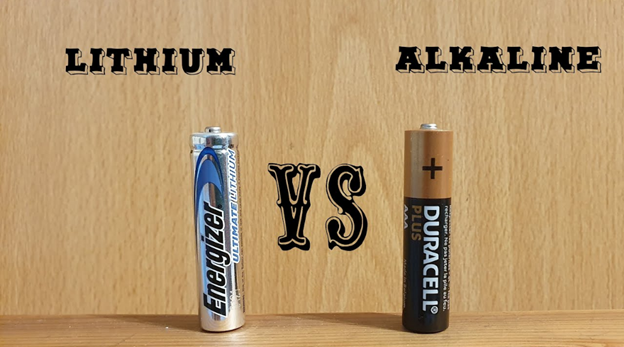
And please, for the love of electricity, make sure you're inserting the batteries correctly! Positive to positive, negative to negative. We're aiming for function, not fireworks.
The Unpopular Opinion Verdict
So, can you use alkaline batteries instead of lithium? In a pinch, for low-drain devices? Maybe. Probably. I've done it countless times, and my house hasn't burned down yet (knock on wood). But proceed with a healthy dose of common sense, a dash of caution, and a willingness to accept slightly shorter battery life.
And if your device does spontaneously combust? Well, don't say I didn't warn you... Sort of.
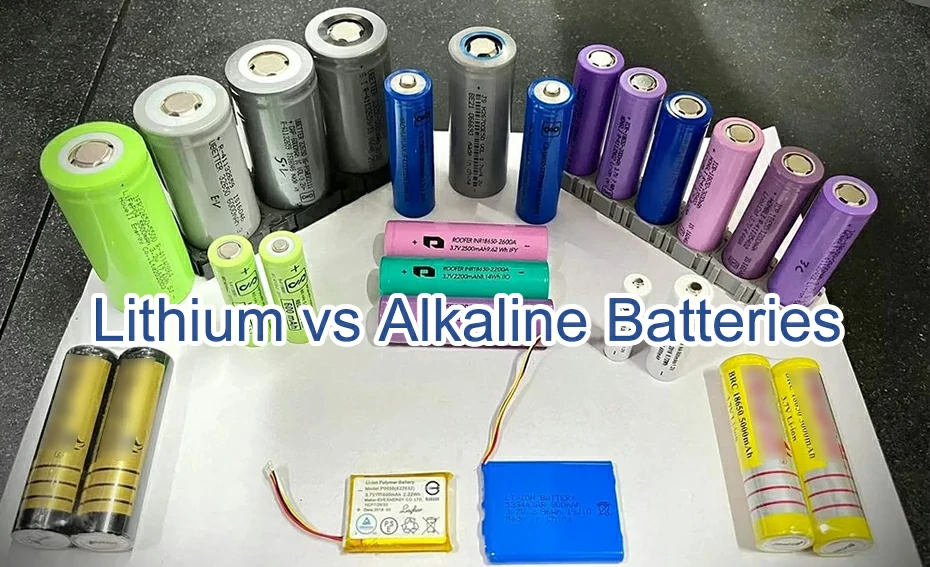
Besides, think of the money you'll save! You can use the extra cash for something really important... like more gadgets that need batteries. The cycle continues!
A Final Thought
Ultimately, the choice is yours. But next time you're faced with the Great Battery Dilemma, remember this: sometimes, good enough is good enough. And sometimes, an alkaline battery is just good enough. At least until you can finally find that elusive lithium battery hiding in the back of your junk drawer. Happy powering!
If you are unsure about the batteries and think the device is precious, you should purchase the proper batteries. If you are sure, however, that you are willing to sacrifice the quality of the device, then give it a try.