
Can You Take Two Probiotics At Once

Alright, gather 'round, folks! Let's talk probiotics. Specifically, the burning question that keeps scientists (and maybe just me at 3 AM) awake at night: Can you double down? Can you take two probiotics at once? It's like asking if you can wear two hats – fashionable? Maybe. Recommended? It depends on the hats… and your gut.
The Gut: A Tiny Universe of Bacteria (Mostly Friendly!)
First, a quick biology refresher. Your gut is basically a bustling metropolis for bacteria. Think of it as New York City, but instead of pigeons and hot dog vendors, you've got billions of microorganisms, some good (the probiotics, our heroes!), some neutral, and some… well, let's just say they're not invited to the party. These little guys are responsible for everything from digesting your food to bolstering your immune system. Pretty impressive, right?
So, probiotics are live microorganisms that, when administered in adequate amounts, confer a health benefit on the host (that's you!). They're like reinforcements for your gut army, helping the good guys keep the bad guys in check. They're often touted for improving digestion, reducing bloating, and even boosting your mood. You know, because happy gut, happy life. It's science!
Must Read
The Two Probiotic Tango: Is It a Dance or a Disaster?
Now, back to our original question. Can you take two different probiotic supplements at the same time? The short answer is: maybe. The slightly longer, more responsible, and infinitely less entertaining answer is: it depends. Imagine you're hosting a dinner party. Inviting two separate groups of people with wildly different tastes? Could work brilliantly! Could end in a heated debate over the merits of pineapple on pizza. Same principle applies to your gut.
Here's why it gets complicated. Probiotics aren't all created equal. They come in different strains, each with its own unique skillset. Lactobacillus acidophilus, for example, might be a whiz at breaking down lactose, while Bifidobacterium longum could be your go-to for reducing inflammation. Taking two probiotics with the same strains? Probably not a big deal (though potentially redundant). Taking two probiotics with completely different strains? Now we're talking.
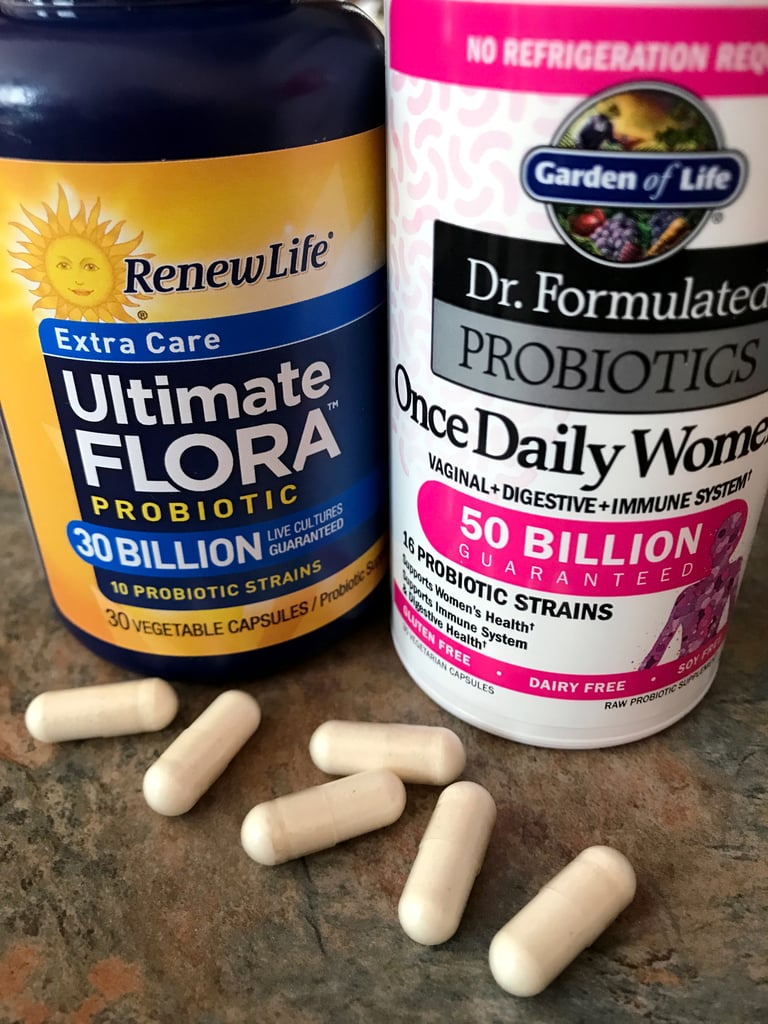
Think of it like this: one probiotic might be a rockstar guitar player and the other a virtuoso violinist. Put them together, and you could have an amazing jam session. Or, you could have a cacophony of noise that makes your ears bleed… or, in this case, makes your stomach rumble in protest. The key is to understand what each probiotic is designed to do and whether they’ll play well together.
Important! Always consult with your doctor or a registered dietitian before starting any new supplement regimen, especially if you have underlying health conditions. They can assess your individual needs and recommend the right probiotics for you. I’m just a random voice on the internet dispensing (hopefully) amusing information. I can't give medical advice, but I can recommend a good brand of pickles.

Potential Benefits (and the Occasional Belly Rumbles)
The potential upside of taking two different probiotics at once is that you could get a wider range of benefits. One might target your digestive health, while the other focuses on your immune system. It's like having a superhero team working inside your gut!
However (there's always a "however," isn't there?), there are potential downsides too. You might experience side effects like gas, bloating, or even diarrhea. These are usually temporary and mild, but nobody wants to spend the afternoon glued to the porcelain throne. And in rare cases, taking too many probiotics can actually disrupt the delicate balance of your gut microbiome, leading to more problems than it solves.

It’s a numbers game, sure, but it's also about species. Adding too much anything to an established ecosystem can cause problems. Did you know there's a species of jellyfish that's basically immortal? If only our gut bacteria could be that resilient.
The Verdict: Proceed with Caution (and Maybe a Little Humor)
So, can you take two probiotics at once? The answer, as with most things in life, is: it's complicated. It really depends on your individual needs, the specific probiotics you're taking, and your overall health. I always say, if you're unsure, err on the side of caution. Start with one probiotic and see how your body reacts. If you're feeling good, you can consider adding another one, but do it gradually and under the guidance of a healthcare professional.

And remember, don't believe everything you read on the internet (especially if it's coming from a talking penguin). Do your research, consult with your doctor, and listen to your gut (literally and figuratively!). After all, your gut is like a finely tuned orchestra. You don't want to throw a wrench in the works and end up with a symphony of stomach grumbles.
Now, if you’ll excuse me, I’m going to go eat some yogurt. For science!
Disclaimer: I am not a medical professional. This article is for informational and entertainment purposes only and should not be considered medical advice. Always consult with a qualified healthcare provider before making any decisions about your health or treatment.