Can You Print A 3d Printer With A 3d Printer
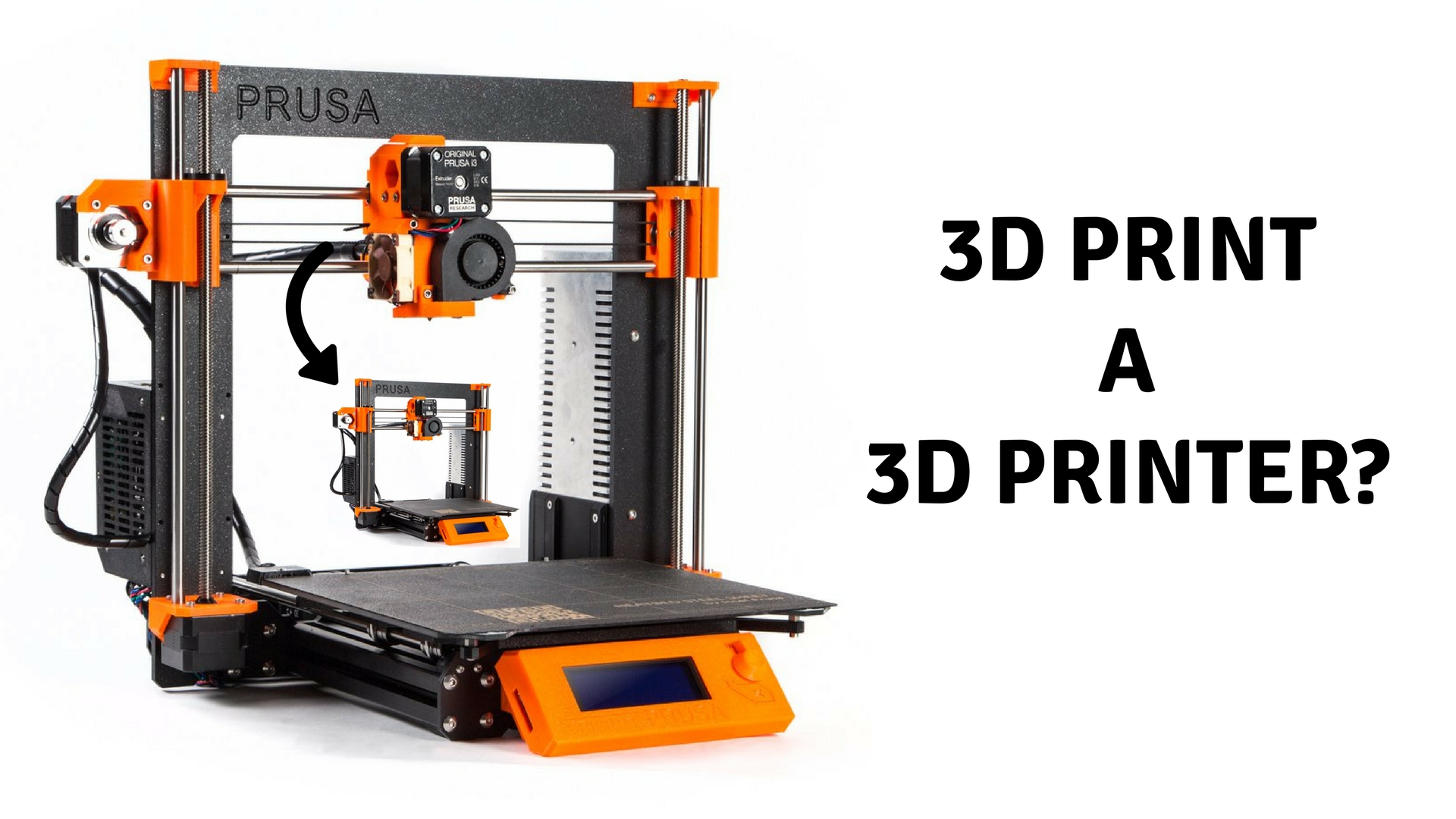
So, picture this: I'm sitting in my favorite café, nursing a latte that's probably 90% foam and 10% actual coffee (thanks, Brenda!), and I overhear this conversation that just screams existential crisis meets tech geekery. One guy, bless his cotton socks, is passionately asking, "Can you...can you actually 3D print a 3D printer...with a 3D printer?!"
Honestly, I almost choked on my foamy beverage. The sheer audacity of the question! It's like asking if a dog can give birth to a robot that can then build a doghouse for the original dog. It's… complicated.
Theoretically, Yes! (Kind Of…)
Okay, let's break this down. The short answer is: yes, theoretically you can. But the long answer? Oh boy, buckle up, because we're about to dive into a rabbit hole deeper than my student loan debt.
Must Read
The idea is based on the concept of a replicating rapid prototyper, or RepRap for short. This is the brain child of Dr. Adrian Bowyer, a brilliant engineer who thought, “Hey, why buy a 3D printer when I can just… print one!” The goal of the RepRap project was to create a 3D printer that could print most of its own parts. Think of it as the robot uprising, but with less world domination and more slightly wobbly plastic doohickeys.
Now, here's the catch (and there's always a catch, isn't there?): a 3D printer is more than just plastic bits and bobs. It has motors, electronics, a heated bed, and enough wiring to make a spaghetti monster blush. These parts, sadly, can't be 3D printed. At least not yet. I'm holding out hope for a future where I can 3D print myself a new motherboard, but we're not there yet, folks.
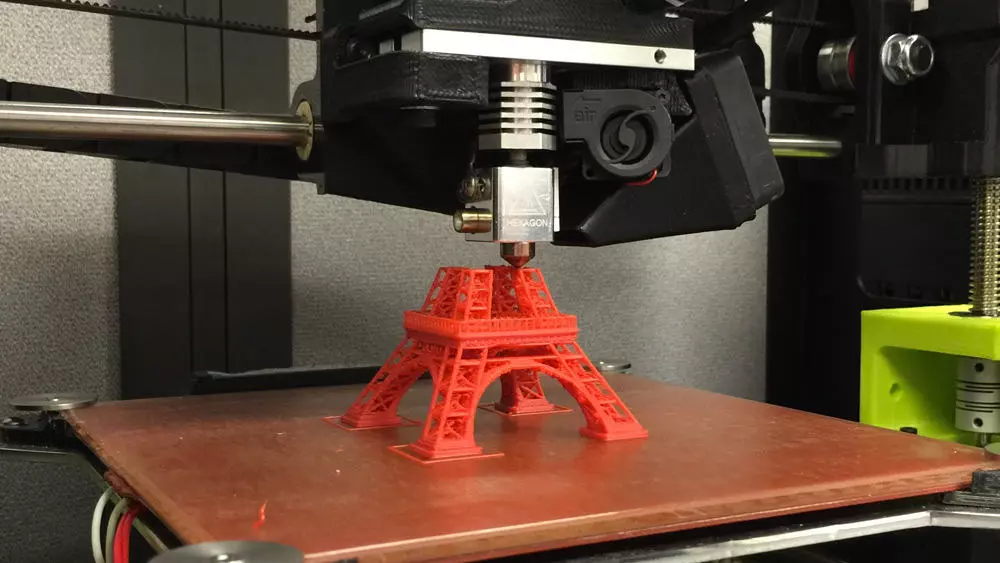
So, a 3D printer can print the plastic frame, gears, and other structural components of another 3D printer. That’s pretty mind-blowing, right?
Think of it like this: you can bake a cake, but you can't bake the oven that baked the cake. You still need to buy the oven from, you know, an oven store. Unless someone figures out how to 3D print ovens. In that case, call me!
The Practicality Factor: It's Complicated (Again!)
Even if you can print the printable parts, there are a few practical considerations. First, the 3D printer you're using to print the new 3D printer needs to be pretty darn good. If your printer is churning out wobbly, inconsistent parts, your "child" printer is going to be even worse. It's like a game of telephone, but with plastic and disappointment.
Second, you'll need to source all those non-printable components. Finding the right motors, electronics, and other bits and bobs can be a real pain in the neck. You might end up spending more time and money sourcing parts than you would just buying a new printer.
And finally, assembly. Let's be honest, most of us struggle to assemble IKEA furniture. Assembling a 3D printer from a pile of 3D printed parts and a bag of random electronics is a whole other level of DIY hell. You'll need patience, a steady hand, and possibly a therapist on speed dial.
So, Should You Try It?
That depends. Are you a masochist with a penchant for complex engineering projects and a healthy disregard for your own sanity? If so, go for it! It could be a fascinating and rewarding experience. You'll learn a lot about 3D printing, electronics, and the limits of your own patience.
However, if you just want a reliable 3D printer to print cool stuff, you're probably better off just buying one. Trust me, your sanity (and your latte budget) will thank you.
In conclusion: Yes, you can 3D print a 3D printer, sort of. But it's probably more trouble than it's worth. Now, if you'll excuse me, I'm going to go 3D print a tiny Yoda head. Because why not?