Can You Plug Surge Protectors Into Each Other
Let's talk about something surprisingly electrifying (pun intended!): plugging surge protectors into each other. It might seem like a simple way to get more outlets, but is it a bright idea, or a recipe for disaster? The truth is a little more nuanced, and understanding it can save you from fried electronics and potential fire hazards. After all, who doesn't love the peace of mind that comes with knowing their gadgets are safe?
Why do we even use surge protectors? For beginners, the concept is simple: surge protectors shield your valuable electronics from power surges – sudden spikes in voltage that can damage or destroy sensitive components. Think of it like a tiny electrical bouncer, keeping the bad stuff out. For families with lots of devices – phones, tablets, TVs, game consoles – a surge protector is a must-have to protect your investment from unexpected power fluctuations. Hobbyists, like those with home studios filled with computers and musical equipment, rely on them even more, as sensitive equipment can be easily damaged by even small surges.
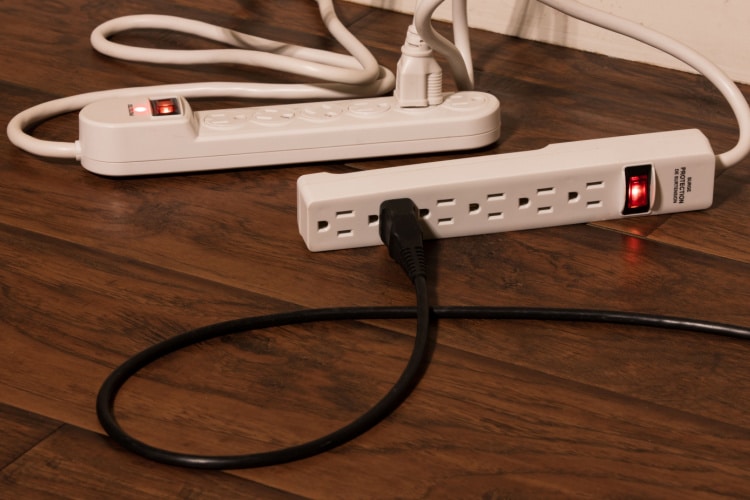
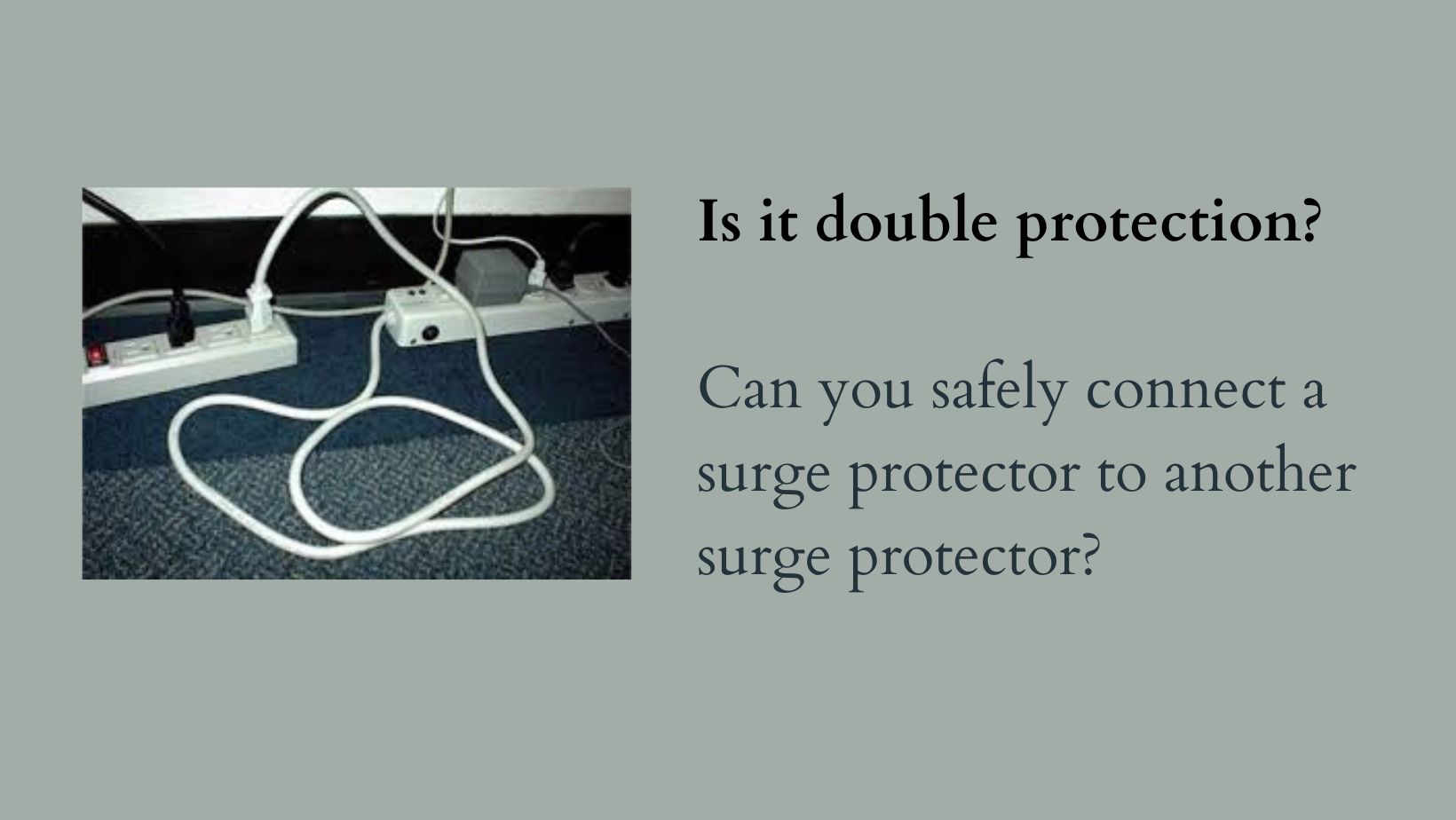
Now, about plugging surge protectors into each other – this is often called "daisy-chaining." The general consensus is: don't do it. Why? Because it's easy to overload the circuit. Every surge protector has a maximum amount of electricity it can handle, measured in joules. When you daisy-chain, you're essentially increasing the risk of exceeding that limit. Imagine it like this: your home's electrical panel is a water pipe, and your devices are trying to drink from it. A surge protector is a filter on that pipe. Adding too many surge protectors in a line is like adding too many restrictions; eventually, something might burst. Think of each surge protector having a limited capacity, and you're effectively trying to make it do more than it's designed to handle.
Must Read
There's a variation on this, though: power strips that don't have surge protection. These are essentially just extension cords with multiple outlets. Plugging a non-surge-protecting power strip into a surge protector is generally safer than daisy-chaining actual surge protectors. However, you still need to be mindful of the total power draw of all the devices plugged into both the power strip and the surge protector. Again, exceeding the amp rating of the surge protector or the wall outlet is a no-no.
Practical Tips for Getting Started (and Staying Safe):
- Know your limits: Check the amp rating on your surge protector and wall outlet. Don't exceed it.
- Less is more: Avoid daisy-chaining surge protectors. If you need more outlets, consider using a single, high-quality surge protector with enough capacity.
- Consider a power conditioner: For very sensitive equipment, like high-end audio gear, a power conditioner offers even greater protection and power filtering than a standard surge protector.
- Inspect Regularly: Check your surge protectors for damage or wear. If they've taken a hit (like after a power surge), it's best to replace them.
Ultimately, protecting your electronics is about being informed and taking sensible precautions. While the idea of endless outlets might be tempting, prioritize safety and avoid daisy-chaining surge protectors. A little knowledge goes a long way in ensuring your devices (and your home) stay safe and sound, so that you can enjoy their benefits without worry.