
Can You Get Struck By Lightning Through A Window
Alright, picture this: it’s a stormy afternoon. Rain is hammering down, thunder is rumbling like a grumpy giant, and streaks of lightning are slicing through the dark sky. You’re inside, cozy, maybe sipping a cup of tea, watching the drama unfold from your window. You feel pretty safe, right?
But then, a little thought might pop into your head: “Could lightning actually strike me through this window?” It's one of those questions that sounds a bit silly at first, like asking if a fish could drown. But when you really think about it, with lightning being so incredibly powerful, it's actually a pretty cool and curious thing to wonder about!
The Big Zap: Can It Just Punch Through Glass?
Let's get straight to the point. When we talk about lightning directly striking you through the glass of a window, like a superhero blast ripping through a wall… well, that’s where things get a bit tricky and, frankly, extremely unlikely. Think of lightning as a super-fast, super-hot electrical current looking for the easiest path from the sky to the ground. It’s not particularly interested in making a grand entrance through your living room window just to zap your houseplant.
Must Read
Why not? Because glass, my friends, is a pretty decent insulator. It doesn't conduct electricity very well at all. Imagine trying to get a super-fast runner to go through a thick, sticky mud pit when there’s a perfectly paved road right next to it. Which path do you think they're taking? The lightning is looking for that paved road – a good conductor like metal, water, or even a tall, wet tree.
So, could lightning shatter a window? Absolutely! The immense heat and explosive pressure from a nearby strike could easily turn your pane of glass into a thousand tiny pieces. But for that lightning bolt to specifically decide, "Yep, I'm going to travel through this insulating glass and then through that empty space to get to that human inside," is a bit like expecting a chef to use a spoon to cut down a tree when they have an axe nearby. It just doesn't make logical sense for lightning's path of least resistance.

Where the "Window Danger" Actually Hides: The Indirect Route
Now, while a direct "through-the-glass-to-your-body" strike is almost cinematic fiction, this is where it gets interesting. The real danger near windows during a lightning storm isn't necessarily the glass itself, but everything around and connected to the window. Lightning is like a curious, chaotic toddler – if it can't get what it wants one way, it'll find another, often unexpected, route.
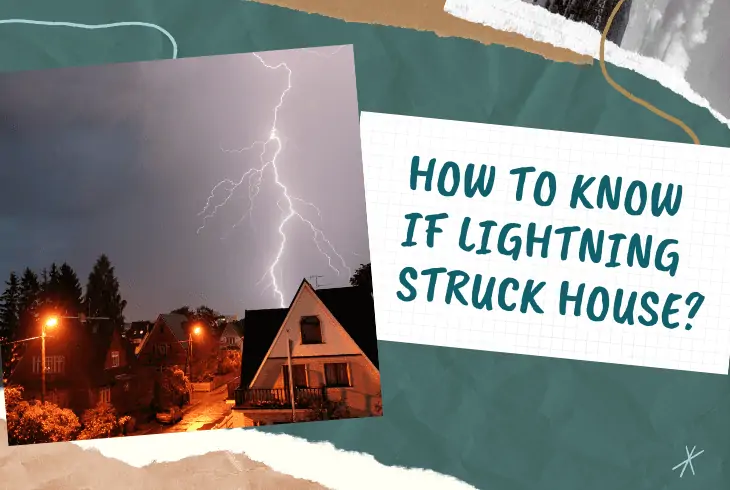
This is where we talk about side flash. Imagine lightning strikes a tall tree right outside your window. That massive electrical charge suddenly has nowhere to go but down. But if there's a more appealing conductor nearby – like, say, your metal window frame, a power line running near the wall, or even your plumbing pipes – that lightning can decide to "jump" or "side flash" from the tree to that conductor. And if you happen to be touching that conductor… zap!
Think of it like a really powerful sneeze. The sneeze itself might be aimed generally forward, but some particles inevitably fly off to the side, potentially hitting someone standing nearby. Lightning's side flash works similarly. It can jump several feet through the air to find a better path to the ground.
What are the Sneaky Conductors to Watch Out For?
- Metal Window Frames: Especially in older homes, or certain modern designs, metal frames can be excellent conductors.
- Electrical Wiring: There's usually wiring running through walls, often near windows.
- Plumbing Pipes: If your bathroom or kitchen is near a window, those water pipes are great conductors.
- Phone Lines/Ethernet Cables: Any wired connection can be a lightning highway.
- You! Yep, unfortunately, we fleshy humans are pretty good conductors of electricity.
So, while the lightning isn't trying to blast through the glass to get you, it might hit a tree, then side-flash to your metal window frame, and if you’re leaning against it, you could be in for a very bad time. Or, it could hit the wall next to the window, and the current travels through the wall to the internal wiring, frying anything plugged in nearby, or even igniting a fire. It’s less "through the glass" and more "around the glass and through something connected."
The Explosive Reality: Not Just Zaps, But Shrapnel!
Beyond the electrical shock, there's another dramatic effect to consider: the sheer force of a lightning strike. If lightning hits something really close to your window – like a flagpole, a lamppost, or even the wall itself – the sudden, explosive expansion of air and superheating of materials can create significant hazards.
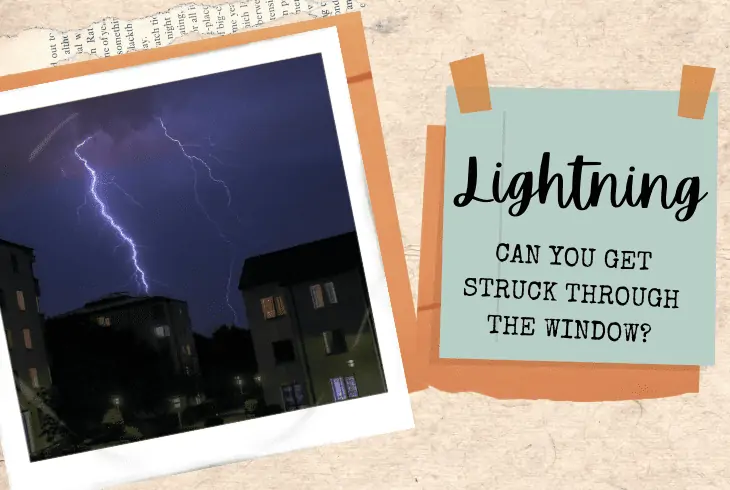
Imagine a giant firecracker going off right outside your window. The concussive force alone can blow out windows, sending glass shards flying. If the lightning hits a brick wall, pieces of brick can become dangerous projectiles. While the lightning itself might not come through the window, the effects of its power certainly can.
And let's not forget the electromagnetic pulse (EMP). Even if lightning doesn't directly hit your house, a powerful nearby strike can generate an EMP that can travel through the air and fry sensitive electronics – your computer, TV, gaming console – without even touching them. It's like a ghost in the machine, but a very real and destructive one.
So, What's the Takeaway? Stay Chill, But Be Smart!
The good news is that being directly struck by lightning through a window, in the literal sense of the bolt passing through the glass to hit you, is incredibly rare. You're far more likely to win the lottery while simultaneously being eaten by a shark (okay, maybe not that rare, but you get the idea!).

However, the indirect dangers are very real. Lightning is incredibly powerful and unpredictable. It will always find the easiest path to ground, and if that path involves jumping from a nearby object to something conductive connected to or near your window, then yes, you could be at risk.
So, next time a storm rolls in and you're enjoying the spectacle from indoors, feel safe, but also be smart. Give those windows a bit of respectful distance, especially if they have metal frames or if you know there are lots of wires and pipes nearby. Unplug your precious electronics. And maybe avoid taking a shower during a really intense storm (water pipes are excellent conductors!).
Lightning is an astonishing display of nature's raw power. Understanding how it works, even in a relaxed, curious way, helps us appreciate its majesty while also knowing how to stay safe from its truly electrifying wrath. Stay curious, stay safe!