Can You Get Co Poisoning From A Wood Stove
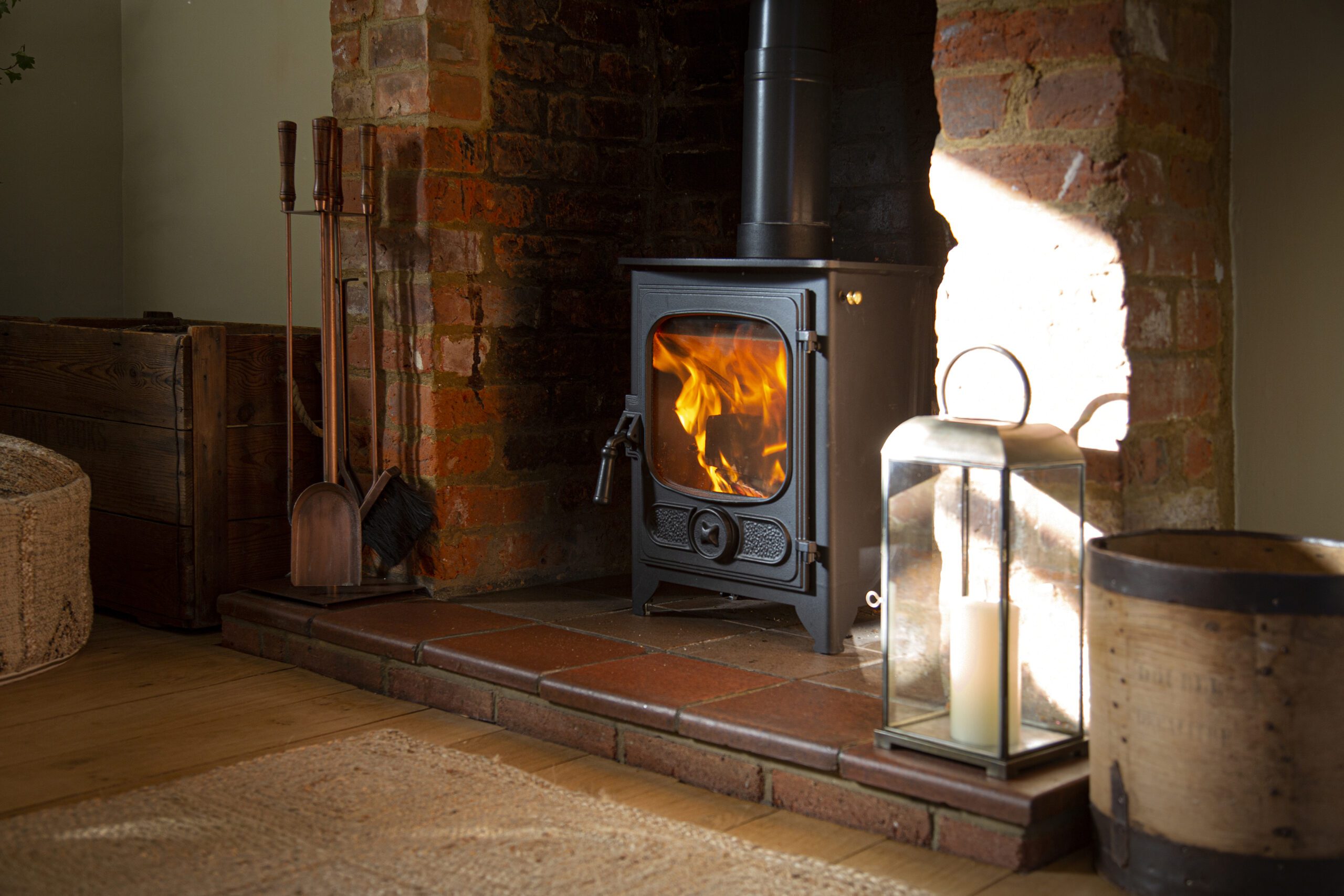
There's something incredibly comforting about a wood stove, isn't there? The crackle of burning logs, the radiant warmth on a chilly day, the mesmerizing dance of flames behind the glass. It's a primal, cozy feeling that transports us to simpler times. But have you ever paused amidst that idyllic scene and wondered about the unseen aspects of burning wood indoors? Specifically, can you get carbon monoxide (CO) poisoning from a wood stove? It's a fascinating question, and understanding the answer isn't just about safety; it’s about becoming a more informed and empowered homeowner or even just a guest enjoying a friend's cabin.
The purpose of diving into this topic isn't to create fear, but rather to foster a healthy respect for the power of combustion and the gases it produces. The benefit of learning about CO and wood stoves is profound: it equips you with the knowledge to safeguard your home and loved ones. Knowing the "hows" and "whys" behind potential risks transforms vague worry into concrete action. It empowers you to enjoy the benefits of a wood stove without unnecessary anxiety, creating a truly peaceful environment. Think of it as gaining a little bit of scientific superpower, allowing you to see the invisible and understand the chemistry happening right in your living room.
This knowledge isn't just theoretical; it has real-world applications in education and daily life. In schools, learning about combustion and its byproducts can be a great way to introduce basic chemistry and physics in an engaging, relevant context. For adults, this understanding is vital for responsible home management. If you own a wood stove, a fireplace, or even a gas furnace, you're interacting with combustion daily. Knowing how CO is produced, how it behaves, and critically, how to prevent its accumulation, is as important as knowing how to maintain your car or care for your garden. It’s a core component of being a savvy and safe resident, whether you're building a new home, renting an old cabin, or simply visiting friends who rely on wood for heat.
Must Read
So, how can you explore this topic in a practical way? The most crucial step is installing carbon monoxide detectors in your home, especially near sleeping areas and on every level. These devices are your invisible guardians, silently monitoring the air and alerting you to danger long before you'd ever feel symptoms. Make sure to test them regularly, just like smoke detectors. Another simple but vital tip is ensuring your wood stove and chimney are properly installed and maintained. This means regular inspections and cleanings by a certified professional to prevent creosote buildup and ensure proper ventilation. Always burn dry, seasoned wood, as wet or green wood produces more smoke and can contribute to CO. Finally, be aware of the symptoms of CO poisoning – headache, dizziness, nausea, and confusion – and if you suspect CO, get fresh air immediately and call for help. These simple explorations aren't just tips; they're your best defense against a silent threat, allowing you to enjoy the warmth of your wood stove with ultimate peace of mind.