Can You Get Carbon Monoxide Poisoning From A Electric Heater

Picture this: It's a chilly evening, you're curled up on the sofa, and your trusty electric heater is humming away, keeping you perfectly toasty. A comforting thought, right? But then a little voice in the back of your head pipes up: "Wait, can this thing give me carbon monoxide poisoning?" It's a surprisingly common question, and one that often sparks a bit of confusion, especially when we hear so much about general heater safety. Let's tackle this head-on and clear up any lingering worries, so you can enjoy your warmth with complete peace of mind. Our mission today is to bust a common myth and ensure you understand exactly how your electric heater works, and what real safety measures you should be taking.
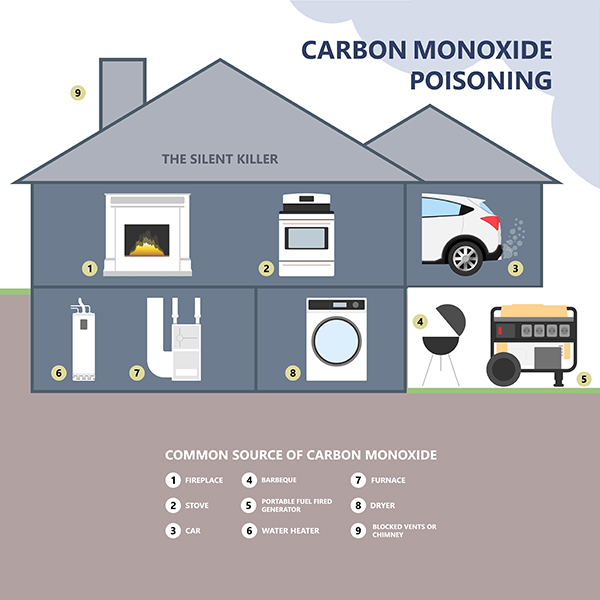
So, straight to the point: Can an electric heater give you carbon monoxide poisoning? The answer, my friends, is a resounding NO. And that's fantastic news! Here's the simple science behind it: Carbon monoxide (CO) is a gas produced when fuels like natural gas, propane, wood, oil, or kerosene are burned incompletely. It's a byproduct of combustion. Think of your car's exhaust, a gas stove, a fireplace, or a gas furnace – these all burn fuel to create heat, and if not properly ventilated, they can produce CO.
Now, what does an electric heater do? It doesn't burn anything! It uses electricity to heat a component (like a metal coil or ceramic plate), which then radiates that heat into your room. There's no flame, no fuel combustion, and absolutely no carbon monoxide produced. So, if you're solely relying on an electric space heater to warm up, you can breathe easy – literally – knowing that CO poisoning isn't a threat from that specific appliance.
Must Read
While CO isn't a concern, that doesn't mean electric heaters are entirely without their own safety considerations. It's crucial to understand their real risks to stay truly safe. The main dangers associated with electric heaters are electrical fires. These can happen if the heater is placed too close to flammable materials like curtains, bedding, or furniture, if it's plugged into an overloaded circuit, or if the unit itself is faulty or old. Always make sure your heater is on a stable, level surface, at least three feet away from anything combustible. Never use an extension cord with a high-wattage heater, and always plug it directly into a wall outlet. And, of course, turn it off when you leave the room or go to sleep.
So, while your electric heater gets a clean bill of health on the CO front, it's a fantastic reminder about carbon monoxide safety in general. If your home has any fuel-burning appliances – a gas furnace, a water heater, a fireplace, a gas stove, or even an attached garage where a car might idle – then a working carbon monoxide detector is absolutely essential. These little devices are truly lifesavers, alerting you to the presence of this silent, odorless, and invisible killer. Install them near sleeping areas and on every level of your home, and remember to test them regularly, just like smoke detectors. So, enjoy your electric heater's warmth, confident that it's not a CO threat, but always be vigilant about CO safety if you have other potential sources in your home!