Can You Eat Pizza With Diverticulitis
Let's be honest, who doesn't love pizza? It's the go-to comfort food, the star of every party, and a guaranteed crowd-pleaser. But what happens when your gut throws a curveball? If you've been diagnosed with diverticulitis, you're likely asking yourself the big question: Can I still enjoy a slice of pizza heaven? This article dives into the delicious (and sometimes confusing) world of diverticulitis and pizza, helping you navigate your diet with confidence and, hopefully, a slice in hand.
The purpose of this article is simple: to provide clear, easy-to-understand information about eating pizza when you have diverticulitis. We'll explore what diverticulitis is, how diet plays a role, and whether pizza is a definite no-no or a possible indulgence. The benefit? Empowering you to make informed choices about your food and manage your diverticulitis symptoms effectively, all while keeping your love for pizza alive (if possible!).
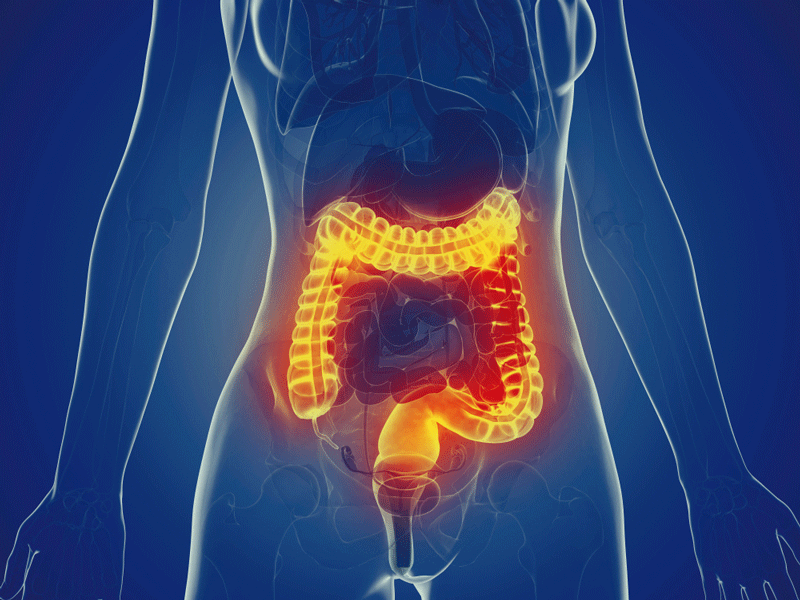
First things first: what exactly is diverticulitis? Imagine tiny pouches, called diverticula, forming in the lining of your colon. When these pouches become inflamed or infected, that's diverticulitis. Symptoms can range from abdominal pain and cramping to fever and nausea. A flare-up can be incredibly uncomfortable, and managing your diet is a key part of preventing them.
Must Read
So, where does pizza fit into this picture? The traditional wisdom used to be that people with diverticulitis should avoid foods like nuts, seeds, and popcorn, fearing they could get trapped in the diverticula and cause inflammation. However, newer research suggests that these foods aren't necessarily the villains we once thought they were. Still, many doctors recommend avoiding these foods during an active flare-up.
Now, back to pizza. The good news is, pizza isn't automatically off-limits! However, the type of pizza you choose can make a big difference. Think about the ingredients. A pizza loaded with high-fat meats, tons of cheese, and potentially inflammatory ingredients like processed pepperoni might be problematic, especially during a flare-up. A pizza with a thick crust, a lot of cheese and sausage can take a while to digest, which could exacerbate symptoms in some individuals.
However, a carefully chosen pizza might be okay. Consider these tips:
- Go for a thin crust: It's easier to digest.
- Choose leaner toppings: Opt for grilled chicken, vegetables (cooked well), or lean ham.
- Moderate the cheese: Less cheese means less fat.
- Avoid nuts and seeds: Even though they may not be as problematic as previously thought, it's best to be cautious, especially during a flare-up.
- Listen to your body: This is the most important advice. Pay attention to how you feel after eating pizza. If it triggers symptoms, it's best to avoid it.
Ultimately, whether you can eat pizza with diverticulitis is a personal decision. It depends on the severity of your condition, your individual tolerance, and the ingredients in your pizza. Always consult with your doctor or a registered dietitian for personalized dietary advice. They can help you develop a meal plan that manages your diverticulitis effectively while still allowing you to enjoy some of your favorite foods, maybe even a modified slice of pizza now and then! Remember, knowledge is power, and knowing your body is even more powerful. Enjoy your food, and take care of your gut!