
Can You Connect Two Rolls Of Filament Together
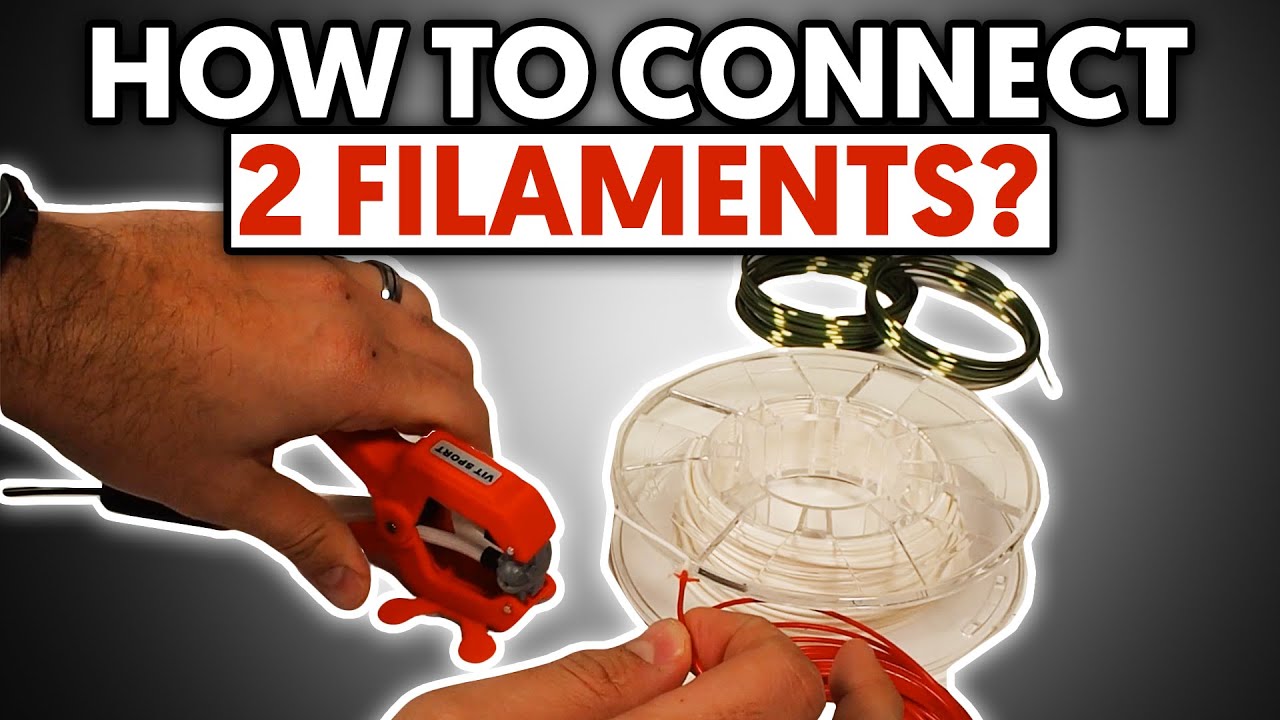
Hey there, fellow 3D printing enthusiast! Ever stare forlornly at those nearly-empty filament rolls? I know I have. The question pops into your head: Can you Frankenstein two rolls together? Let's dive into this wonderfully weird world!
The Burning Question: Can You Do It?
The short answer? Yes! Kinda. Sorta. It's like asking if you can juggle chainsaws. Technically possible, but maybe not the best idea for beginners. But hey, who doesn't love a challenge?
But seriously, joining filament is totally doable. The real question is how, and how well. And whether the headache is worth it. We'll get there.
Must Read
Methods of Filament Fusion: A Whimsical Overview
Okay, so you're committed. Let's explore the wild west of filament joining techniques! Each one has its quirks and drawbacks. Think of it like choosing your favorite ice cream flavor – there's no wrong answer, just different levels of delicious (or in this case, functional).
1. The Filament Welder: The Gadget Guru's Choice
These little devices are designed specifically for joining filament. You stick the ends in, they heat up, and poof! A (hopefully) strong bond is formed. Sounds easy, right? Well, sometimes. Quality can vary, and some filaments are more cooperative than others.
Imagine this: you meticulously align your filament, press the button, and the welder coughs and sputters, leaving you with a blobby mess. Fun times!
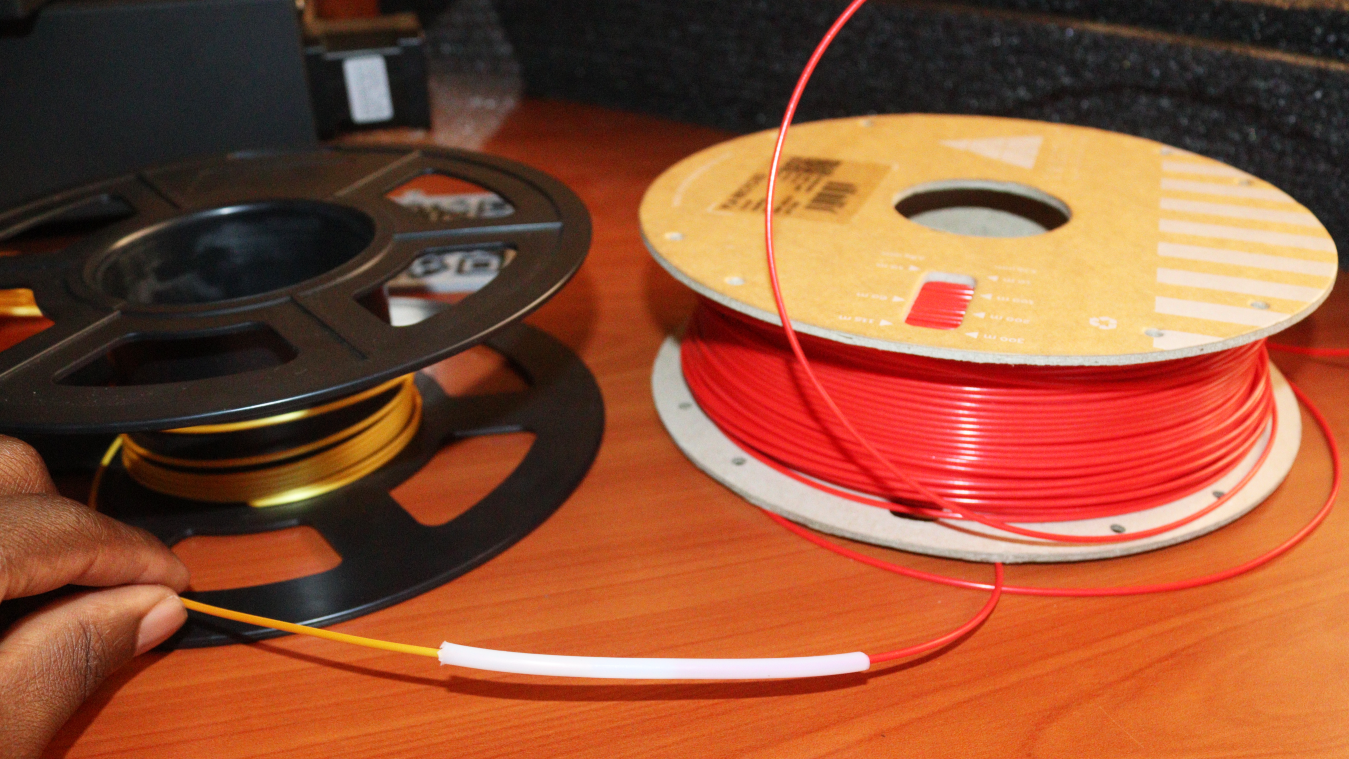
2. The Lighter Method: Daredevil Status Achieved
Alright, this one's for the adventurous souls. Using a lighter to melt the ends of the filament and stick them together. Proceed with caution! You can easily burn yourself or create a weak, brittle joint.
Think of it as playing with fire… literally. It’s a bit like trying to assemble IKEA furniture with a butter knife. It might work, but expect some frustration.
3. The Cold Splice: Low-Tech and Surprisingly Effective
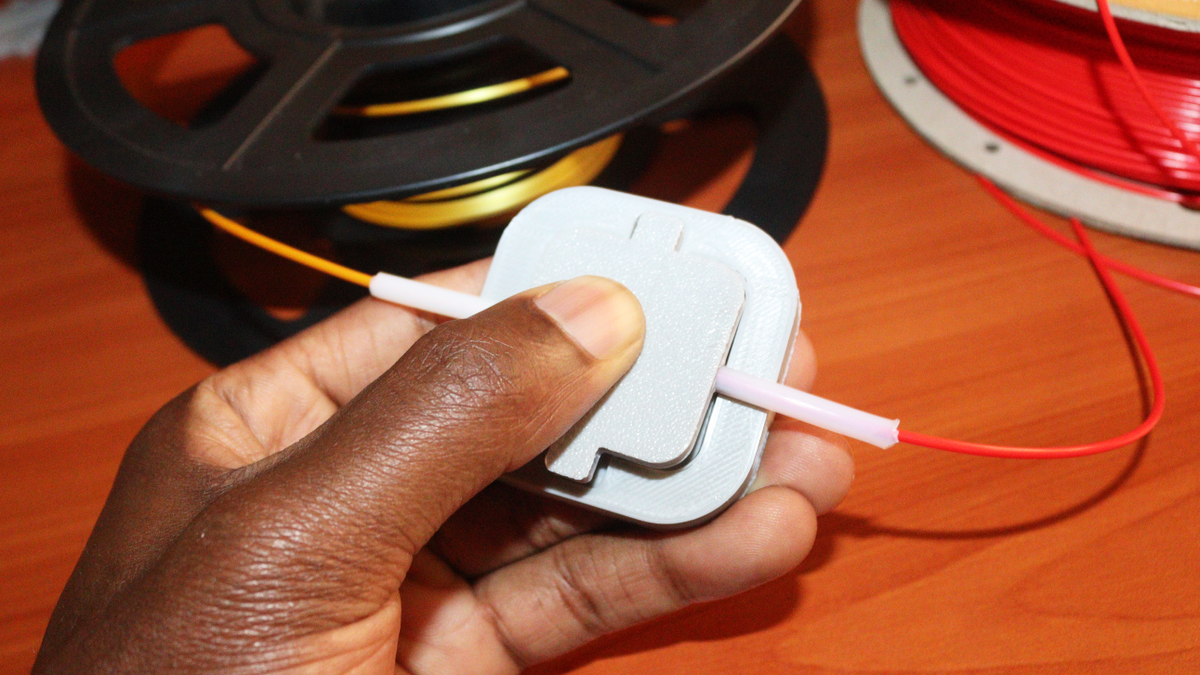
This method relies on carefully overlapping the filament ends and using a bit of glue or adhesive to hold them together. It's surprisingly effective, especially for filaments that are difficult to weld.
Picture this: you're crafting a delicate filament bracelet, meticulously layering the ends together. You’re basically MacGyver-ing your way to 3D printing success.
4. The "Butt Joint" Method: More Hope than Science
This one is... ambitious. You literally butt the ends of the filament together and hope they fuse in the printer's hot end. Success rate? Let's just say it's not high. This is the equivalent of trying to start a car with your mind.

Why Bother? The Quirks and Perks
So, why would you even attempt to join filament? Well, for one, it's thrifty! No more wasting those precious remnants. Plus, it's kinda fun, right? Embrace the challenge!
Let's be honest, the real reason is the satisfaction of saving a print from certain doom. Imagine: your masterpiece is 99% complete, and then click the filament runs out. Joining those last few meters could be the difference between victory and a pile of discarded plastic.
Color Changing Shenanigans! Want to spice up your prints? Joining different colored filaments is a fun way to add a surprise color change. Think of it as a 3D printing easter egg!
The Caveats: When Joining Goes Wrong
Okay, let's get real. Joining filament isn't always sunshine and rainbows. A bad joint can cause clogs, failed prints, and general frustration. It's like inviting a gremlin to your 3D printing party.

Diameter Disasters! Even a slight increase in diameter at the joint can wreak havoc on your printer's extruder. Make sure your join is smooth and uniform.
Material Matters! Some filaments are easier to join than others. PLA tends to be more forgiving than ABS or PETG. Experiment and see what works best for you.
The Final Verdict: Embrace the Experiment!
So, can you connect two rolls of filament together? Absolutely! Should you? That depends. If you're feeling adventurous, thrifty, and enjoy a good challenge, go for it! Just be prepared for some trial and error. Remember, it's all about the journey (and maybe saving a few bucks along the way).
Happy printing, and may your filament joins be strong and true!