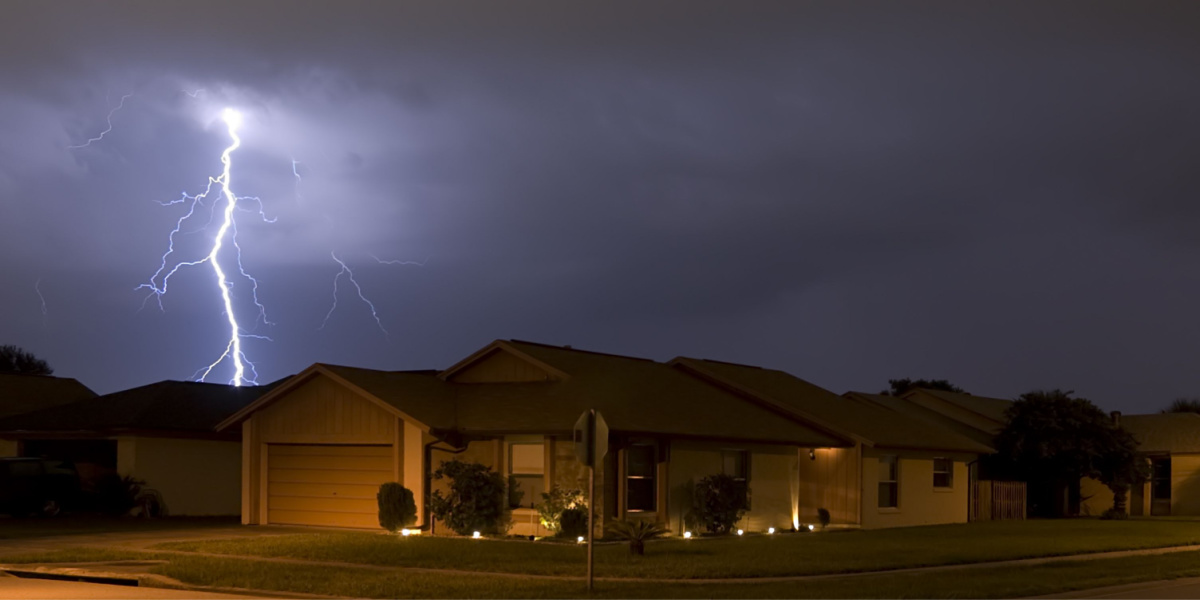
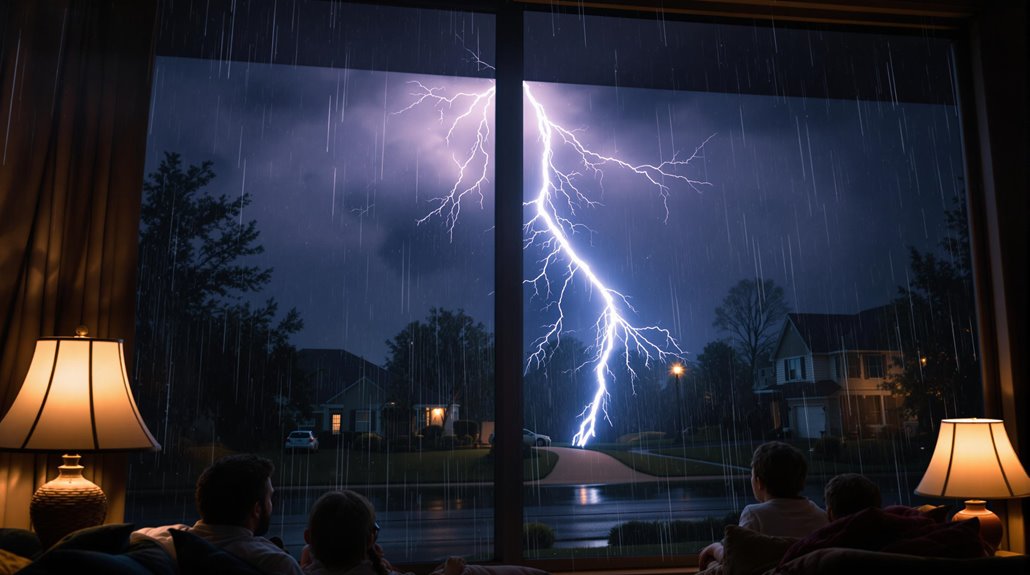
Picture this: It's a dark and stormy night. The rain is hammering against your window, thunder is rumbling like a giant bowling ball in the sky, and sudden flashes of lightning are lighting up the whole neighborhood.
You're curled up on the couch, maybe with a blanket and a mug of something warm. Then, a thought zaps into your brain: "Wait a minute... can I actually get struck by lightning... right here... in my house?"
It's a classic storm-time worry, right? The kind of thought that makes you pull your feet up onto the couch, just in case. Well, grab another cookie, because we're about to put that fear to rest with a resounding cheer!
The short, sweet, and incredibly reassuring answer is: for the vast, vast majority of us, tucked away in our homes, the chances are practically zilch! Seriously, lightning is not interested in your living room.
Your cozy abode, your personal sanctuary, is actually an incredibly safe place to be during a lightning storm. It's built to protect you from the wild antics of Mother Nature, including her most electrifying showstopper.
Chill Out, You're Practically Bulletproof (from lightning, that is!)
Think of your house as your own personal, giant, super-duper lightning shield. When those magnificent, crackling bolts of pure energy come zipping down from the clouds, they are looking for the easiest path to the ground.
And guess what? Your house, with its sturdy walls, roof, and a whole lot of electrical wiring and plumbing built right in, is usually a much better path for that electricity than, say, you sitting on the sofa.
Lightning wants to ground itself, not hang out with your houseplants. It's like a VIP guest looking for the shortest queue to the restroom – it's not interested in stopping to chat at the snack table.
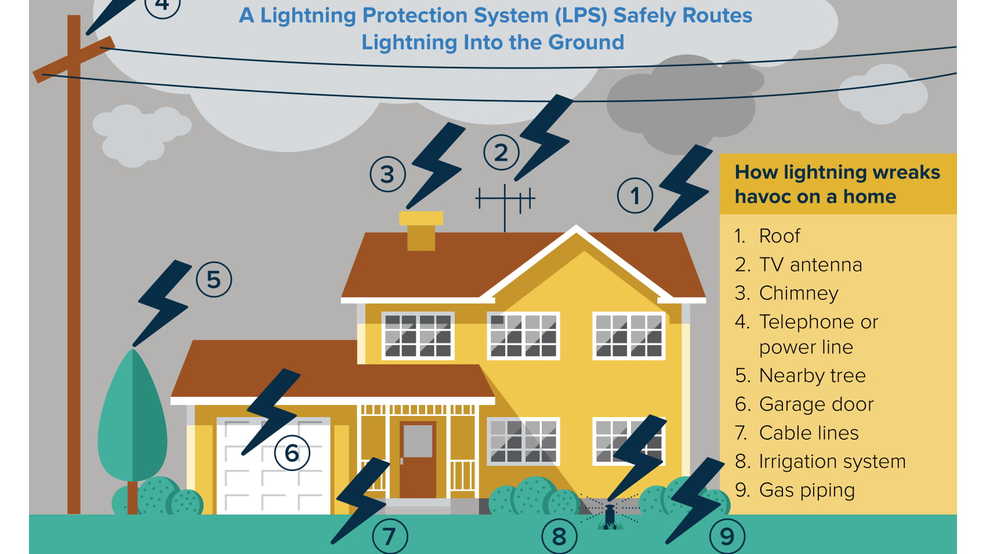
Most modern homes are incredibly well-grounded. They have all sorts of fancy systems, often hidden from view, that direct any potential lightning strikes safely into the earth. It's a bit like your house wearing super strong, invisible armor.
So, that thunder booming outside? That's just lightning having a dramatic moment with your roof or the ground nearby. It’s definitely not trying to high-five you through your living room window.
Seriously, your home is designed to withstand a lot. It's a fortress of comfort and safety, especially when the skies decide to throw a light show. You're tucked away, snug as a bug in a rug, while the storm rages.
Those Zap-Happy Thunderbolts are Mostly Harmless Indoors
Now, let's talk about those super rare, super dramatic stories you might have heard. We're talking about lightning doing truly bizarre things, like traveling through phone lines or water pipes.
How To Put Lightning In A Picture at Jamie Gibb blog
Yes, technically, electricity can travel through conductive materials. But we're talking about incredibly specific, usually older homes without proper grounding, or truly freak accidents.
For most of us, living in homes built with modern safety standards, the chances of lightning turning your shower into a lightning rod are incredibly slim. Your plumber wasn't installing an electrical conduit, after all!
Imagine lightning as a super speedy, but not super smart, delivery person. It has a package (its energy) and it needs to deliver it to the ground. It's going to take the most direct, obvious route.
It's not going to painstakingly navigate the intricate maze of your household plumbing or crawl through tiny cracks just to deliver a jolt to your unsuspecting teacup. It's got bigger fish to fry, literally!
"Your house is like a superhero shield, designed to take the hit!" It diverts that powerful energy away from you, keeping your precious toes safe and sound.
So, while the idea of lightning chasing you indoors might make a great horror movie plot, it's not a real-life scenario you need to worry about in your cozy home.
But What About My Super-Important Phone Call?
Ah, the classic warning: "Don't talk on the phone during a thunderstorm!" This one has a grain of truth, but it's largely outdated for modern times. Back in the day of landlines, a phone wire running outside could indeed conduct a strike into your home.
However, with the rise of cell phones, that risk has practically vanished into thin air. Your cell phone isn't connected to outdoor wiring, so it's not going to magically attract a lightning bolt.
Feel free to scroll through TikTok, text your bestie, or even order a pizza delivery during the storm. Your phone is basically a harmless little box of wonder, totally disconnected from the scary outdoor stuff.
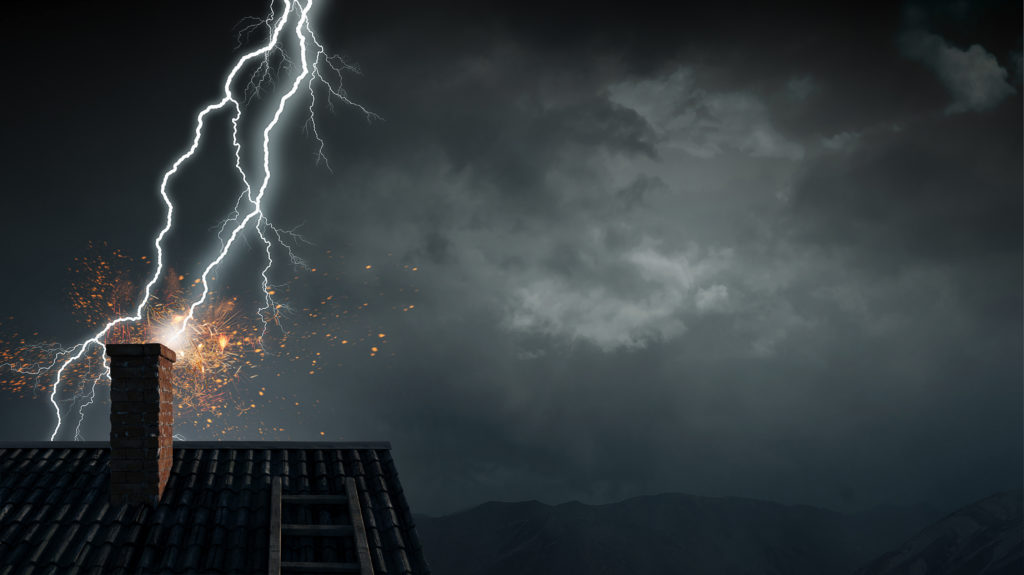
Steps to Take If Lightning Strikes Your Home
Even with corded landlines today, most systems have surge protectors built in, offering an extra layer of defense. So, unless you're living in a museum of ancient technology, you're pretty much in the clear.
Using your computer, playing video games, or binge-watching your favorite show? Go for it! These devices are designed to be used safely indoors, and your house provides the main protection.
The biggest risk to electronics during a storm usually comes from power surges, not direct strikes through your devices. That's why surge protectors for expensive equipment are always a good idea, lightning or not!
Splish-Splash, Don't Be Scared of the Bath!
Okay, another big one: "Don't take a shower or bath during a thunderstorm!" This one also stems from the fact that water pipes are made of metal and are connected to the ground outside your home.
In theory, lightning could travel through your plumbing. But again, we're talking about extremely rare circumstances, often in very old or improperly grounded plumbing systems.
For most modern homes, the chances of lightning deciding to take a detour through your shower head are incredibly, hilariously low. It's like asking a bolt of lightning to solve a Rubik's Cube – it's just not its thing.
If you're truly worried, maybe hold off on that luxurious bubble bath until the thunder stops rumbling. But honestly, the risk is so minimal it barely registers on the "things to actually worry about" scale.
You're far more likely to slip in the tub than you are to get zapped by a lightning bolt traveling up your drain. So, if you absolutely must wash your hair, go for it, but just be careful not to drop the soap!
"Lightning prefers the fast lane, not your cozy living room or your bathroom plumbing!" It's about efficiency, folks, not a dramatic grand entrance.
Can You Get Struck By Lightning In Your House?
So, take a deep breath, and remember that your home's infrastructure is doing a pretty fantastic job of keeping those wild electrical impulses where they belong – outside.
The Walls Have Eyes (But Lightning Doesn't Care)
What about leaning against a window or touching a wall? Some folks get nervous that lightning might somehow sneak through the glass or the drywall. Nope, nope, and a thousand times nope!
Glass and drywall are not conductive. Lightning isn't going to somehow magically materialize on your windowpane or conduct itself through your insulated walls.
Your walls and windows are your first line of defense, a solid barrier between you and the tempest outside. They're designed to keep everything from wind and rain to curious squirrels and, yes, lightning, safely out.
So, feel free to press your nose against the window (gently!) and watch the show. You're totally safe to observe the storm's fury from the comfort and protection of your living room.
Unless your house is literally falling apart, with gaping holes to the outside that expose live wires, you're perfectly secure. Even then, your concern would be about the structural integrity, not lightning specifically aiming for your hand on the wall.
You're basically inside a gigantic Faraday cage, a structure that redirects electrical charges around its exterior. Your house acts as this protective barrier, ensuring the electric current stays outside.
So, What Should You Do During a Storm?
Now that we've banished those lightning worries to the stormy skies where they belong, let's talk about the fun stuff you can do! Because a thunderstorm, when you're safe inside, can actually be quite magical.
First, embrace the cozy! Get that soft blanket, brew some hot cocoa, or make some popcorn. It's the perfect excuse for a movie marathon, a board game battle, or diving into that book you've been meaning to read.
How to 'Lightning-Proof' your home | WBMA
Listen to the rain patter, watch the dramatic flashes, and feel utterly safe. It's a prime opportunity for some peaceful introspection or just enjoying the quiet rumble of nature's symphony.
Disconnect from the world (not because of lightning, but because it feels good!). Turn off the bright lights, light a candle (safely!), and enjoy the natural light show without any fear.
Make a fort! Seriously, when else do you get a perfect excuse to build a blanket fort? It’s peak cozy and perfectly lightning-proof!
Embrace Your Inner Storm-Watcher!
Your home is a sanctuary, a haven from the storm. You're not just safe; you're privileged to witness nature's raw power from a place of absolute comfort and security.
So next time the skies open up and the thunder rolls, don't let those silly "what ifs" sneak into your head. Remember how incredibly well-protected you are by the very walls around you.
Instead of worrying, focus on the sheer awesome power of the storm outside. It's a reminder of how incredible our planet is, and how clever we are at building safe spaces.
Go ahead, open that snack bag, put on some chill music, and just be. Enjoy the moment, safe in the knowledge that lightning isn't going to join you for tea.
"Seriously, you're safer from lightning inside your home than you are from stubbing your toe on the coffee table!" And let's be honest, that coffee table is a real menace sometimes.
So, kick back, relax, and let the storm do its thing outside. Your house has got you covered, literally. You're not just indoors; you're in the safest spot on the block, ready to weather any storm with a smile.
Now go forth, fellow storm-dweller, and enjoy the show! Your home is a fortress, and you are its most cherished, lightning-proof inhabitant. Stay cozy, stay safe, and enjoy the thunderous symphony!