Can The Smell Of Gas Harm You

Ah, that distinctive whiff! You know the one. That pungent, unmistakable odor that instantly makes your nose crinkle and your heart do a little pitter-patter of panic. We're talking about the smell of gas, of course. For most of us, it's a signal to snap into emergency mode: "Gas leak! Get out! Call someone!" But have you ever stopped to wonder if the smell itself is harmful? Or is it more of a friendly, albeit pushy, alarm bell?
Let's dive into this surprisingly comforting truth, because what you're smelling isn't quite what you think. Prepare for a little paradigm shift, a moment where an unpleasant odor transforms into a tiny, gaseous superhero in your mind!
The Scent of Safety: What You’re Really Sniffing
Here’s the big secret: natural gas, in its pure form, is actually odorless. That's right! It’s completely scent-free, colorless, and invisible. If it leaked into your home without a warning, you’d be none the wiser, and that, my friends, would be truly dangerous. Think about it: an unseen, silent intruder that could lead to suffocation or, even worse, a mighty explosion if it met a spark. Yikes!
Must Read
So, why does gas smell like rotten eggs or boiled cabbage that’s gone terribly wrong? This is where our unsung hero comes in. Utility companies, in a stroke of genius and safety-first thinking, add a special chemical to natural gas. This chemical is called an odorant, and its sole purpose is to give the gas that famously foul aroma. The most common odorant used worldwide is mercaptan (or more generally, thiols). Imagine being the chemist whose job it is to create the most universally offensive smell known to humanity – all for a good cause!
"Mercaptan is designed to be detected by the human nose at incredibly low concentrations, long before the natural gas itself poses a significant danger."
This means that the moment you catch that tell-tale whiff, the actual concentration of natural gas in the air is usually still very, very low. The odorant is so potent that it gives you ample warning time to react safely.

Is the Smell Itself a Hazard?
Now, to the heart of our question: Can the smell of gas harm you? The good news is, in the vast majority of cases, absolutely not! The odorant, mercaptan, is added in such minute quantities that its presence alone isn't going to cause you any immediate health problems. You’d need to be exposed to incredibly high concentrations of the odorant for a long period for it to be harmful, and by that point, the natural gas itself would be a far greater threat.
Think of it like this: the sound of a fire alarm is loud and jarring, but the sound waves themselves aren't burning your house down. The alarm is merely a messenger, a noisy little friend telling you to check for fire. Similarly, the smell of gas is just the messenger, a pungent pal urging you to investigate a potential leak.
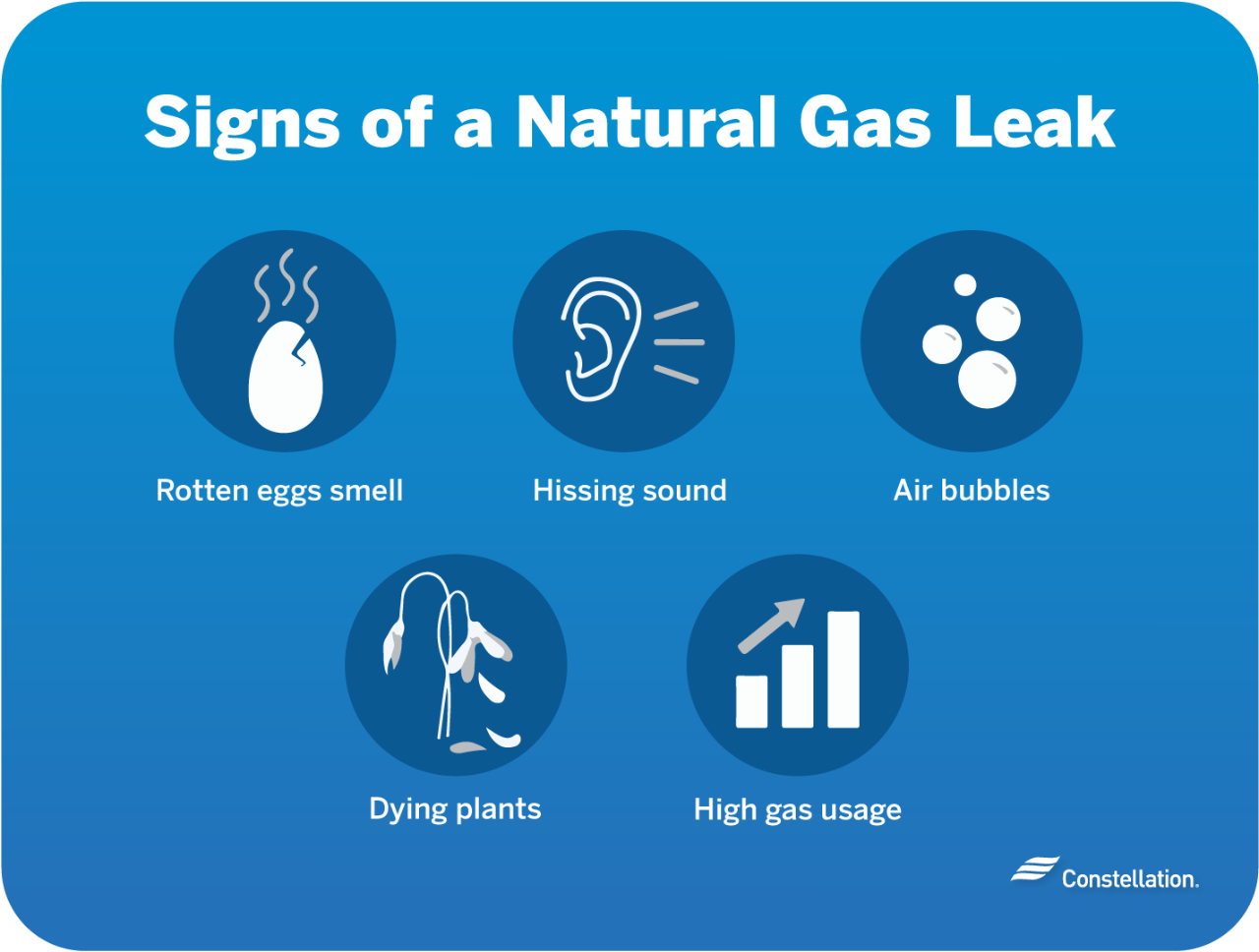
However, and this is an important distinction, prolonged exposure to a significant natural gas leak (not just the smell, but the actual gas!) can be dangerous. Natural gas primarily displaces oxygen, meaning that if it fills an enclosed space, it can lead to asphyxiation (suffocation) because there isn't enough oxygen left for you to breathe. And, of course, there's always the risk of explosion. But again, the smell is your early warning system, designed to prevent you from reaching that dangerous point.
The Unexpected Guardian
So, the next time your nose catches that familiar, unpleasant scent, try to reframe your reaction. Instead of immediate dread, perhaps a tiny flicker of appreciation? That stink is working hard, diligently broadcasting a message of safety directly to your olfactory senses. It's like having a tiny, invisible bodyguard whose sole job is to smell terrible so you can stay safe.

It’s a strange, almost humorous paradox: the most obnoxious smell often associated with danger is, in fact, one of our greatest guardians against it. Without it, our homes and workplaces would be far more perilous places. So, give a quiet nod of thanks to mercaptan – the unsung, stinky hero of everyday safety.
When you do smell gas, remember the protocol: don't panic, but act swiftly. Open windows and doors, get everyone (and pets!) outside, and then, from a safe distance, call your gas company's emergency line. They're equipped to handle the real danger. The smell has done its job – it warned you. And in the grand scheme of things, that's a pretty heartwarming service from such an unlovely aroma, wouldn't you agree?