Can Stage 3a Kidney Disease Be Reversed
Let's be honest, nobody enjoys talking about kidney disease. It's not exactly the kind of topic you bring up at a dinner party. But understanding our health, particularly the health of vital organs like our kidneys, is crucial for living a long and fulfilling life. Think of it like understanding how to maintain your car. You might not love checking the oil, but you do it because you want to keep driving! Similarly, understanding kidney disease, even if it's a little daunting, can help you stay on the road to better health.
The kidneys are workhorses, constantly filtering waste and excess fluid from your blood, which are then excreted as urine. They also play a vital role in regulating blood pressure, producing red blood cells, and keeping your bones strong. Basically, they're essential for keeping everything running smoothly. When your kidneys aren't functioning properly, this can lead to a whole host of problems, from fatigue and swelling to more serious complications like heart disease.
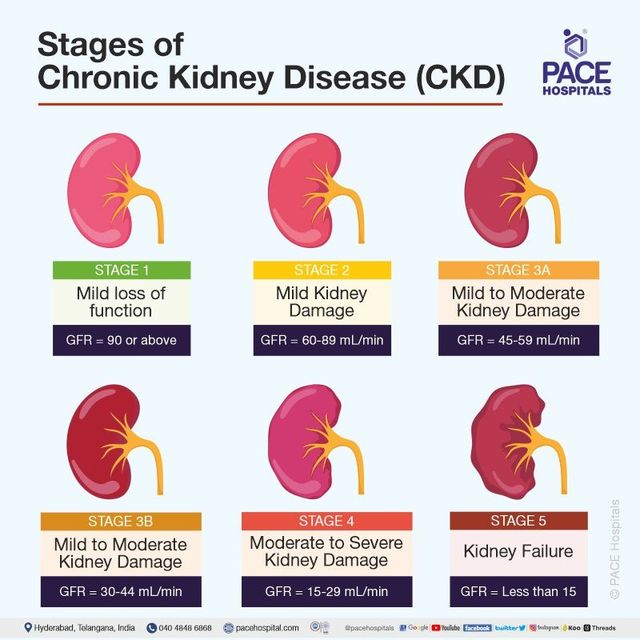
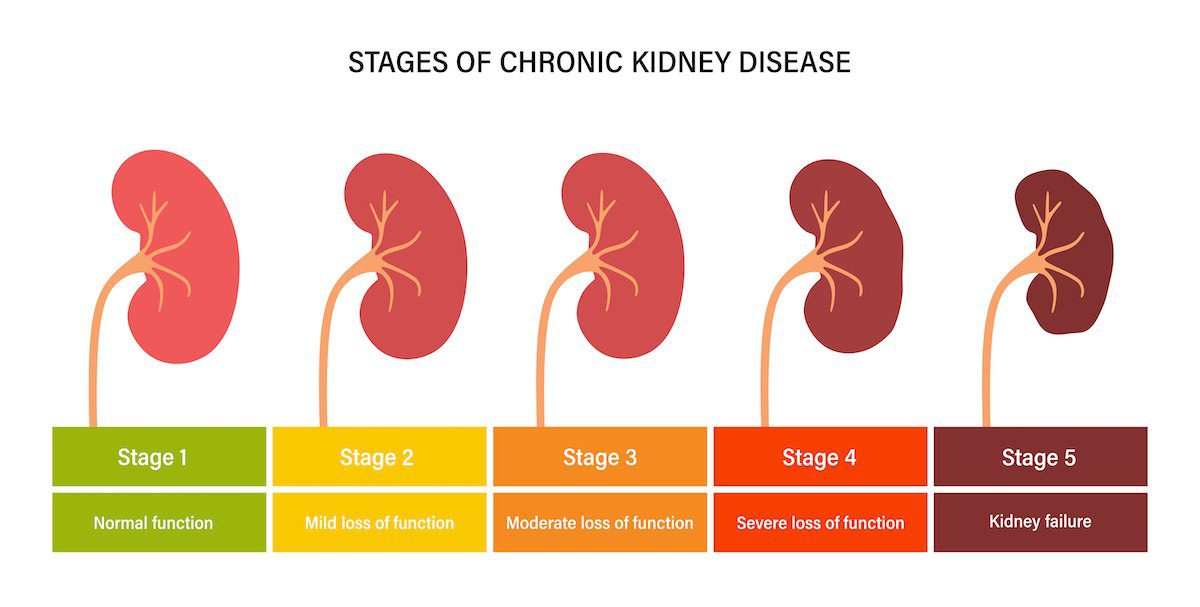
Chronic Kidney Disease (CKD) is staged from 1 to 5, with stage 1 being mild kidney damage and stage 5 being kidney failure requiring dialysis or a transplant. Today, we're focusing on stage 3a, which means your kidneys are functioning at 45-59% of their normal capacity. Many people are diagnosed with stage 3a CKD incidentally, often during routine blood work. It’s a common stage, and it's understandable to be concerned if you're diagnosed with it. The big question, and the one on everyone’s mind, is: Can stage 3a kidney disease be reversed?
Must Read
The short answer is, it's complicated. Reversal, in the truest sense of the word, might not always be possible. Once kidney tissue is damaged, it's very difficult to regenerate. However, progression can often be slowed or even halted, and in some cases, kidney function can improve enough to move back to an earlier stage. This is where lifestyle changes and medical management come into play.
So, how can you improve your outlook with stage 3a CKD? Here are some practical tips:
- Control Blood Pressure: High blood pressure is a leading cause of kidney damage. Work with your doctor to achieve and maintain a healthy blood pressure through medication, diet, and exercise.
- Manage Diabetes: If you have diabetes, keeping your blood sugar levels under control is essential. Uncontrolled diabetes can significantly accelerate kidney disease.
- Dietary Changes: This is huge. A kidney-friendly diet typically involves limiting sodium, phosphorus, and potassium. A registered dietitian specializing in kidney disease can help you create a personalized meal plan. They can also help you adjust your protein intake.
- Stay Hydrated: Drinking enough water helps your kidneys flush out waste. However, talk to your doctor about the right amount of fluid intake for you, as it can vary depending on your overall health.
- Avoid NSAIDs: Over-the-counter pain relievers like ibuprofen and naproxen can be harmful to your kidneys. Talk to your doctor about safer alternatives.
- Regular Check-ups: Monitor your kidney function regularly with your doctor. Early detection of any decline allows for timely intervention.
- Quit Smoking: Smoking damages blood vessels, which can worsen kidney disease.
It's important to remember that everyone's situation is unique. Working closely with your doctor and a registered dietitian is crucial for developing a personalized plan to manage your kidney health. While a full "reversal" might not always be achievable, focusing on slowing progression and improving your overall health can significantly improve your quality of life. Taking proactive steps is empowering and can make a real difference in your kidney health journey. Don't underestimate the power of lifestyle changes and consistent medical care in managing stage 3a CKD.