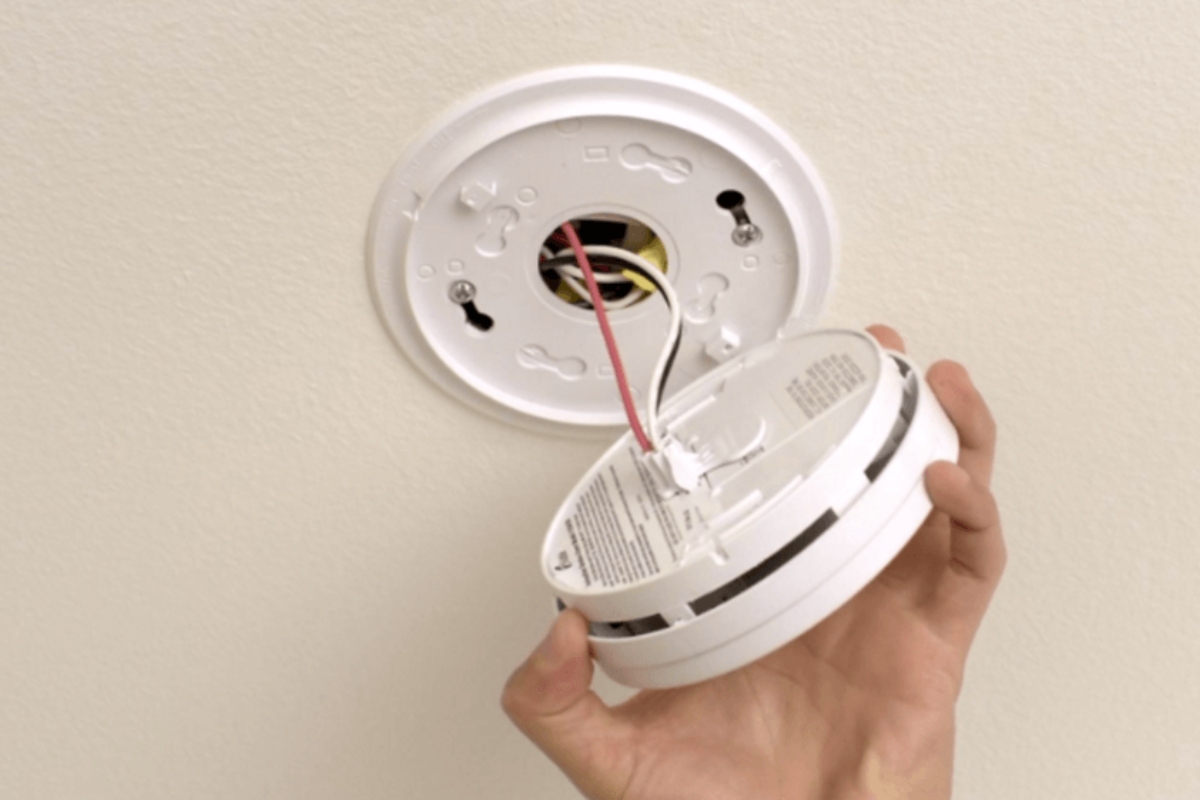
Can Smoke Detectors Be Mounted On Walls

Alright, gather 'round, folks! Pull up a comfy virtual chair, because we're about to tackle one of life's truly baffling mysteries, right up there with "where do all the lost socks go?" and "why is the printer always out of ink?" We're talking about the humble, yet incredibly important, smoke detector. Specifically, the age-old question that keeps homeowners (and frankly, a few very confused renters) up at night: can you mount a smoke detector on a wall?
For years, it's felt like an unwritten law, passed down through generations of home inspectors and overly cautious uncles: smoke detectors belong on the ceiling. And for good reason! Smoke, bless its heart, is a bit of a drama queen. It rises. It wafts. It generally makes a beeline for the highest point in the room, like a teenager heading for the WiFi router.
The Ceilings: Where Smoke Gets Its Groove On
Think about it. When a fire starts, the smoke isn't going to politely drift sideways like it's waiting for a bus. No, sir. It’s going to plume upwards, spreading out across the ceiling. That's why the ceiling has traditionally been considered the gold standard for smoke detector placement. It's the prime real estate for catching those sneaky smoke particles as early as possible, giving you precious extra seconds to get out of dodge.
Must Read
But what if your ceiling is a chaotic wonderland of beams, angles, or perhaps a decorative mural you really don't want to drill into? Or maybe you just prefer a cleaner aesthetic? Does that mean you're doomed to a life of unprotected slumber?
Walls to the Rescue (With Caveats, Naturally!)
Prepare for a mind-blowing revelation: Yes, you absolutely can mount smoke detectors on walls! Gasp! I know, right? It’s not just a myth perpetuated by rebellious interior designers. But, and this is a big "but" with a capital B, there are some pretty important rules to follow, lest your wall-mounted guardian become a glorified dust collector instead of a life-saver.
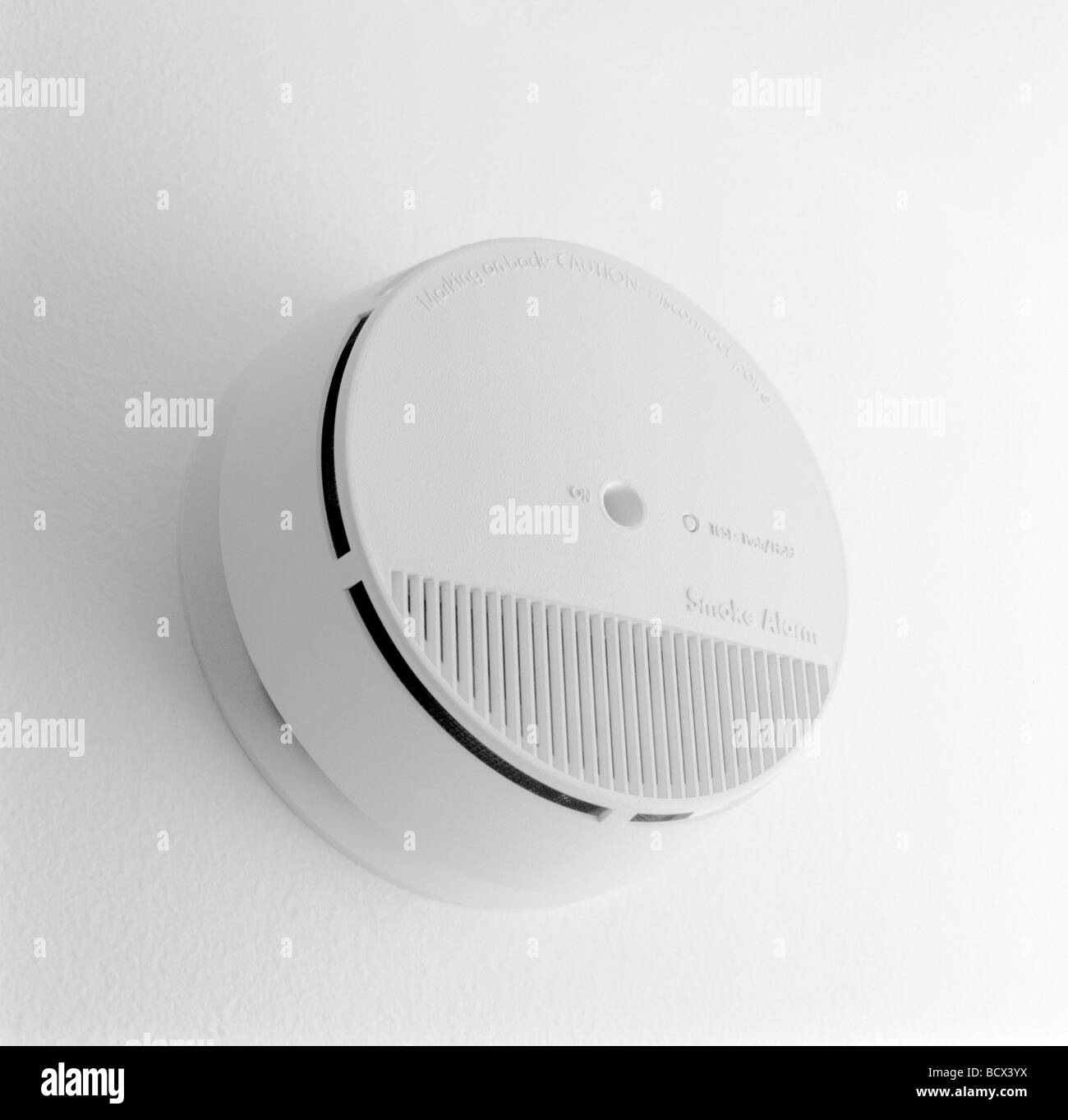
The golden rule for wall mounting is this: the top of the smoke detector needs to be placed between 4 and 12 inches (10 to 30 cm) from the ceiling. Not 13 inches, not 3 inches. We're talking about a sweet spot, a detection zone where smoke is likely to gather before it gets too dispersed or, heaven forbid, trapped in a "dead air" space.
Why the 4-12 Inch Rule? Enter "Dead Air"
Let's talk about these "dead air" spaces, because they're a sneaky little menace. Imagine the corners where your wall meets the ceiling. Air in these areas doesn't circulate very well. It's like the quiet kid in the back of the class – nothing much happens there. If you mount a smoke detector too close to the ceiling (say, within 4 inches), it might get stuck in this dead air zone, and by the time enough smoke drifts in to trigger it, you might already be halfway through roasting marshmallows over your burning sofa.
Conversely, if you mount it too low on the wall, say, by your knee, the smoke will have sailed right past it, chilling at the ceiling while your detector is blissfully unaware. It'd be like expecting a lifeguard to spot a drowning person from the snack bar. Not ideal!

When Wall Mounting Becomes Your Best Friend
There are specific scenarios where wall mounting isn't just acceptable, it's actually preferred:
- Sloped, Peaked, or Vaulted Ceilings: If you've got those fancy cathedral ceilings that go up for days, mounting a detector at the absolute tippy-top peak can sometimes be ineffective. Air currents can prevent smoke from settling there quickly. In these cases, it's better to mount the detector on the wall, still within that 4-12 inch range from the highest point of the ceiling. Think of it as catching the smoke just as it starts to spread horizontally.
- Beamed Ceilings: Those beautiful exposed beams can create pockets where smoke gets trapped, preventing it from reaching a ceiling-mounted detector. Wall mounting can help circumvent these little smoke hideouts.
- Small Rooms/Hallways: Sometimes, the geometry of a room just makes wall mounting more practical, especially in narrow hallways or small landings where a ceiling mount might feel visually intrusive or be in the path of a door swing.
The "Don't You Dare" Zones
While walls open up new possibilities, they also come with a strict "do not enter" list for detector placement:
- Too close to doors, windows, or ventilation ducts: Drafts can mess with the smoke's path, blowing it away from the detector.
- In the kitchen: Unless it's a specific photoelectric detector with a "hush" button (and even then, think twice!), cooking fumes are notorious for false alarms. No one wants their smoke detector to scream every time they toast bread.
- In the bathroom: Steam from showers is another false alarm culprit.
- Near fluorescent lights: The electrical "noise" can sometimes interfere.
A Few More Surprising Nuggets of Wisdom
Did you know that smoke detectors have a lifespan? Most models need to be replaced every 10 years! That's right, they don't last forever. Even if they chirp, test, and seem fine, their sensors degrade over time. It's like a tiny, vigilant superhero whose superpowers slowly fade. Mark your calendars, people!
Also, make sure you have detectors on every level of your home, including the basement, and inside or outside every sleeping area. Fire doesn't take kindly to an "out of sight, out of mind" philosophy.
The Verdict: Walls Are Your Wingmen
So, there you have it! The answer to our burning question is a resounding "yes," with a side of careful consideration. While ceilings remain the MVP for smoke detection, walls are perfectly capable wingmen when placed correctly. The key takeaway? Placement matters more than the mounting surface itself. Aim for that 4-12 inch sweet spot from the ceiling, avoid dead air zones, and you'll have a vigilant guardian watching over your home. Now go forth, inspect those detectors, and maybe, just maybe, finally get some sleep without wondering if you've broken some ancient smoke detector law!