
Can Landlord Install Cameras Outside
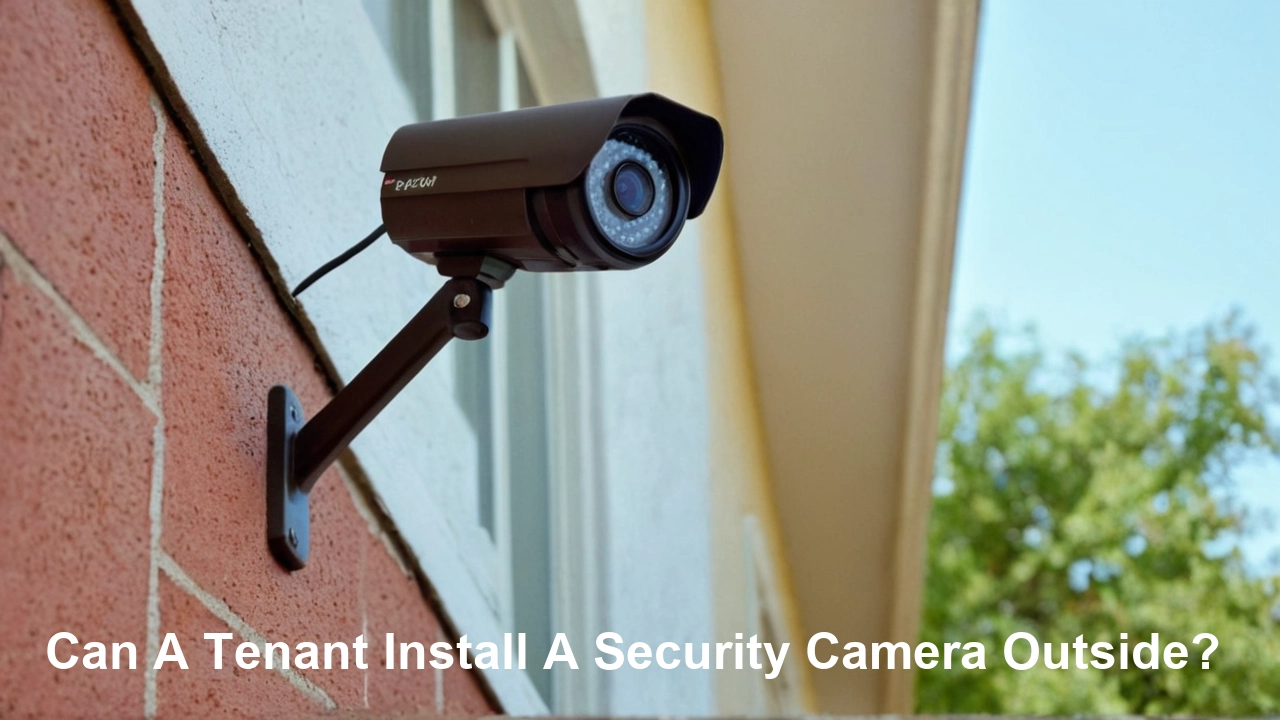
Ever found yourself pondering the subtle nuances of living in a rented space? One question that often pops up, perhaps while you're taking out the trash or watering your plants, is: "Can my landlord install cameras outside?" It's a surprisingly common and relevant query in our modern, security-conscious world, and diving into it is a fascinating way to understand the curious balance between privacy, safety, and property rights.
The primary purpose of a landlord installing outdoor cameras is usually quite straightforward: security and property protection. Imagine a large apartment complex or even a duplex. Cameras can deter vandalism, discourage package theft from common areas, and monitor who comes and goes, potentially identifying unauthorized individuals. For a landlord, these cameras offer a layer of peace of mind, helping to keep the property and, by extension, the tenants safer. They can be invaluable in investigating incidents like break-ins, property damage, or even disputes between residents in shared outdoor spaces like parking lots or communal gardens. The benefits often lean towards creating a more secure environment for everyone living there, acting as a silent, ever-vigilant guardian.
So, where do these cameras typically show up in daily life, and what does it teach us? You'll most often see them mounted near main entrances, parking lots, shared pathways, or community amenities like pools or clubhouses. These are considered common areas where there's generally a lower expectation of privacy. Learning about this topic essentially educates us on the concept of "reasonable expectation of privacy." For instance, a camera pointing at a shared entryway is usually fine, as many people pass through it. However, if a camera is pointed directly at your private balcony, your bedroom window, or a secluded private patio, that crosses into a very different legal and ethical territory. Understanding these distinctions helps tenants grasp their rights and landlords understand their boundaries, fostering a more harmonious living arrangement.
Must Read
If you're curious about your own rental situation, there are some simple ways to explore this topic. First, check your lease agreement. Many landlords will explicitly mention security cameras in the lease, especially for common areas. This is your primary source of information! If it's not mentioned, a simple, friendly conversation with your landlord is a great next step. Ask about the cameras – their purpose, location, and what footage is recorded. Most landlords are happy to explain, especially if their intent is genuinely about safety. It’s also wise to do a quick search for local tenant privacy laws in your city or state, as these regulations can vary significantly.
Ultimately, the ability of a landlord to install outdoor cameras boils down to a thoughtful consideration of security versus privacy. While they can be a great tool for safety in common areas, tenants still retain a fundamental right to privacy in their personal spaces. Keeping the lines of communication open and understanding the legal landscape are key to navigating this increasingly relevant aspect of modern tenancy. It’s a fascinating corner of property law that reminds us all to be curious, informed, and communicative!


![Can A Landlord Install Security Cameras On Rental Property? [2022]](https://rentprep.com/wp-content/uploads/2022/07/Landlord-Install-Security-Cameras.jpg)