Can I Use Pectin Instead Of Gelatin
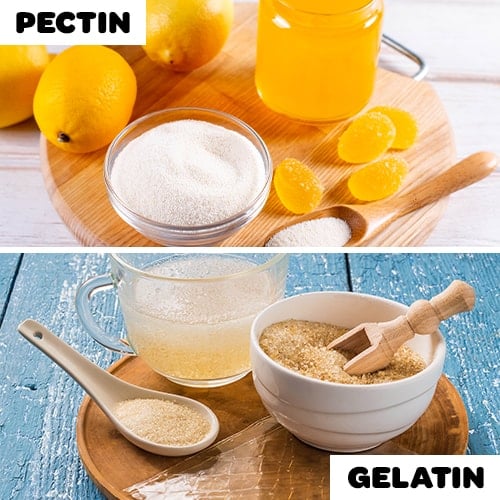
Gelatin, that jiggly wonder, has long been the king of solidifying liquids. From retro desserts to science experiments worthy of a mad scientist, its uses are undeniably widespread. But what if you're looking for a plant-based alternative, or perhaps just want to experiment with something new? Enter pectin, the humble hero of jams and jellies, ready to prove its versatility beyond the breakfast table. Yes, my friend, you absolutely can use pectin instead of gelatin, and the results might just surprise you!
For the creative souls out there – the artists, hobbyists, and anyone who loves a bit of DIY magic – pectin offers a fascinating world of possibilities. Think beyond the traditional "jelly" texture. Pectin can be used to create interesting textures for edible art, like fruit leathers with a unique chewiness. Imagine crafting miniature landscapes from brightly colored fruit purees, solidified with pectin instead of gelatin. The possibilities are truly endless, limited only by your imagination!
Consider the possibilities for each group! Home cooks can use pectin for a lighter, fruitier alternative to traditional gelatin-based desserts like panna cotta, offering a vibrant twist on a classic. Bakers could incorporate pectin into glazes for a smooth, shimmering finish on cakes and pastries. Artists can create delicate, edible sculptures, using pectin to bind fruit purees into intricate shapes. A science enthusiast can play with the setting properties of pectin. Each application provides a unique touch, making pectin an excellent choice.
Must Read
Here are a few ideas to get your creative juices flowing:

- Geometric Fruit Leather: Create vibrant fruit leathers in sharp, modern shapes using a pectin-based recipe.
- Edible Flower Arrangements: Set delicate flowers in a clear, pectin-based gel to create stunning, edible arrangements for cakes or desserts.
- Deconstructed Jelly: Use different types of pectin to create a plate of various textures and consistencies of jelly, playing with flavor pairings and visual appeal.
- Fruit Caviar: Experiment with spherification techniques using pectin to create tiny, burst-in-your-mouth fruit "caviar" for an elegant touch.
Trying pectin at home is easier than you might think! Here are a few tips:
- Choose the right pectin: Different types of pectin (high-methoxyl, low-methoxyl) require different amounts of sugar or calcium to set properly. Read the instructions carefully!
- Acid is your friend: Pectin often needs acid to set effectively. Lemon juice is a great addition to many fruit-based recipes.
- Experiment with different fruits: Some fruits are naturally higher in pectin than others, affecting the final texture. Apples, citrus fruits, and berries are generally good choices.
- Don't overcook: Overcooking pectin can break it down and prevent it from setting properly.
- Have fun!: This is about experimenting, so don't be afraid to try new things and see what happens!
Ultimately, using pectin instead of gelatin opens up a whole new world of creative possibilities. It's a chance to explore new textures, flavors, and techniques. It allows you to cater to dietary needs while still enjoying the fun and satisfaction of creating something beautiful and delicious. Embrace the adventure, and you'll discover that the journey of experimentation is just as enjoyable as the final product. So, ditch the gelatin (at least for today!), grab some pectin, and let your imagination run wild! Happy creating!