Can I Use Galvanized Pipe For Gas

Let's talk pipes! Specifically, can you use galvanized pipe for gas? Now, I know what you're thinking: pipes aren't exactly the most thrilling topic. But trust me, understanding this is surprisingly useful, especially if you're a homeowner, DIY enthusiast, or just someone who likes to know how things work around the house. Knowing the right pipe for the job can save you a ton of headaches (and potentially worse!), and it's way more interesting than it sounds!
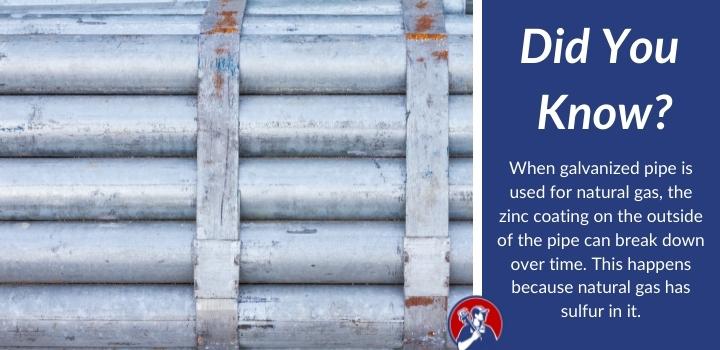
So, can you? The short answer is a resounding no. But let's dig into why. Galvanized pipe has a zinc coating. When natural gas interacts with this zinc, it can create zinc oxide. Over time, this oxide can flake off, causing blockages in your gas lines and appliances. This isn't just inconvenient; it's a serious safety hazard. Think pilot lights going out, appliances not working correctly, or, in the worst-case scenario, a gas leak.
Why is this important for different folks? For the beginner, knowing not to use galvanized pipe is a fundamental piece of home safety knowledge. It's as crucial as knowing not to mix bleach and ammonia. For families, the safety aspect is paramount. You want to ensure your home is a safe environment, and using the correct materials for gas lines is a non-negotiable part of that. And for the hobbyist or DIYer, it’s about doing things right, respecting building codes, and avoiding costly and dangerous mistakes. Imagine spending hours on a project, only to realize you used the wrong type of pipe and have to tear it all down! Nobody wants that.
Must Read
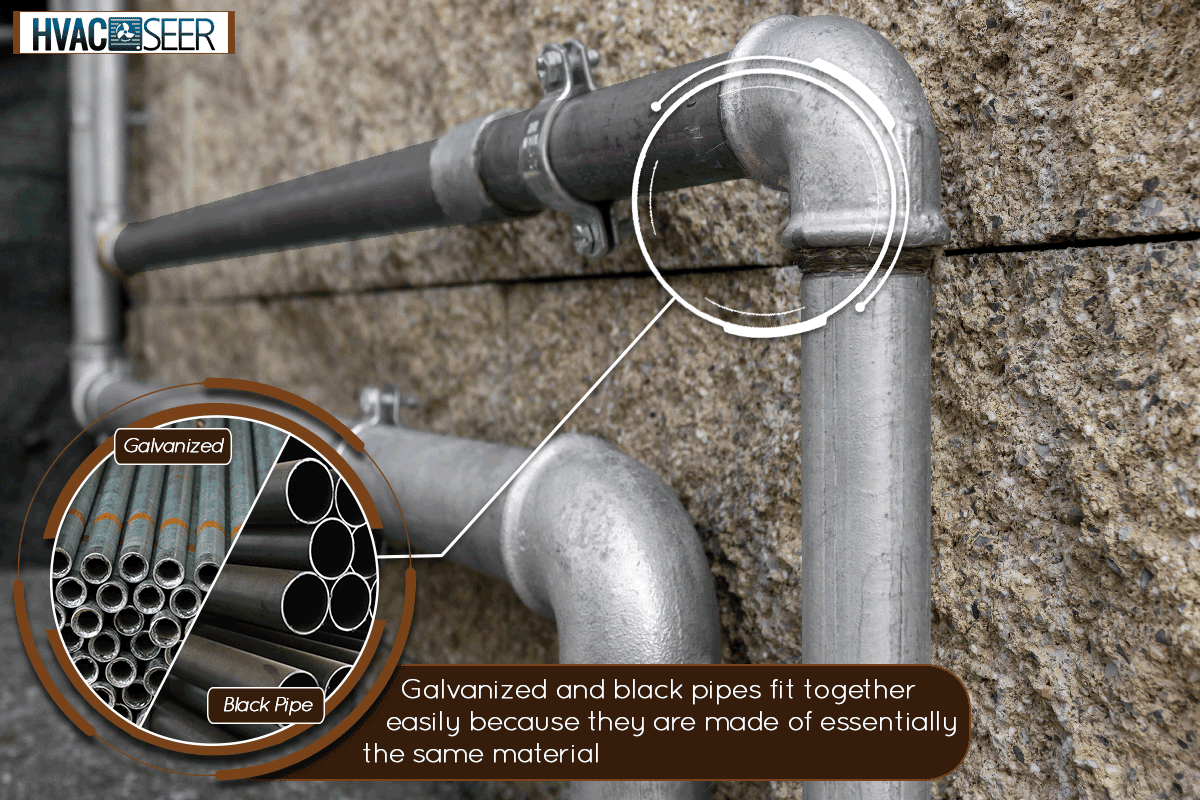
What are the alternatives? The go-to material for gas lines is black iron pipe. This type of pipe is designed to withstand the corrosive properties of natural gas. Another option, particularly for underground gas lines, is yellow polyethylene (PE) pipe. However, PE pipe requires specialized fittings and installation techniques. Copper tubing is another alternative, but it typically used for connecting appliances within the dwelling after the black iron pipe has been run throughout the building. Always check your local codes and regulations before starting any gas line project.
Here are a few simple tips to get started on the right foot:
- Always consult a qualified professional: When in doubt, hire a licensed plumber or gas fitter. They have the expertise to ensure the job is done safely and correctly.
- Know your local codes: Building codes vary from place to place, so make sure you're familiar with the regulations in your area.
- Use the right materials: Stick to black iron pipe or yellow PE pipe specifically designed for gas lines. Never use galvanized pipe!
- Test for leaks: After any gas line work, use a soap and water solution to check for leaks. Bubbles indicate a leak.
So, while the topic of pipes might not be the most glamorous, understanding the difference between galvanized and black iron pipe is essential for home safety. Armed with this knowledge, you can approach your next home improvement project with confidence, knowing that you're doing things the right way. It's about peace of mind, safety, and the satisfaction of a job well done. Plus, you can now impress your friends with your newfound pipe expertise! Who knew plumbing could be so empowering?