Can I Use Bentonite And Super Clear

Ever stared at a cloudy batch of homebrew, wine, or mead and wished you could wave a magic wand to make it crystal clear? Well, you might not need magic! Two popular clarifying agents, bentonite and Super-Kleer K.C. (aka Super Clear), can often do the trick. But with so many options out there, it’s natural to wonder: can I use them? Are they right for my brew? Let’s dive in and demystify these fining agents!
First, let’s understand what they do. Imagine your beverage as a party, and all the tiny yeast cells, protein particles, and other suspended bits are the unwelcome guests refusing to leave. These particles are what make your brew look hazy. Bentonite and Super Clear are like the friendly bouncers, helping these particles clump together and sink to the bottom, resulting in a beautifully clear liquid. Think of it as accelerated, natural settling.
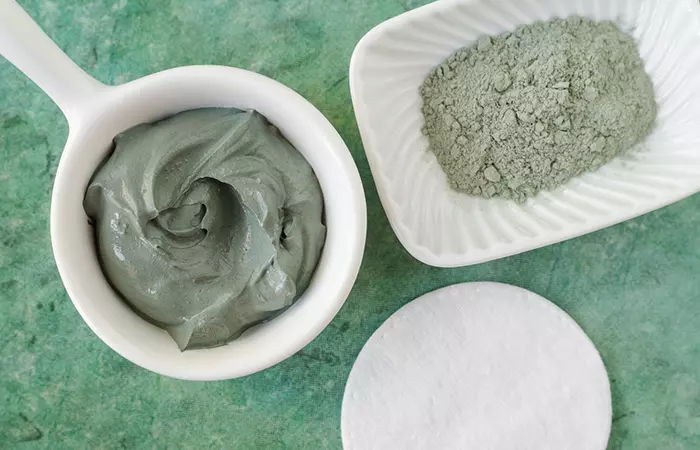
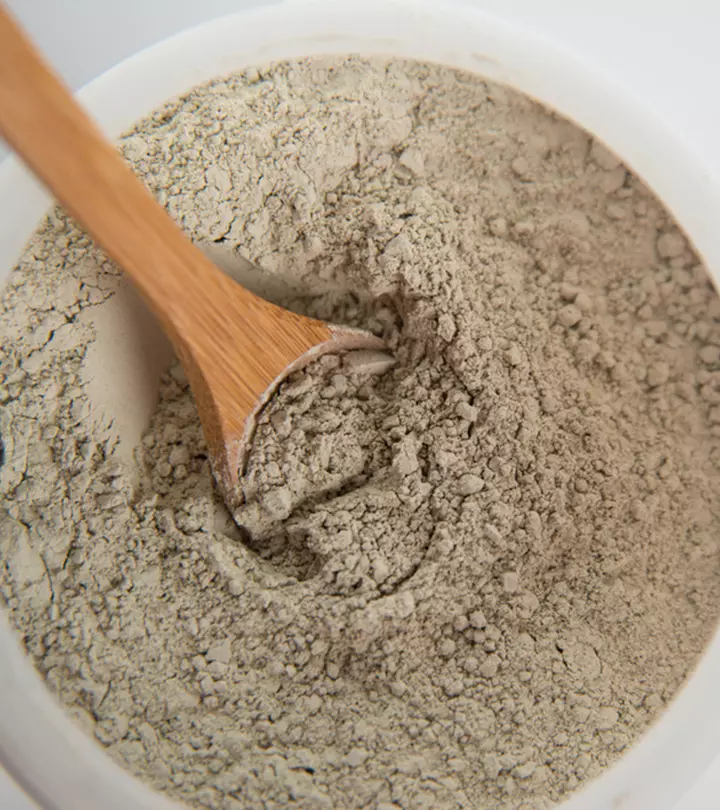
Bentonite is a type of clay, and it's been used for centuries in winemaking. Its primary purpose is to remove proteins that can cause haze later on. It has a negative charge, which attracts positively charged particles in your liquid, causing them to clump together and precipitate out. The benefits of using bentonite are numerous: it's relatively inexpensive, easy to use (though it needs to be hydrated properly!), and it can significantly improve the clarity and stability of your final product.
Must Read
On the other hand, Super Clear is a two-part fining agent, usually consisting of chitosan and kieselsol. Chitosan is derived from shellfish (important for those with allergies!), and kieselsol is a colloidal solution of silica. They work synergistically to remove a broader range of particles than bentonite alone. Kieselsol carries a strong negative charge, while chitosan carries a positive charge. This opposite attraction causes a rapid and effective flocculation (clumping) of suspended particles.

So, can you use them? Generally, yes! Most homebrewers, winemakers, and mead makers can benefit from using either bentonite or Super Clear. However, consider these points:
- What are you trying to clarify? Bentonite excels at removing proteins, while Super Clear handles a wider range of particles. If your haze is protein-related, bentonite might be your go-to. For a general clarity boost, Super Clear can be more effective.
- Timing is key. Bentonite is typically added before fermentation (though it can be used after). Super Clear is added after fermentation is complete and the beverage has stabilized.
- Follow instructions carefully. Both bentonite and Super Clear require specific preparation and dosage. Always read and follow the manufacturer's instructions to avoid over-fining or introducing unwanted flavors.
- Potential Allergies: Super Clear often contains chitosan derived from shellfish.
In conclusion, bentonite and Super Clear are excellent tools for achieving crystal-clear beverages. Experiment, take good notes, and enjoy the process of perfecting your craft! With a little know-how, you can turn that cloudy concoction into a sparkling masterpiece that’s as pleasing to the eye as it is to the palate. Cheers to clear brews!