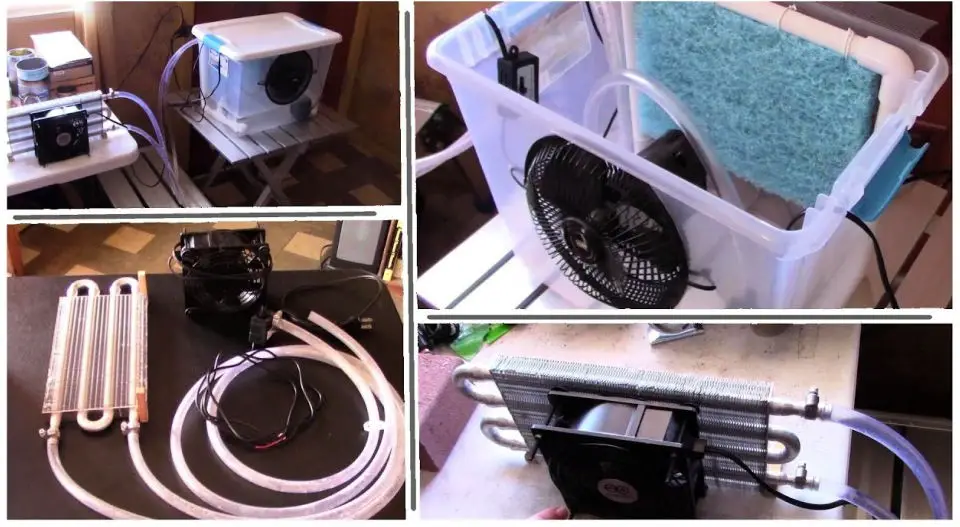
Can I Put Ice In My Swamp Cooler
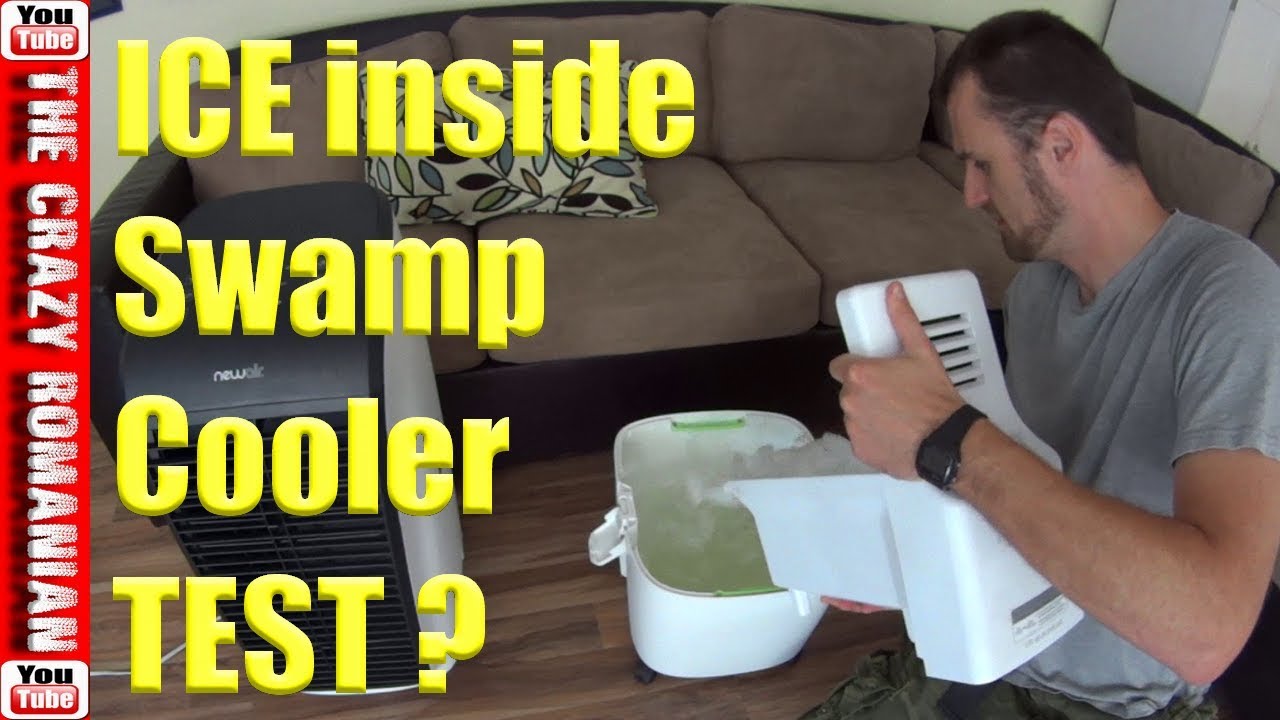
Ah, the swamp cooler, also known as an evaporative cooler! In the sweltering heat, it's a beacon of hope, offering a less energy-intensive alternative to air conditioning. Many folks in dry climates rely on these nifty devices to keep their homes and workshops bearable, especially when the summer sun is doing its best to turn everything into a slow cooker.
The core benefit of a swamp cooler is simple: it cools the air through evaporation. Water evaporates, drawing heat from the air, thus lowering the temperature. Compared to traditional AC units, they use significantly less electricity, leading to lower energy bills – a big win for your wallet and the environment! They also add humidity to the air, which can be a welcome relief in arid regions where dry air can lead to cracked skin, nosebleeds, and general discomfort.
You'll often find swamp coolers in homes across the Southwestern United States, in garages for DIY enthusiasts, and even in some industrial settings. They're commonly used in areas where the humidity is relatively low, as their effectiveness diminishes significantly when the air is already saturated with moisture. Think of it like trying to dry a wet towel on a rainy day – not very effective!
Must Read
So, the burning question: Can you put ice in your swamp cooler? The short answer is: yes, you can, but it's not always the silver bullet you might expect. Adding ice can temporarily boost the cooling power, making the air coming out feel noticeably colder. It's like giving your cooler a supercharge!

However, there are a few things to consider before you start raiding your freezer. First, the ice will melt, and you'll need to replenish it regularly. This can become quite a chore, especially on those extra-hot days. Second, it's important to ensure your swamp cooler's water reservoir is large enough to accommodate the melted ice without overflowing. Nobody wants a flooded floor!
Perhaps more importantly, adding ice might not be the most efficient way to improve your swamp cooler's performance. Instead, focus on the basics: make sure your cooler pads are clean and properly saturated with water. Dirty or dry pads significantly reduce the cooling effect. Consider using a cooler pad treatment to enhance water absorption and prevent mineral buildup. Regular maintenance is key to keeping your swamp cooler running at its best.
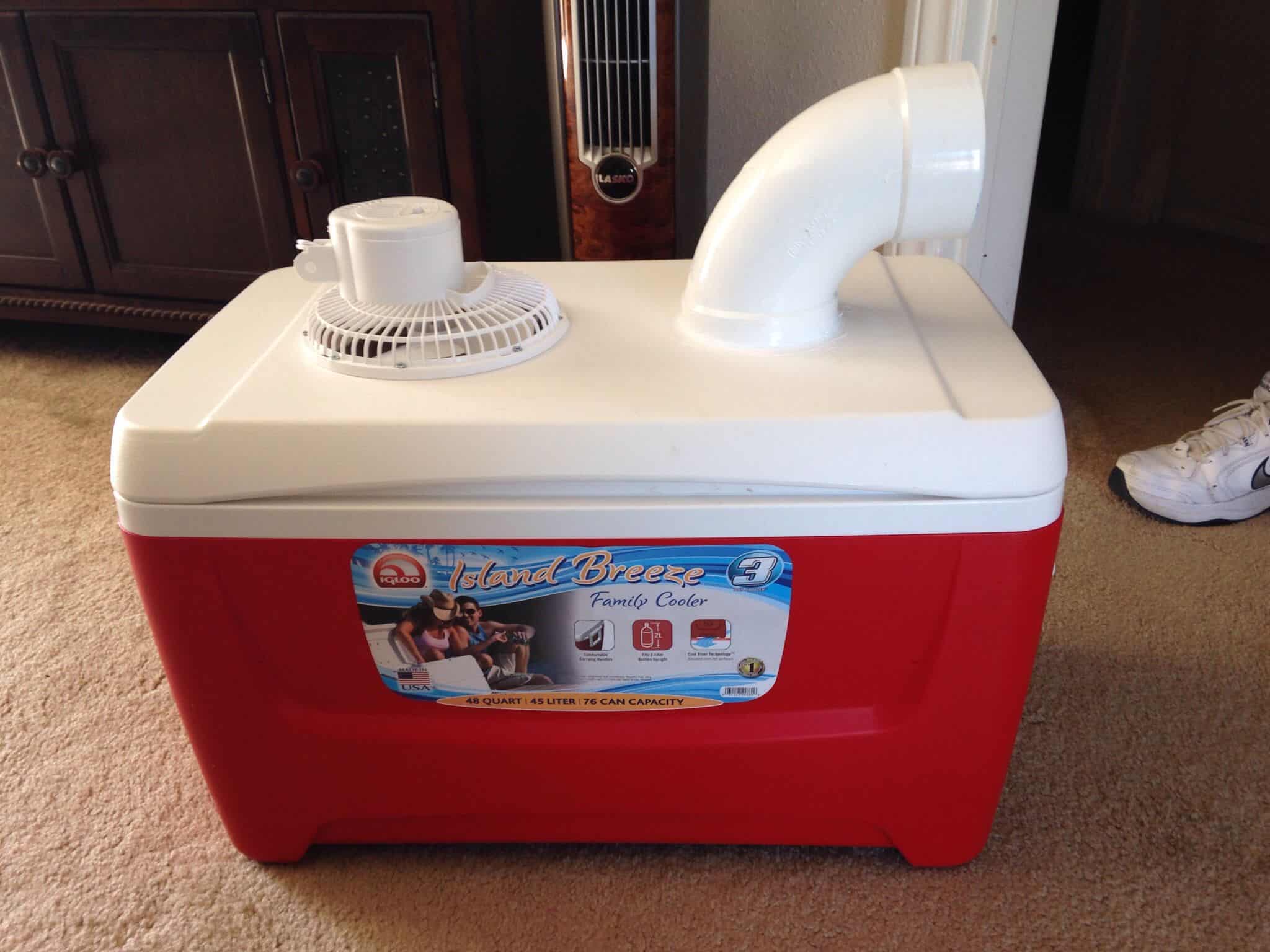
Here are a few practical tips for maximizing your swamp cooler's effectiveness, with or without ice:
- Proper Ventilation: Ensure good airflow in and out of the room you're cooling. Open windows on the opposite side of the room to create a cross breeze.
- Pad Maintenance: Regularly clean or replace your cooler pads. Follow the manufacturer's instructions.
- Water Quality: Use clean water to prevent mineral buildup and scaling.
- Strategic Placement: Position your cooler in a way that maximizes airflow and minimizes obstructions.
- Consider Pre-Cooling: If you live in an area with cool nights, run your swamp cooler at night to pre-cool your home before the heat of the day arrives.
In conclusion, while adding ice to your swamp cooler can provide a temporary cooling boost, focusing on proper maintenance and strategic usage will ultimately yield better and more sustainable results. So, keep those pads clean, keep the air flowing, and enjoy the refreshing coolness of your trusty evaporative cooler!