Can I Plug A Mini Fridge Into A Power Strip

Ah, the trusty mini-fridge. The unsung hero of dorm rooms, home offices, man caves, and really, any spot where a full-sized behemoth just won't do. It promises cold drinks, emergency snacks, and a silent judgment-free zone for your late-night cheese cravings. You get it home, unbox it, and then... the eternal question looms. You eye that perfectly placed, already-loaded power strip. Can you just, you know, plug it in?
It's a scene as old as time itself, or at least as old as mini-fridges and power strips coexisting. You've got your laptop, phone charger, maybe a desk lamp, and suddenly, this hungry little appliance waddles into the picture, demanding its share of juice. It feels so convenient, so right to just slide that plug into an open slot on the strip.
The Power Strip Party: When Too Many Guests Overwhelm the Host
Think of your power strip as a friendly, but ultimately finite, party host. It can handle a certain number of guests (appliances) chilling out and having a good time. Most of those guests, like your phone charger or a lamp, are pretty mellow. They sip their drinks slowly, maybe nibble a chip or two. No biggie.
Must Read
But then, your mini-fridge arrives. And let's be honest, a mini-fridge isn't a mellow guest. It's that friend who shows up with a boombox, a deep fryer, and an insatiable appetite. It's a compressor, people! It kicks on, drawing a significant surge of power, especially when it first starts up. It’s like a sudden, demanding burst of energy, not a gentle hum.
If your power strip host is already juggling a dozen other appliances, adding the mini-fridge is like asking it to suddenly host a rock concert in a broom closet. The host (the power strip) gets overwhelmed, starts to sweat (gets hot), and might even trip over its own feet (flick the circuit breaker). In the worst-case scenario, it could even, well, meltdown. And nobody wants a meltdown at their party, or in their office!
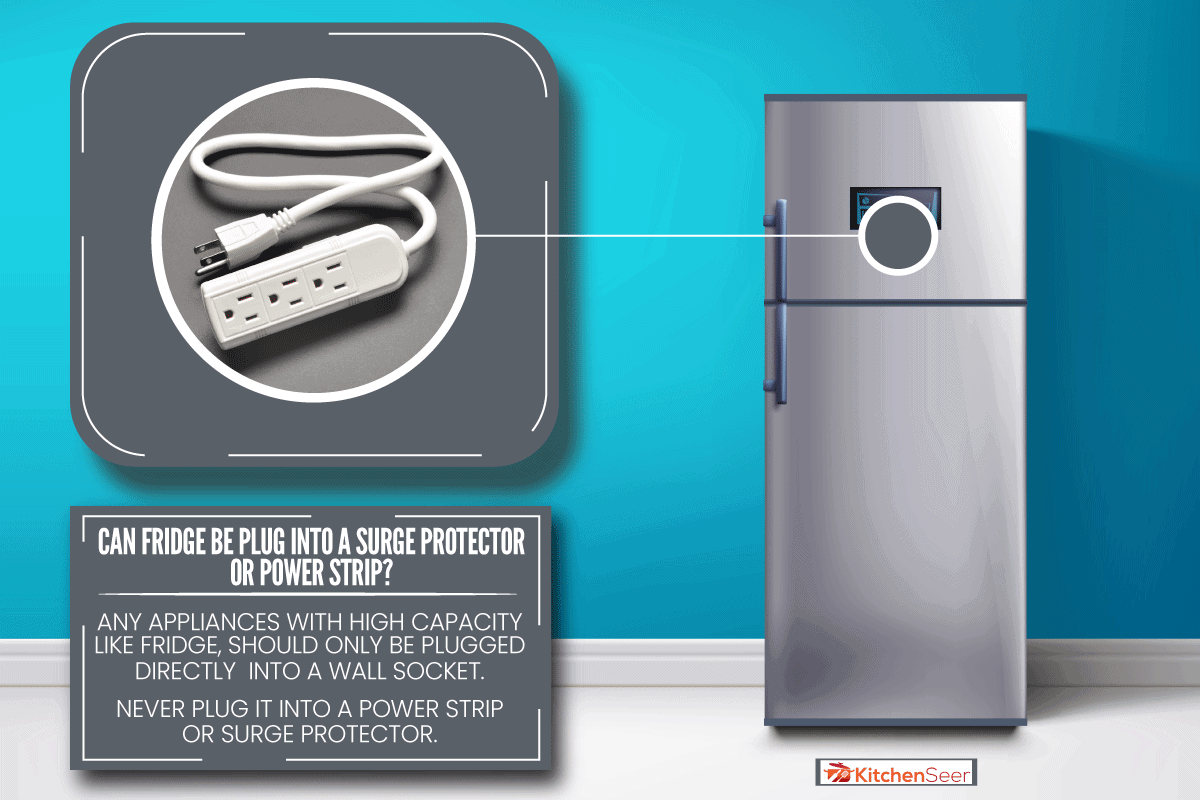
So, Is It an Absolute No-Go?
Not necessarily an absolute, definite, never-ever-under-any-circumstances NO. It's more of a... "proceed with caution, and maybe a little trepidation" kind of situation. It really boils down to two main things: your mini-fridge's appetite and your power strip's capacity to host.
Mini-fridges are often considered "high-draw" appliances. They need a good, steady flow of electricity. They're not like your phone charger, which sips power politely. A fridge gulps it, especially during startup.
The Nitty-Gritty (Without Being Boring)
Here’s the deal: Look for a couple of numbers. On your mini-fridge, check the back or the user manual for its wattage or amperage. On your power strip, you'll usually find its maximum wattage or amperage rating printed somewhere on the back. It's often around 15 amps or 1875 watts.
If your mini-fridge alone is gulping, say, 1.5 amps, and you've already got 10 amps worth of gadgets plugged into your 15-amp power strip, you're sailing pretty close to the wind, my friend. It's like trying to squeeze one more oversized suitcase into an already overflowing car trunk.
When You Might Get Away With It (But Be Smart!)
If you absolutely, positively, must use a power strip, here are some friendly tips:
- Choose a heavy-duty, surge protector power strip. Not one of those flimsy, dollar-store strips that looks like it's made for charging a single AA battery. Invest in quality.
- Make sure it's a direct plug-in. No daisy-chaining! That means no plugging one power strip into another power strip. That's just asking for trouble, like building a house of cards that's already swaying.
- Ideally, the mini-fridge should be the only significant appliance on that particular power strip. Think of it as giving your VIP guest their own dedicated table.
- Listen to your appliances! If the power strip feels warm, smells funny, or if your fridge seems to be struggling, unplug it immediately. Better safe than sorry, and certainly better than a smoky electrical fire.
The Safest Bet? A Wall Outlet!
Honestly, the gold standard, the Beyoncé of power sources for your mini-fridge, is a direct plug into a wall outlet. Wall outlets are generally designed to handle the initial surge and continuous draw of a higher-power appliance. It’s like giving your mini-fridge its own personal red carpet entry, away from the mosh pit of other electronics.
So, next time you're eyeing that power strip, remember the party analogy. Give your appliances the space and power they need. Your cold drinks and peace of mind will thank you. Now go forth and chill responsibly!