
Can Humidity Set Off A Smoke Detector
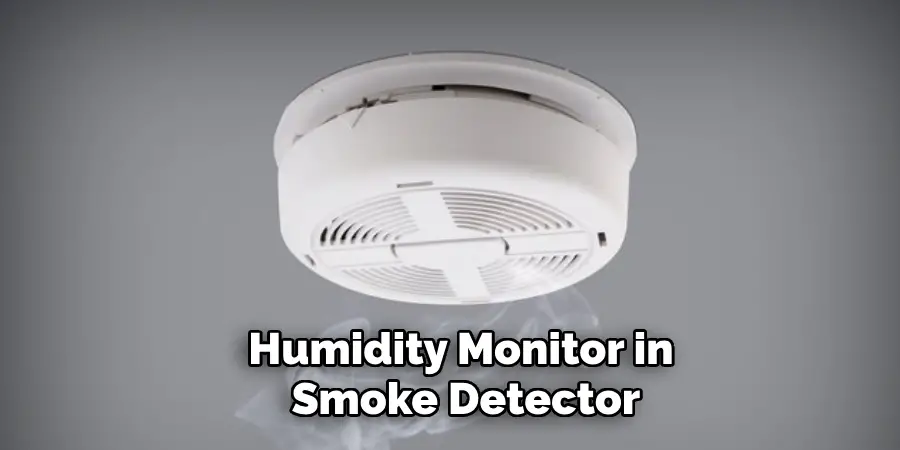
Alright, so picture this: You’re chilling, minding your own business, maybe humming a little tune, when BAM! Your smoke detector decides it’s time for an impromptu concert. And you’re just standing there, hands up, like, "What did I even do?" No fire, no burnt toast (yet!), just... silence. Until that piercing shriek, anyway.
Ever had that happen and immediately think, "Is it... the air? Is it too... moist in here?"
Can Humidity Be a Drama Queen for Your Smoke Detector?
It’s a fair question, right? We’ve all been there, scratching our heads, wondering if our perfectly steamy shower or that incredibly humid summer day just sent our smoke alarm into a panic attack. So, let’s grab a virtual coffee and chat about it, friend.
Must Read
First off, a quick peek behind the curtain: most smoke detectors in our homes are either ionization or photoelectric. Don't worry, we're not getting super techy here. Think of them as tiny, highly sensitive nose-detectives.
The ionization guys? They have this itsy-bitsy radioactive source that creates a small electrical current. When smoke particles waltz in, they disrupt that current, and the alarm goes off. Like, "Excuse me, sir, you're interrupting my flow!"
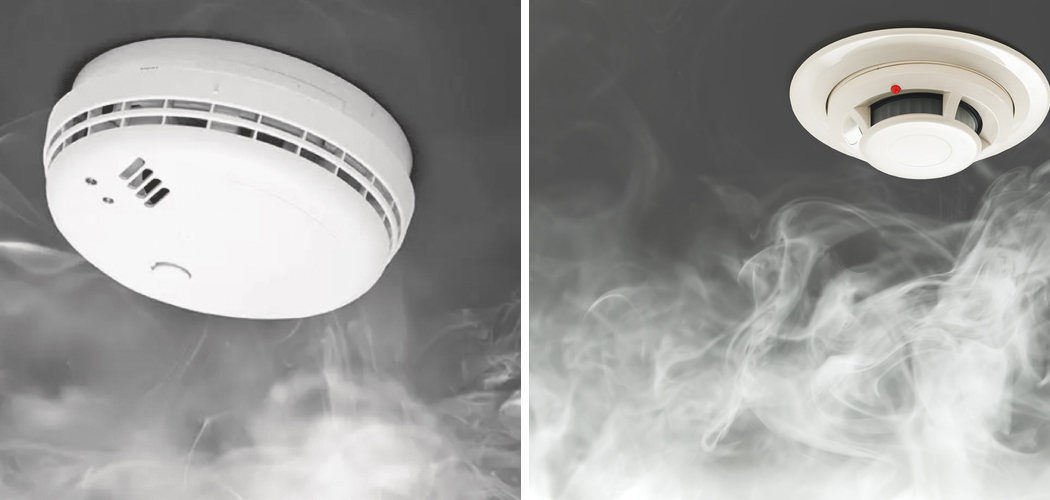
Then there are the photoelectric detectors. These clever clogs have a light beam inside. When smoke enters, it scatters the light, bounces it into a sensor, and ding-ding-ding, alarm time! Pretty neat, huh?
So, What About Pure Humidity?
Now, here's the kicker: For most modern smoke detectors, pure humidity alone is highly unlikely to be the sole culprit for setting off your alarm. I mean, they’re designed to detect actual particles of combustion, not just a bit of extra moisture in the air. Think of it like trying to teach a dog to bark at a cloud – it's just not quite what it's built for.
Our homes, especially in humid climates, often have high humidity levels and our alarms usually keep their cool. So, if your detector is screaming its head off and there’s no visible steam or smoke, a humidity spike probably isn't the direct reason.
But Wait, There's a "But"...! (Of Course There Is!)
While humidity itself might not be the villain, what often comes with humidity? You guessed it: steam!
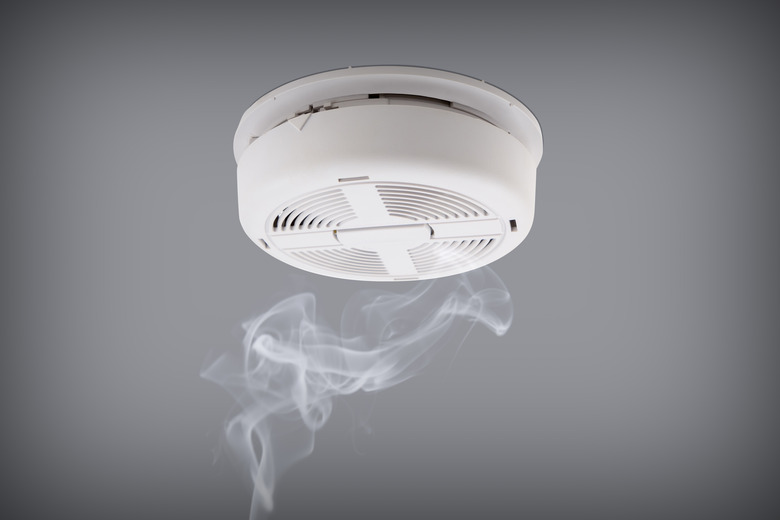
Ah, steam. The true drama llama. That glorious, hot, dense cloud from your shower or that vigorously boiling pot of pasta? That’s often the real troublemaker. Steam contains tiny water particles that can be dense enough to confuse both types of detectors.
The ionization type might see those dense water particles as smoke disrupting its current. And the photoelectric one? Those tiny water droplets can scatter its light beam just like smoke would. It's an honest mistake, really. Poor little guy just thinks you're having a kitchen fire when you're just making mac 'n' cheese!
Ever opened the bathroom door after a super hot shower and immediately regretted it as the detector started wailing? Yeah, me too. That's steam, my friend, playing a very convincing role as a fire hazard.
Other Sneaky Suspects (Besides Steam!)
So, if it’s not just the general mugginess, and you swear there’s no steam, what else could be causing those random wake-up calls?

- Dust Bunnies of Doom: Yup, those fluffy little invaders can sometimes collect inside the detector's sensing chamber. A big enough dust bunny or even accumulated dust can trigger the alarm, especially if it gets dislodged. It's like a tiny, dusty ghost!
- Pesky Pests: A little fly or spider deciding your smoke detector is the perfect new condo? Yeah, their tiny bodies can interrupt the sensors too. Gross, but true!
- Cooking Fumes (Even the "Innocent" Ones): You don't need to burn the bacon for cooking fumes to set off an alarm. Frying, baking, even just intense cooking can release microscopic particles that confuse detectors, especially if they're too close to the kitchen.
- Chemical Vapors: Strong cleaning products, paint fumes, or aerosols can sometimes be the culprit.
- Old Age & Battery Issues: Sometimes, the alarm is just tired. Smoke detectors don't last forever (usually 8-10 years). And a dying battery often lets out an annoying chirp, but a faulty sensor from age can also cause random full alarms.
How to Keep Your Detector Zen
So, what's a person to do? You can’t exactly stop showering or boiling water, right?
Here are a few friendly tips:
- Placement is Key: Try to keep smoke detectors out of direct line of sight from showers or cooking areas. Place them at least 10 feet away if possible.
- Ventilation, Ventilation, Ventilation: Use your bathroom fan, open a window while cooking, or crack the door after a shower to let that steam escape before it gets to the alarm.
- Give 'Em a Clean: Gently vacuum around your smoke detectors (but don't open them up unless the manual says so!). This can help clear out dust and bug bits.
- Test Regularly & Replace When Needed: Push that test button monthly! And remember to replace the whole unit every 8-10 years. They have an expiration date, just like milk, but for safety!
So, while humidity itself isn't usually the villain in our smoke detector dramas, the things that often come with it—hello, steamy showers!—can definitely play tricks. Next time your alarm starts its operatic performance, take a deep breath (and maybe open a window) before you panic. It's probably just a little case of mistaken identity!