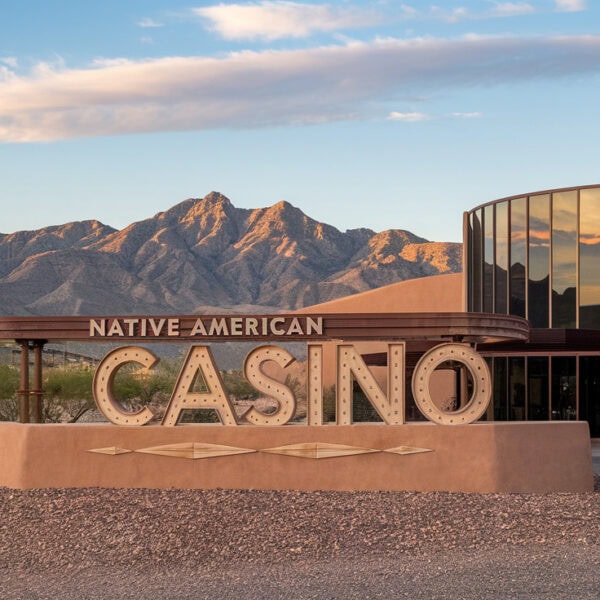
Can Casinos Only Be On Native Land

Let's face it, the allure of a casino is undeniable. The flashing lights, the clatter of chips, the palpable tension – it's a world away from the everyday grind. For many, it's a form of entertainment, a chance to test their luck, and perhaps even strike it rich. Whether you're drawn to the strategic depths of poker, the instant gratification of slots, or the communal excitement of roulette, casinos offer a unique and captivating experience.
But have you ever stopped to wonder where these glittering establishments can actually exist? You might have heard whispers about casinos being exclusively on Native American land. Is this just a myth, or is there a solid legal foundation behind it?
The answer, like most legal matters, is a bit complex. While it's true that a significant number of casinos in the United States are located on Native American reservations, it's not accurate to say that they can only be there. The legal basis for this lies in the Indian Gaming Regulatory Act (IGRA) of 1988. This federal law allows federally recognized Native American tribes to conduct gaming activities on their sovereign land, subject to certain regulations and compacts (agreements) with the states in which they reside.
Must Read
IGRA was enacted for a few crucial reasons. Primarily, it aimed to promote tribal economic development, self-sufficiency, and strong tribal governments. The revenue generated from gaming operations often funds vital services like education, healthcare, housing, infrastructure, and cultural preservation programs within the tribal community. This can significantly improve the quality of life for tribal members and help preserve their heritage. Furthermore, IGRA aimed to protect tribal gaming from organized crime and ensure fair gaming practices.

Think about it: Without the income from casinos, many Native American tribes would struggle to provide basic necessities to their members. These casinos aren't just places to gamble; they're engines of economic development that empower tribes to determine their own futures. This is a powerful example of how legal frameworks can be used to address historical injustices and promote self-determination.
However, outside of Native American lands, commercial casinos are permitted in many states, subject to state and local laws. These casinos aren't governed by IGRA, but by the specific regulations established by the state in which they operate. Think of Las Vegas, Atlantic City, or even your local riverboat casino – these are all examples of commercial casinos operating under state jurisdiction.

So, how can you enjoy casinos responsibly and effectively, regardless of where they're located? First and foremost, set a budget and stick to it. Treat gambling as entertainment, not as a source of income. Secondly, understand the games you're playing. Don't blindly bet; learn the rules, the odds, and develop a strategy. Online resources and even casino staff can be valuable sources of information. Finally, remember to take breaks, stay hydrated, and most importantly, know when to stop. Gambling should be fun, not stressful.
The next time you visit a casino, take a moment to appreciate the complex legal and economic landscape that makes it possible. Whether it's on Native American land, contributing to tribal sovereignty, or a commercial venture providing entertainment and jobs, casinos play a significant role in our society. Just remember to gamble responsibly and have a good time!