
Can Carbon Monoxide Detectors Go Off For No Reason

Okay, let's be real. We've all been there, or at least heard the harrowing tale. It's 3 AM. You're deep in dreamland, probably fighting a dragon or trying to find your car in a giant parking lot when suddenly, a shrill, insistent BEEP-BEEP-BEEP-BEEP slices through the quiet like a samurai sword through... well, quiet. Your heart does a little triple-axle jump, landing somewhere near your throat. It's the carbon monoxide detector. Again.
You stumble out of bed, adrenaline pumping, mentally listing all the potential CO sources in your house: furnace, water heater, gas stove... all off. You open windows, maybe even drag the dog outside just in case (he looks profoundly confused, bless him). After 20 minutes of frantic searching and finding absolutely nothing, the alarm just... stops. Silence. You crawl back into bed, thoroughly rattled, wondering, "Did that thing just go off for
If that little slice of domestic drama sounds familiar, you, my friend, are not alone. That bizarre moment when a critical safety device, designed to literally save your life, seems to scream wolf when there’s no wolf in sight. It begs the question, doesn't it?
Must Read
Is There Really No Reason? (Spoiler: Usually, There's One)
Here’s the short, slightly disappointing answer: True "no reason" alarms are incredibly rare. Like, Bigfoot riding a unicycle rare. More often than not, what feels like a random, unwarranted shriek from your CO detector actually has a perfectly logical (if sometimes subtle) explanation. Your detector isn't trying to troll you, I promise.
Let's dive into some of the more common culprits behind those mysterious midnight serenades. Because understanding why it might be yelling can help you figure out what to do next – besides just muttering existential threats at the little plastic box.

So, What's the Dealio? Let's Break It Down.
1. The Dreaded Low Battery Chirp: Ah, the classic. This one isn't the full-blown alarm, but it's often mistaken for it, especially when you’re half-asleep and your brain isn't fully computing. A single, distinct chirp every 30-60 seconds is usually your detector begging for a fresh set of AAs.
2. End-of-Life Warning: Yep, these gadgets don't last forever. Most carbon monoxide detectors have a lifespan of about 5-7 years. When they reach the end of their service life, they'll often emit a specific series of beeps or flash a light to let you know it's time for retirement. This isn't a CO alarm, but a "please replace me now" alarm. Check the back of your unit for a manufacturing date or an expiry date. If it's past its prime, it's time for a new one. Think of it as its swan song, a final goodbye.
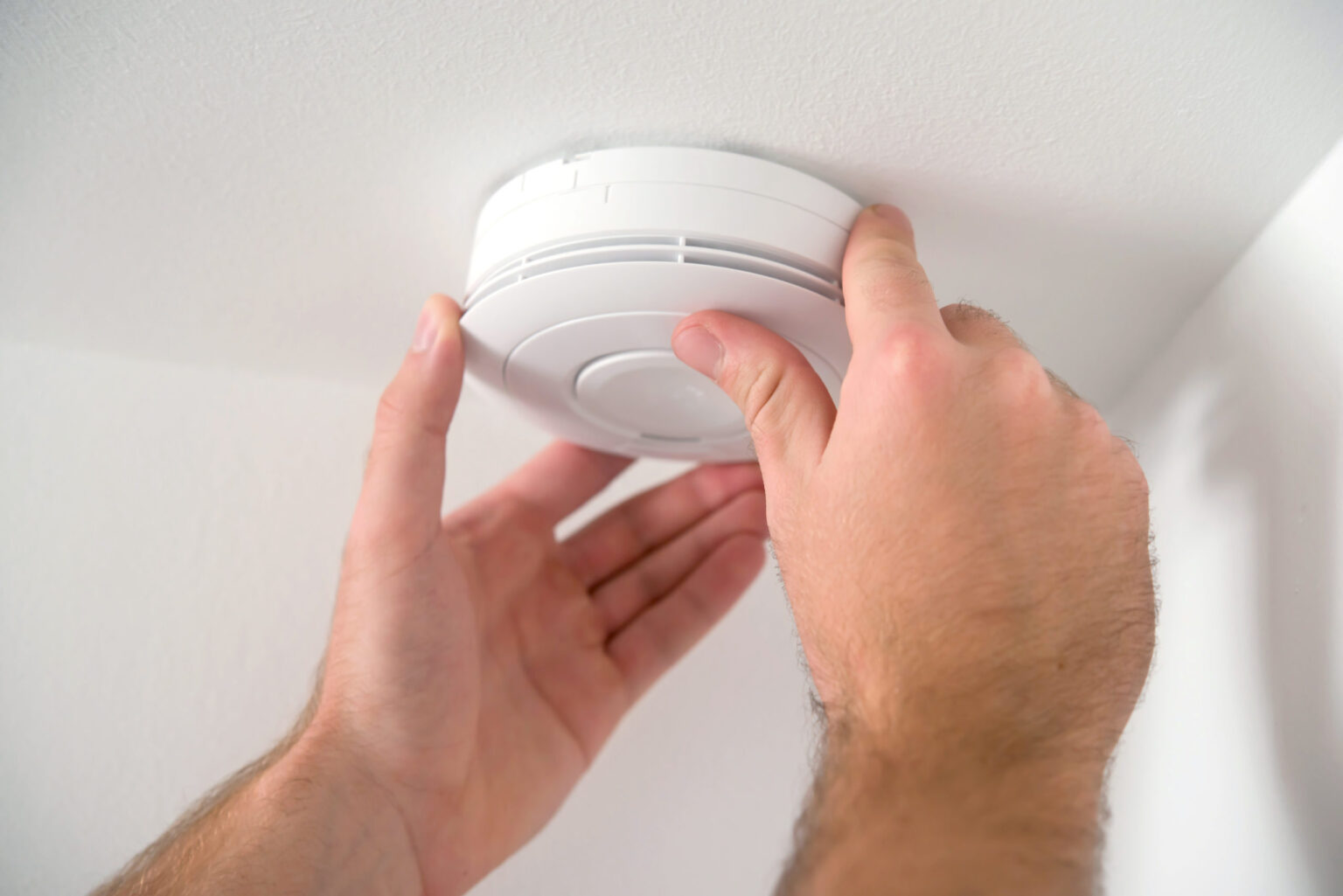
3. Cross-Reactivity from Other Gases or Substances: This is where things get a bit more interesting, and where the "no reason" feeling often originates. While modern CO detectors are quite specific, some older or cheaper models can be fooled by other things in the air. We're talking:
- Strong cleaning products: Think oven cleaner, harsh solvents, or even very strong air fresheners.
- Aerosol sprays: Hair spray, deodorants, insect repellents – a cloud of these directly near the sensor can sometimes trigger a response.
- Paint fumes: If you've just repainted a room, the VOCs (volatile organic compounds) released can, on rare occasions, be mistaken for CO by some sensors.
- High humidity or steam: Believe it or not, excessive moisture, especially if the detector is placed too close to a bathroom or kitchen, can sometimes interfere with the sensor.
- Hydrogen gas: This one's rarer, but hydrogen can sometimes trick a CO sensor. Sources include leaky batteries (yes, even a small leak), or some industrial cleaners.
So, before you panic, ask yourself:
4. Dust and Debris: Like any electronic gadget, a build-up of dust, lint, or even tiny insects can sometimes get into the sensor chamber and mess with its readings. It's like having gunk in your ear – suddenly, everything sounds a bit off. A gentle vacuuming around the vents (without opening the unit!) might help.
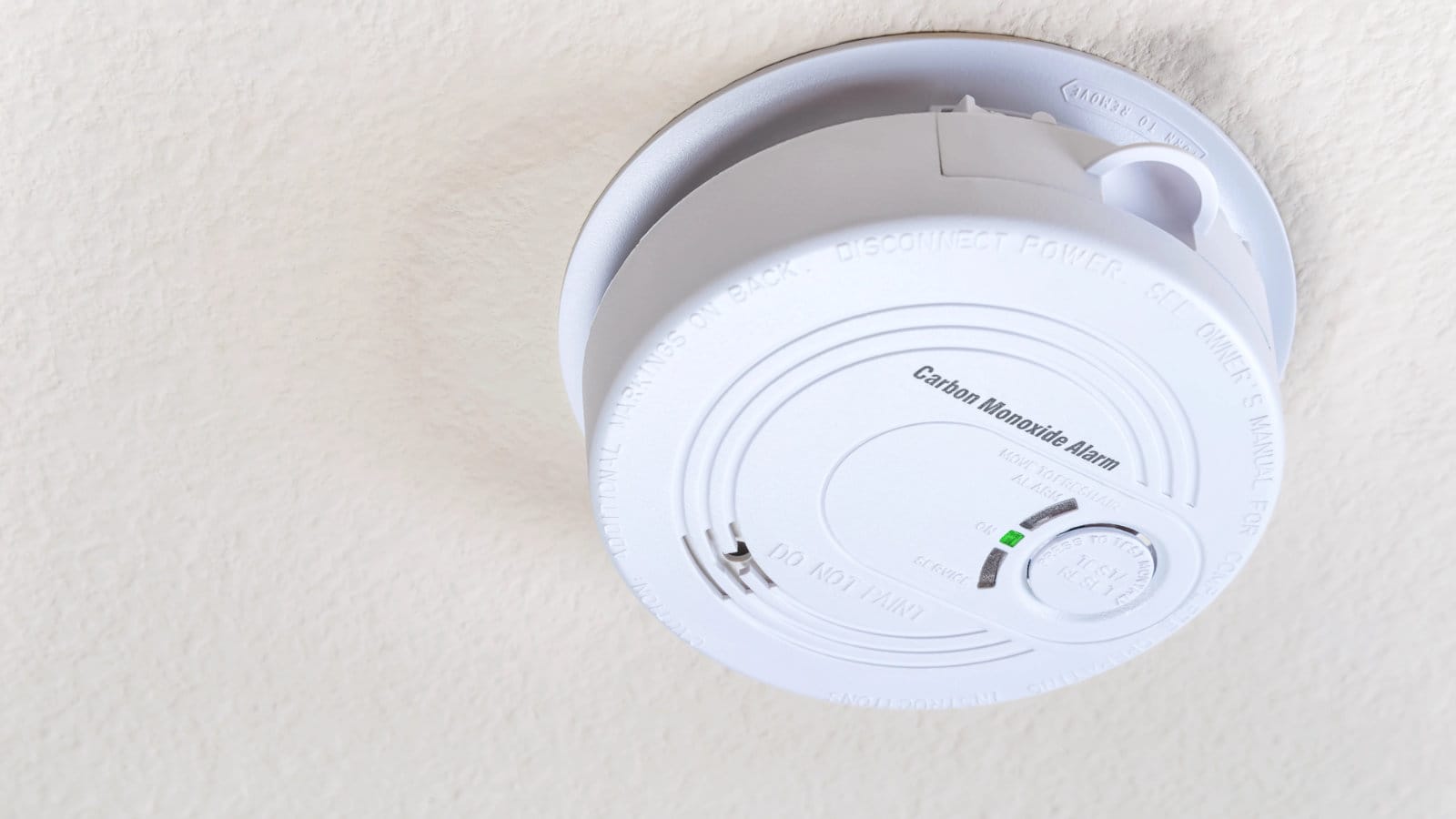
5. Improper Placement: Location, location, location! If your CO detector is too close to a gas appliance (like a furnace, water heater, or stove), it might pick up tiny, non-harmful traces of CO that are released during start-up or shut-down. Or, if it's too close to a vent, a sudden gust of air could cause a temporary disturbance.
6. Actual Low-Level Carbon Monoxide: This is perhaps the most important "false alarm" to consider. Sometimes, the detector isn't going off for no reason at all. It's doing its job! You might have a very low level of CO that quickly dissipates, or a transient issue (like a brief backdraft from your furnace or water heater) that's hard to trace. The sensor picked it up, sounded the alarm, and then the levels dropped before you could find the source. This isn't a false alarm; it's a successful warning!

When the Siren Screams: Your Next Move
Regardless of whether you suspect a false alarm, the golden rule remains:
- Evacuate everyone immediately: Get out of the house and stay out. Don't forget pets!
- Call 911 or your local fire department: They have specialized equipment to detect CO levels and can safely investigate. Do NOT go back inside until they tell you it's safe.
- Do NOT assume it's a false alarm: Even if you've had one before, you simply cannot take the risk. Carbon monoxide is tasteless, odorless, and invisible – the silent killer.
The Bottom Line (Spoiler: There's Usually a Reason)
So, can carbon monoxide detectors go off for no reason? In almost all cases, no. There's usually a detectable cause, even if it's not CO itself, or a transient CO spike that's quickly cleared. They're designed to be extremely sensitive and err on the side of caution – and frankly, that's exactly what you want from a device that's meant to protect you from a deadly, undetectable gas.
The next time that shrill beeping jolts you awake, take a deep breath (outside the house, please!). Follow the safety protocols, then troubleshoot the likely culprits. More often than not, you'll find it wasn't a mischievous ghost, but simply a diligent little device doing its very best to keep you safe. And for that, we can all be grateful, even at 3 AM.