Can A Smoke Detector Detect Carbon Monoxide
Hey there, fellow homebody! Let’s talk about that little disc on your ceiling, the one that usually only gets your attention when the toaster gets a bit ambitious. We're talking about your smoke detector. It’s a true household hero, but have you ever found yourself wondering if it's pulling double duty, perhaps sensing something more sinister than just burnt popcorn? Specifically, can a smoke detector detect carbon monoxide?
It’s a great question, and one that often pops up in discussions about home safety. After all, both smoke and carbon monoxide are invisible threats, right? You want to feel secure in your sanctuary, and a single gadget handling all the danger seems rather efficient. So, let’s clear the air, quite literally.
The Big Reveal: A Tale of Two Detectors
Here's the straight-up truth: A standard smoke detector cannot detect carbon monoxide. Nope, not even a little bit. It's like asking your coffee maker to brew tea – it's designed for a specific job, and it does that job beautifully, but that’s it.
Must Read
Think of it this way:
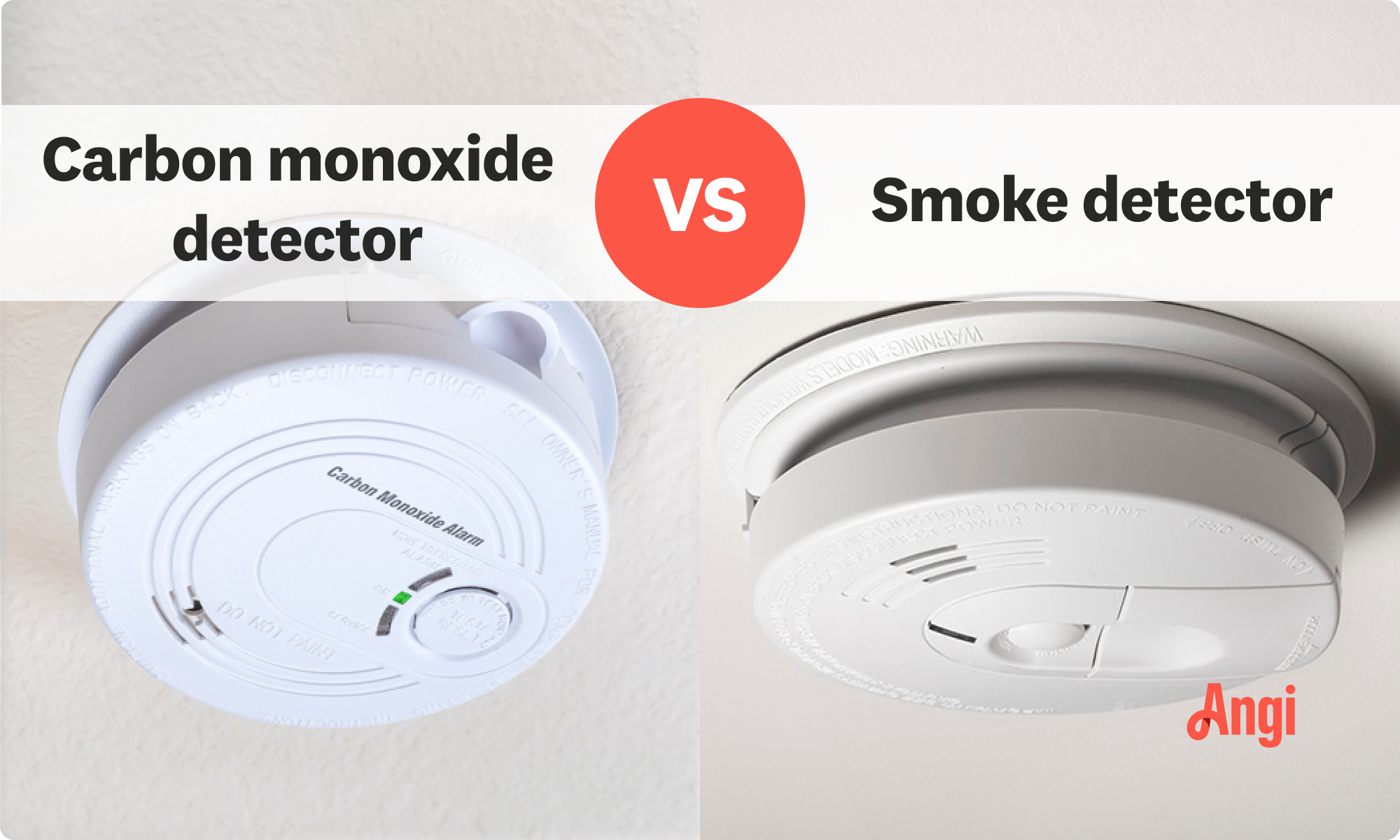
- A smoke detector is specifically engineered to identify tiny particles of smoke in the air. Whether it’s an ionization type (which detects invisible combustion particles) or a photoelectric type (which senses visible smoke particles), their primary mission is to alert you to a fire. They’re looking for physical matter.
- A carbon monoxide (CO) detector, on the other hand, is built to detect the presence of a specific, poisonous gas. It uses an electrochemical sensor that reacts with CO molecules. It’s looking for a chemical signature, not physical particles.
It’s a crucial distinction because, while both are serious threats, they require different detection technologies. It's like needing glasses to see and a hearing aid to hear – different senses, different tools.
Why Carbon Monoxide Needs Its Own VIP Treatment
Carbon monoxide is often called the "silent killer" for a very good reason. It’s colorless, odorless, and tasteless. You literally won't know it's there until symptoms start to appear, and by then, it can be too late. Sources can be common household items like faulty furnaces, gas stoves, fireplaces, water heaters, or even cars left running in an attached garage.
A fun (but scary) fact: CO poisoning is sometimes mistaken for the flu because early symptoms like headaches, dizziness, nausea, and fatigue are so similar. But unlike the flu, CO binds to your blood's hemoglobin 200 times more effectively than oxygen, essentially suffocating your cells. Yikes!
The Smart Solution: Combination Units!
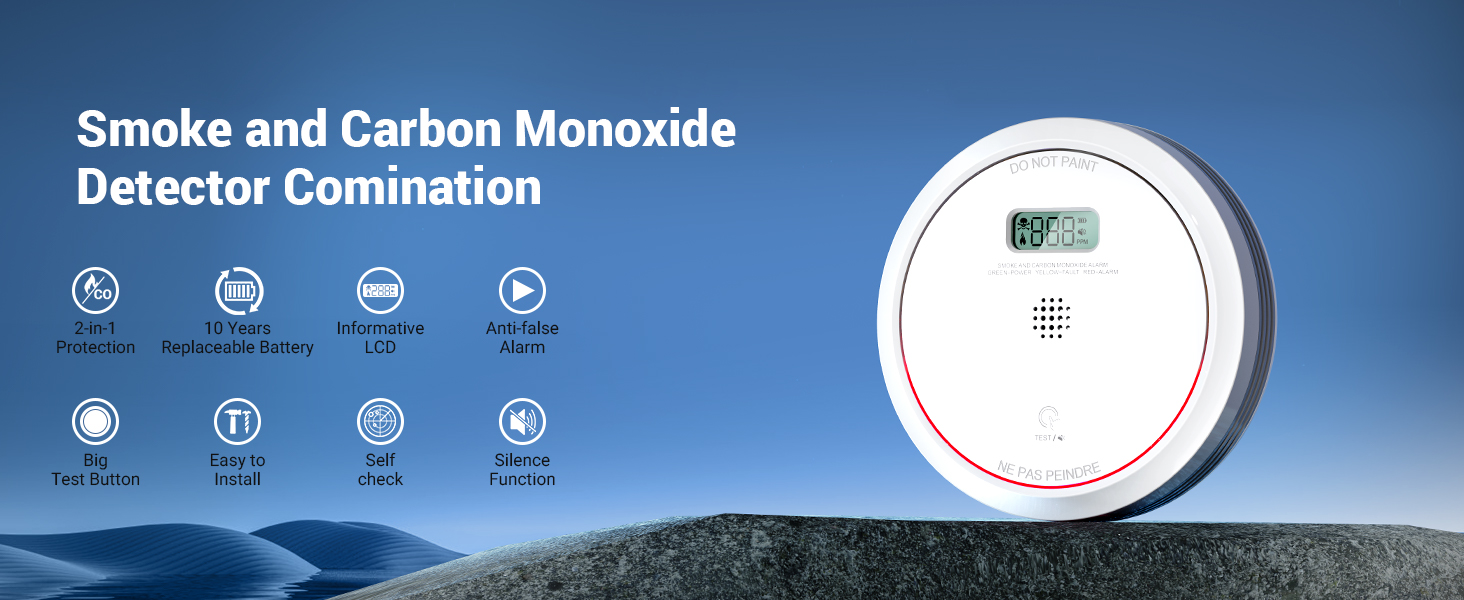
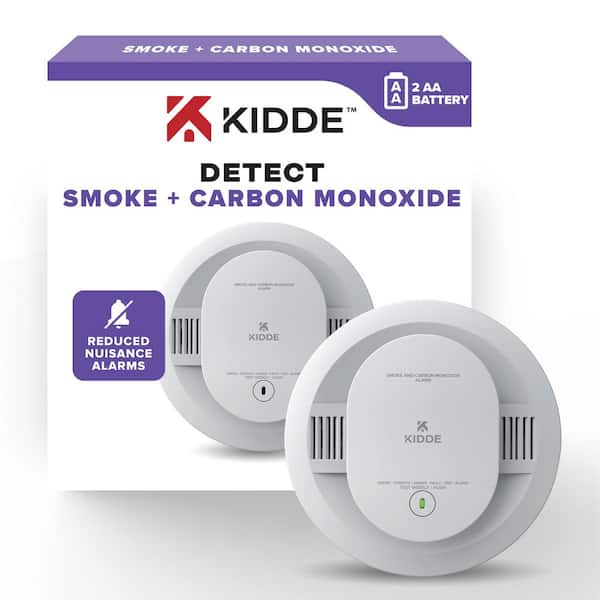
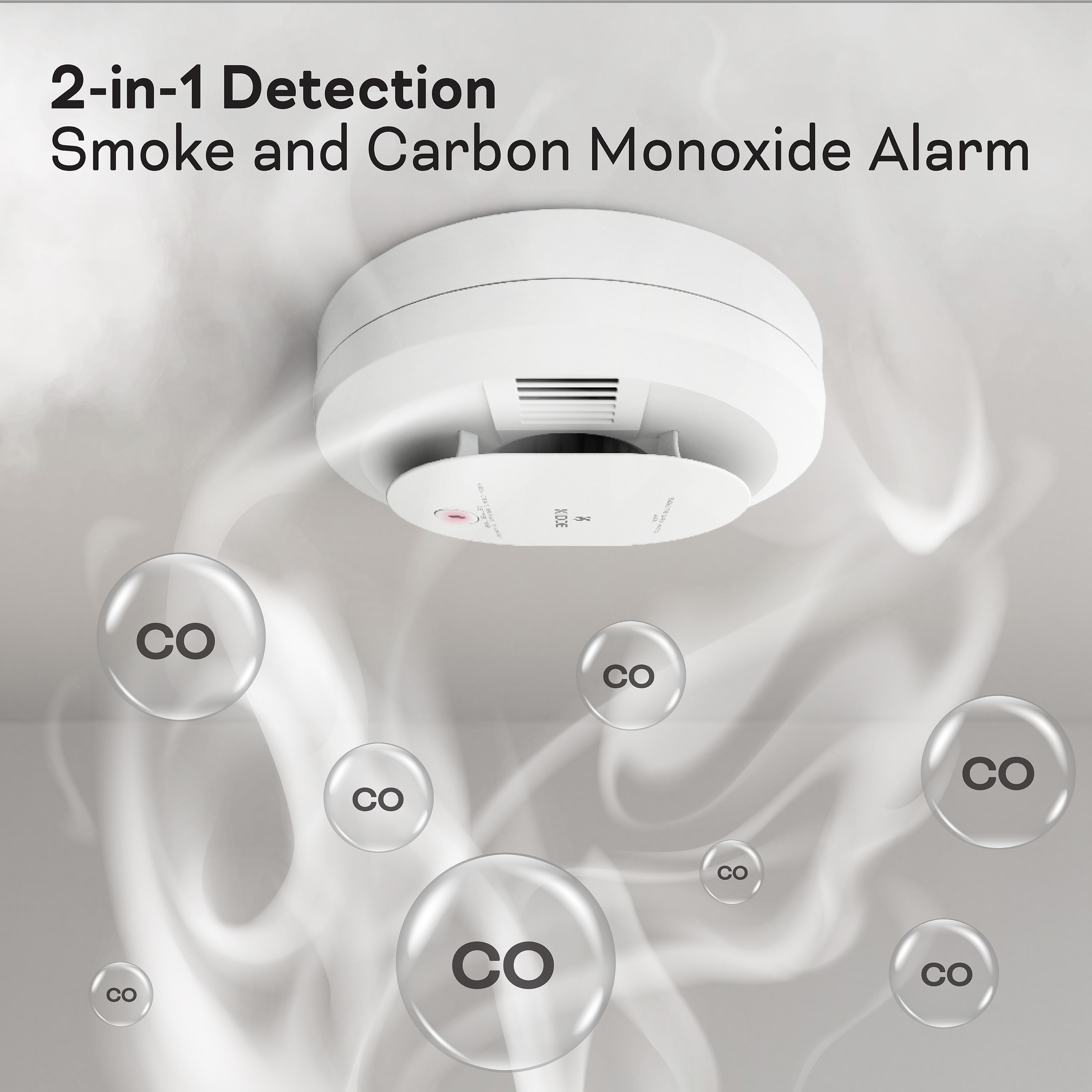
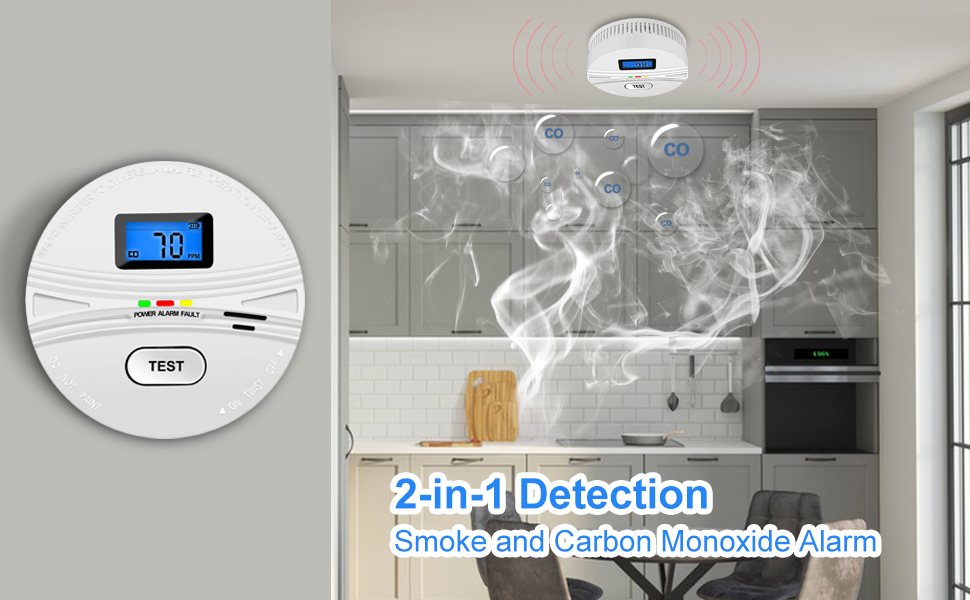
Now, before you panic and start thinking you need to deck out every room with multiple gadgets, there’s a fantastic, modern solution: combination smoke and carbon monoxide detectors. These clever devices house both types of sensors in one sleek unit. They’re like the superhero of home safety, handling two major threats in one go.
Many homes today are opting for these dual-purpose detectors, and for good reason. They offer convenience, reduce clutter, and ensure you’re covered for both fire and CO poisoning.
Practical Tips for a Safer Home Sweet Home
So, what’s your actionable takeaway from all this?
- Check Your Current Devices: Take a peek at your existing smoke detectors. Do they explicitly say "CO" or "Carbon Monoxide" on them? If not, they're likely just smoke detectors.
- Invest in CO Detection: If you don't have dedicated CO detectors or combination units, now is the time to get some. Place them near sleeping areas and on every level of your home. If you have fuel-burning appliances, consider one near those as well.
- Test Them Regularly: Just like you test your smoke alarms monthly, hit that test button on your CO detector (or combination unit). A good rule of thumb: "Change your clocks, change your batteries" if they're battery-operated.
- Know Their Lifespan: Detectors aren’t forever! Smoke alarms typically last about 10 years, while CO detectors usually have a lifespan of 5-7 years. After that, their sensors can degrade. Check the manufacturing date on the back of your unit!
- Know What to Do: If a CO alarm goes off, get everyone out of the house immediately and call 911 or your local fire department. Don't try to find the source yourself.
A Little Peace of Mind Goes a Long Way
In a world where we’re constantly juggling work, family, and the latest binge-worthy show, it’s easy to overlook the small but mighty details of home safety. But understanding the difference between a smoke detector and a carbon monoxide detector isn't just a fun fact for your next dinner party; it's a foundational step towards ensuring your home truly is your safest haven. Taking a few minutes to check your detectors and ensure you have the right protection can offer invaluable peace of mind. After all, knowing your loved ones are safe from unseen threats? That’s living the good life.