
Can A Humidifier Set Off Smoke Detector
Alright, let's get cozy, because we're diving into a question that might have given you a mini heart attack at 3 AM: Can that glorious mist-making machine, your humidifier, actually set off your smoke detector? You know, the one that's supposed to save your sinuses and keep your plants happy, not make you think your kitchen is suddenly on fire. Spoilers: it's a bit of a misty mystery, but we're going to clear the air!
First off, let's be real. There’s nothing quite like the piercing screech of a smoke alarm to jolt you awake, heart pounding, thinking you need to grab the dog and make a dramatic exit. Only to realize… nope, no flames, no burning toast (phew!), just… moisture. Your humidifier, diligently chugging along, just wanted to give your nose a break, not a panic attack. So, what gives?
The Big Question: Is My Humidifier a Secret Arsonist?
Short answer? Technically, it can happen, but it's usually a case of mistaken identity, not an actual fire hazard. Think of it like this: your smoke detector is like a super-sensitive, highly caffeinated security guard. Its job is to detect particles in the air that shouldn't be there. And sometimes, those particles, whether they're from smoke or a dense cloud of humidifier mist, can look pretty similar to our vigilant little sensor friends.
Must Read
How Smoke Detectors Do Their Thing (The Super Simple Version)
Without getting too nerdy, most homes have one of two types of smoke detectors, or sometimes both working together:
- Ionization Detectors: These guys are fantastic at sniffing out fast-flaming fires. They have a tiny bit of radioactive material (don't worry, it's safe!) that creates an electrical current between two plates. When smoke particles enter, they disrupt that current, and BEEP BOOP BEEP! Alarm time!
- Photoelectric Detectors: These are more sensitive to slow, smoldering fires – the kind that produce a lot of visible smoke. They have a light source and a sensor. When smoke enters the chamber, it scatters the light into the sensor, and again, party over, alarm's on!
See the common theme? Particles in the air.
The Humidifier's Role: Giving Your Air a Spa Day
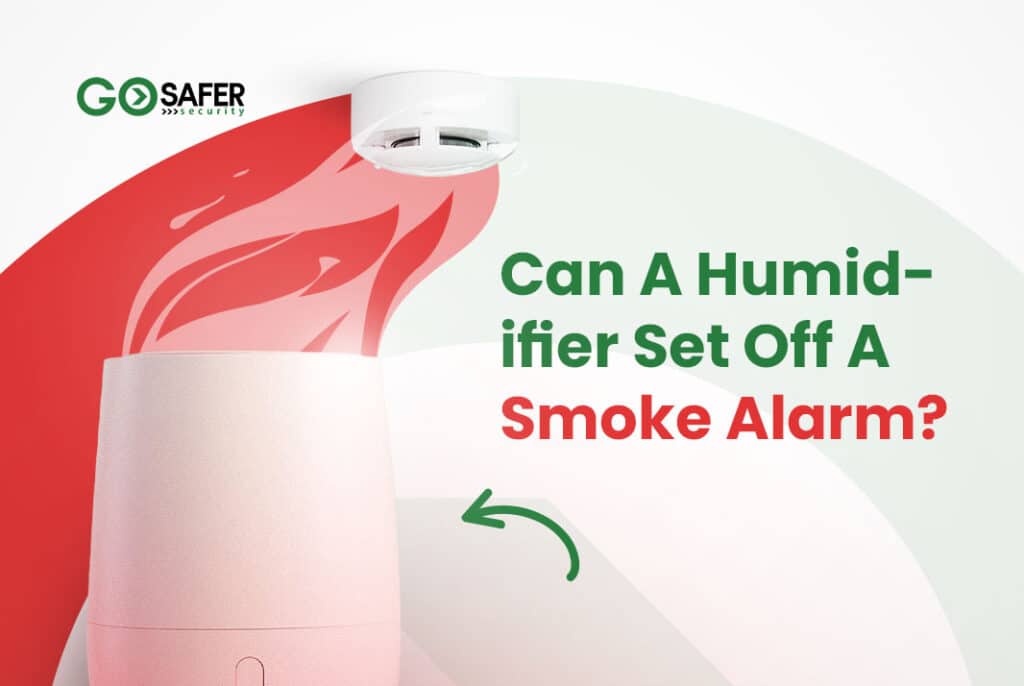
Now, your humidifier is essentially turning water into a fine mist or vapor and releasing it into your room. It's trying to be helpful, honest! Ultrasonic humidifiers, for example, use high-frequency vibrations to create a cool, super-fine mist. Warm mist humidifiers boil water to produce steam. Both release visible moisture into the air.
So, Why the Drama? The Mistaken Identity Crisis
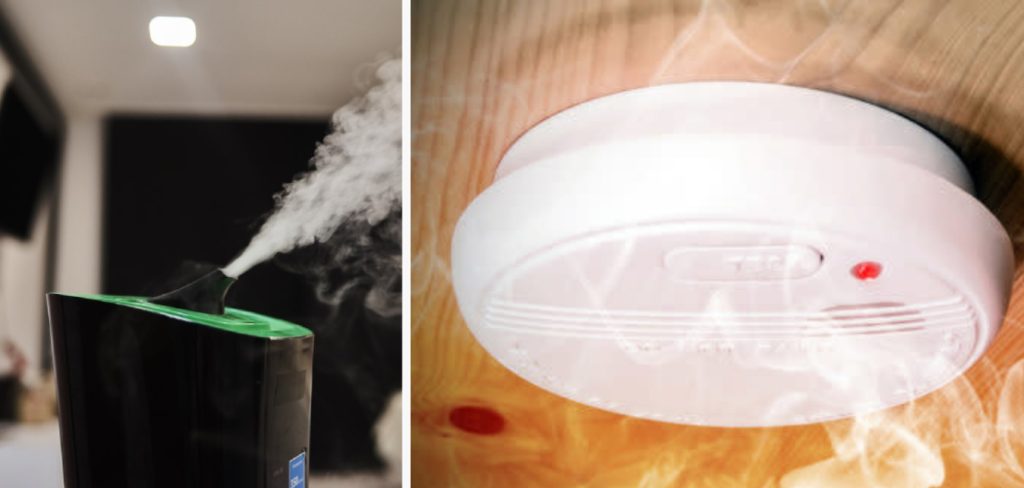
Here’s the deal: that dense, visible mist from your humidifier, especially if it's running on high or is very close to the detector, can sometimes be misinterpreted by your smoke alarm as actual smoke. It’s like when you accidentally walk into a spiderweb – you know it’s not a giant monster, but your brain has a split second of panic, right? Same vibe!
It's not smoke, but it looks like smoke to the detector. This is particularly true for photoelectric smoke detectors because they are designed to be sensitive to visible particles in the air. A thick plume of humidifier mist can scatter light just like smoke does.
Also, if you've got hard water, your humidifier might be putting out a fine white dust – tiny mineral particles. Guess what? Those tiny particles can also trigger an alarm. Oh, the joys of home maintenance!
How to Prevent the Great Humidifier Alarm Scare of 2024
Nobody wants a midnight serenade from their smoke alarm unless it's genuinely saving the day. Here are some pro tips to keep the peace:
- Placement is Key: Don't put your humidifier directly under or super close to a smoke detector. Give it some breathing room! Aim for at least a 6-foot radius, if possible.
- Mind the Output: If your humidifier is gushing mist like a geyser, maybe dial it down a notch. A gentle hum is usually enough to feel the benefits without turning your room into a cloud factory.
- Cleanliness is Godliness: Regularly clean your humidifier. This prevents mold and mildew (yuck!) and also reduces mineral buildup that could contribute to "white dust" emissions.
- Consider Detector Types: If you're constantly battling false alarms, especially with a humidifier nearby, check if your detector is photoelectric. Maybe move it to a different room or consider a dual-sensor alarm that can differentiate better.
- Ventilation Helps: Ensure your room isn't totally sealed up. A little airflow can help disperse the mist before it gets too dense.
- Use Distilled Water: If the "white dust" is the culprit, switching to distilled water can significantly reduce mineral particle emissions. It's a little extra effort, but your lungs (and your smoke alarm's nerves) might thank you!
The Takeaway: Relax, It's (Probably) Not a Fire!
So, can a humidifier set off a smoke detector? Yes, it absolutely can. But rest assured, it’s almost always a false alarm, a misunderstanding between your helpful humidifier and your diligent detector. Your house isn't secretly trying to burn down; it's just getting a little too much moisture love.
The next time your smoke alarm decides to sing its loud, startling song, and you suspect your humidifier is the culprit, remember: take a deep breath, check for actual signs of fire (because safety first, always!), and then perhaps give your humidifier a gentle nudge further away from its overly enthusiastic neighbor. Keep those sinuses happy and those alarms silent, unless they’re truly needed!
Here's to a mist-filled, alarm-free existence! Stay hydrated and stay smiling!
