
Calcification Of The Spleen

Okay, let's talk about something you probably haven't thought about today: your spleen. Specifically, what happens when it gets a little too...crunchy. We're diving into calcification of the spleen, and trust me, it's more interesting than it sounds (promise!).
Think of your body as a bustling city. Every organ has a job, a little niche in the grand scheme of things. The spleen? It's like the city's recycling center and blood bank all rolled into one. It filters out old and damaged blood cells, stores some blood in case of emergencies, and even helps fight off infections. Pretty important stuff, right?
So, What Exactly IS Calcification?
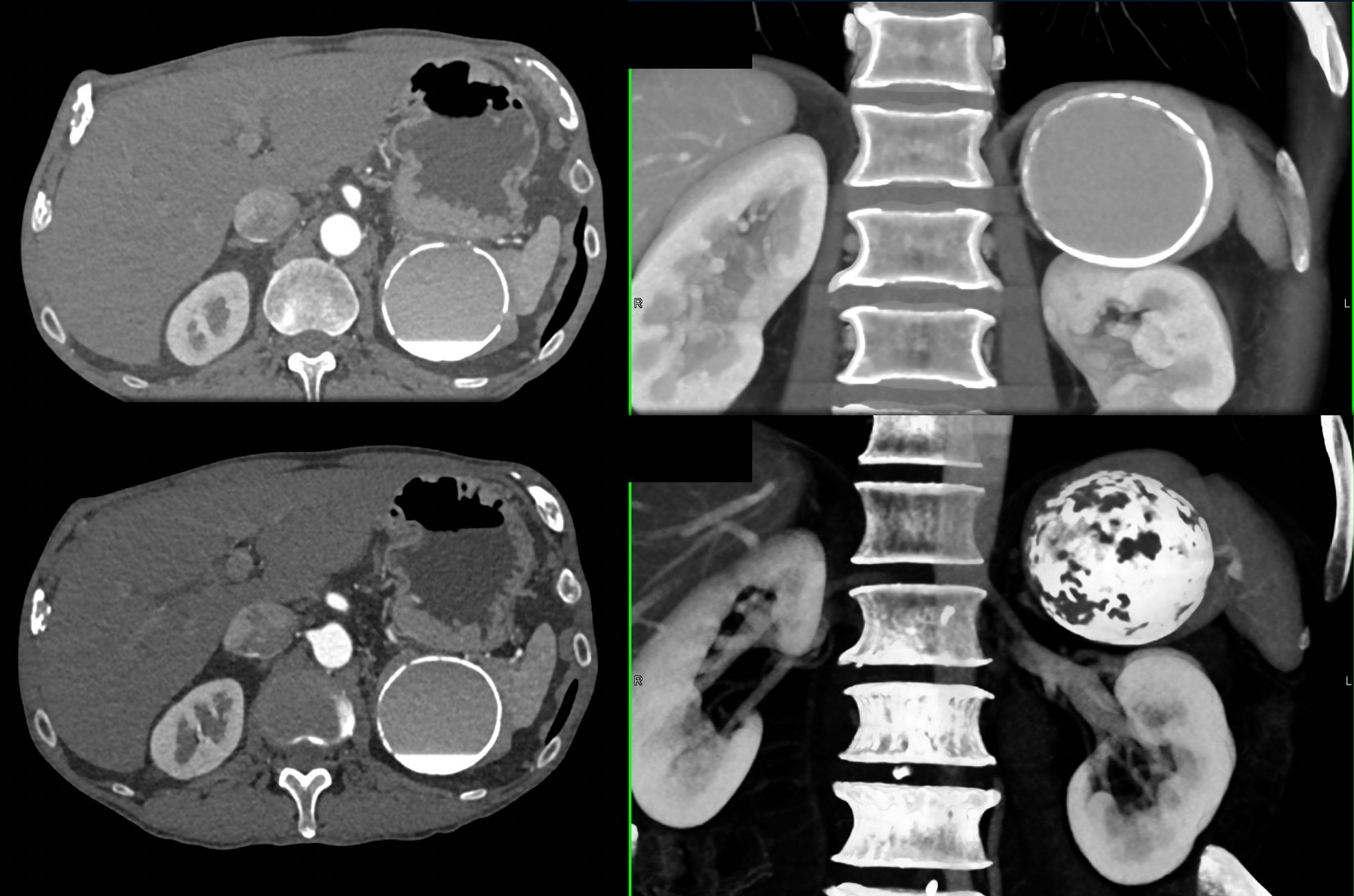
Now, imagine someone decided to start dumping concrete into the recycling bins. That's kind of what calcification is like. It's when calcium deposits build up in a tissue or organ. Calcium, usually our friend for strong bones, decides to party somewhere it shouldn't. In the case of the spleen, these deposits can harden, leading to what we call a calcified spleen.
Must Read
Think of it like this: you accidentally leave a water bottle outside in the winter. The water freezes, expands, and maybe even cracks the bottle. Calcium deposits in the spleen can do something similar – hardening the tissue and potentially affecting its function.
Why Should I Care? (And Why It's Not Always a Big Deal)
Alright, I hear you. "My spleen is calcified? Should I panic?" The answer is usually no. In many cases, calcification of the spleen is discovered incidentally, meaning it's found during an X-ray or CT scan done for some other reason entirely. It's like accidentally finding a hidden ten-dollar bill in your winter coat pocket – surprising, but not necessarily a cause for alarm.

Sometimes, calcification is just a sign that something happened in the past. An old infection, a past injury, or even certain conditions like sickle cell anemia can lead to calcification later on. In many of these cases, the calcification is asymptomatic, meaning it doesn't cause any problems at all. Your spleen might be a little crunchy on the inside, but it's still doing its job just fine.
When Calcification Can Be a Problem
However, there are times when splenic calcification does need attention. If the calcification is extensive or if it's affecting the spleen's ability to function, it can lead to issues. This is less common, but it's important to be aware of. Think of it like a clogged drain. A little hair in the drain is no big deal, but a massive hairball can cause a real backup.
Potential problems could include:

- Spleen enlargement: The spleen might get bigger as it tries to compensate for the calcification.
- Reduced function: The spleen might not be able to filter blood or store blood as effectively.
- Increased risk of infection: A compromised spleen can make you more susceptible to infections.
These are the situations where your doctor might recommend further testing or even treatment.
What Causes Calcification? The Detective Work
So, what puts the "concrete" in your spleen's recycling bins? Here are a few potential culprits:

- Old infections: Histoplasmosis and tuberculosis are two infections that can sometimes lead to splenic calcification. Think of them as leaving behind "scars" on the spleen.
- Granulomatous diseases: These are inflammatory conditions that can cause clumps of immune cells to form, which can then calcify.
- Sickle cell anemia: This genetic blood disorder can damage the spleen over time, leading to calcification.
- Trauma: An injury to the spleen can sometimes lead to calcification as it heals.
Your doctor will likely run tests to try and determine the underlying cause of the calcification. This might involve blood tests, imaging scans, or even a biopsy in rare cases.
What's the Plan? Talking to Your Doctor
If your doctor discovers calcification of the spleen, the most important thing is to have a conversation with them. They'll be able to assess the situation based on your individual circumstances, including:
- The extent of the calcification
- Your symptoms (if any)
- Your medical history
In many cases, no treatment is necessary. Your doctor might simply recommend monitoring the calcification with periodic imaging scans to make sure it's not getting worse. It's like keeping an eye on that slightly wobbly fence post – it might be fine for years, but it's good to check on it every now and then.
If treatment is needed, it will depend on the underlying cause and the severity of the calcification. In rare cases, splenectomy (surgical removal of the spleen) might be considered, but this is usually only when the spleen is severely damaged and causing significant problems.
The Takeaway: Knowledge is Power (and Peace of Mind)
Calcification of the spleen sounds a bit scary, but often it's a harmless finding. The key is to understand what it is, why it might happen, and what to do about it. Don't be afraid to ask your doctor questions and be proactive about your health. After all, you only get one spleen (unless you're a starfish!).
So, next time you think about your internal organs, give your spleen a little nod. It's working hard, even if it's got a few calcium "rocks" inside. And remember, staying informed and communicating with your doctor are the best ways to keep your body's "city" running smoothly.