Blood Sugar 30 Minutes After Eating
:max_bytes(150000):strip_icc()/blood-sugar-levels-after-eating-5118330-DD-V2-4f6a68ee274d4469820c4ad9d71cbd52.jpg)
Let's face it, most of us eat because, well, we enjoy it! Food fuels us, brings us together, and can be a source of immense pleasure. But beyond the immediate gratification of a delicious meal, there's a silent process happening inside our bodies: our blood sugar levels are reacting. Understanding what happens to your blood sugar 30 minutes after eating can be a powerful tool for feeling your best and maintaining long-term health.
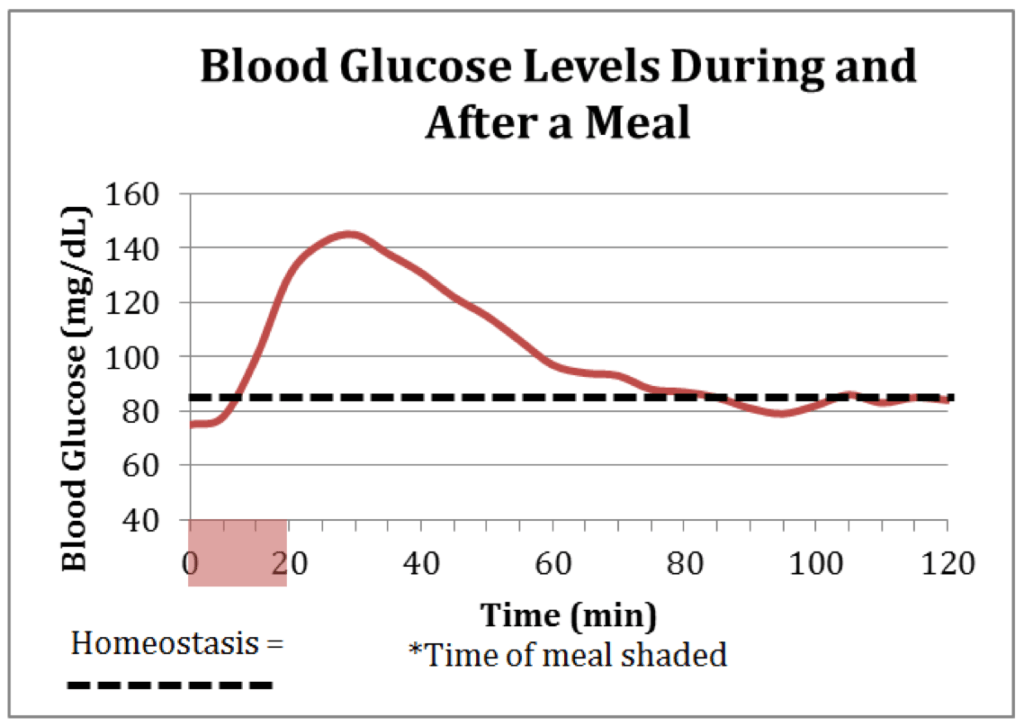
Why should you care about your blood sugar response after a meal? Because it's a window into how efficiently your body is processing the energy from your food. Think of it like this: food is fuel, and your blood sugar is the gas gauge. A healthy response means your body is smoothly converting that fuel into usable energy. An unhealthy response, on the other hand, can lead to energy crashes, mood swings, and, over time, increased risk of chronic diseases like type 2 diabetes. Monitoring your blood sugar can help you understand which foods are your friends and which might be causing unwanted spikes and dips.
So, how is this knowledge applied in everyday life? For individuals with diabetes, monitoring blood sugar levels after meals is crucial for managing their condition and adjusting medication or insulin dosages. But it's not just for those with diabetes. Athletes might track their blood sugar to optimize their performance, understanding how different fuel sources impact their energy levels during training. People trying to lose weight or improve their overall health can use this information to make informed food choices and understand how their bodies react to different macronutrient combinations (protein, carbs, and fats). Even pregnant women are often advised to monitor their blood sugar to ensure healthy fetal development.
Must Read
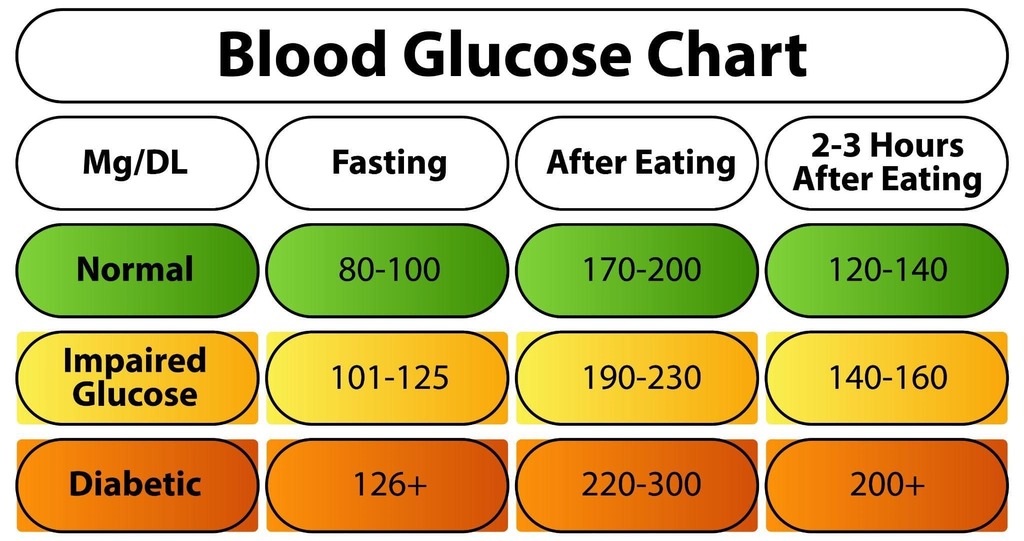
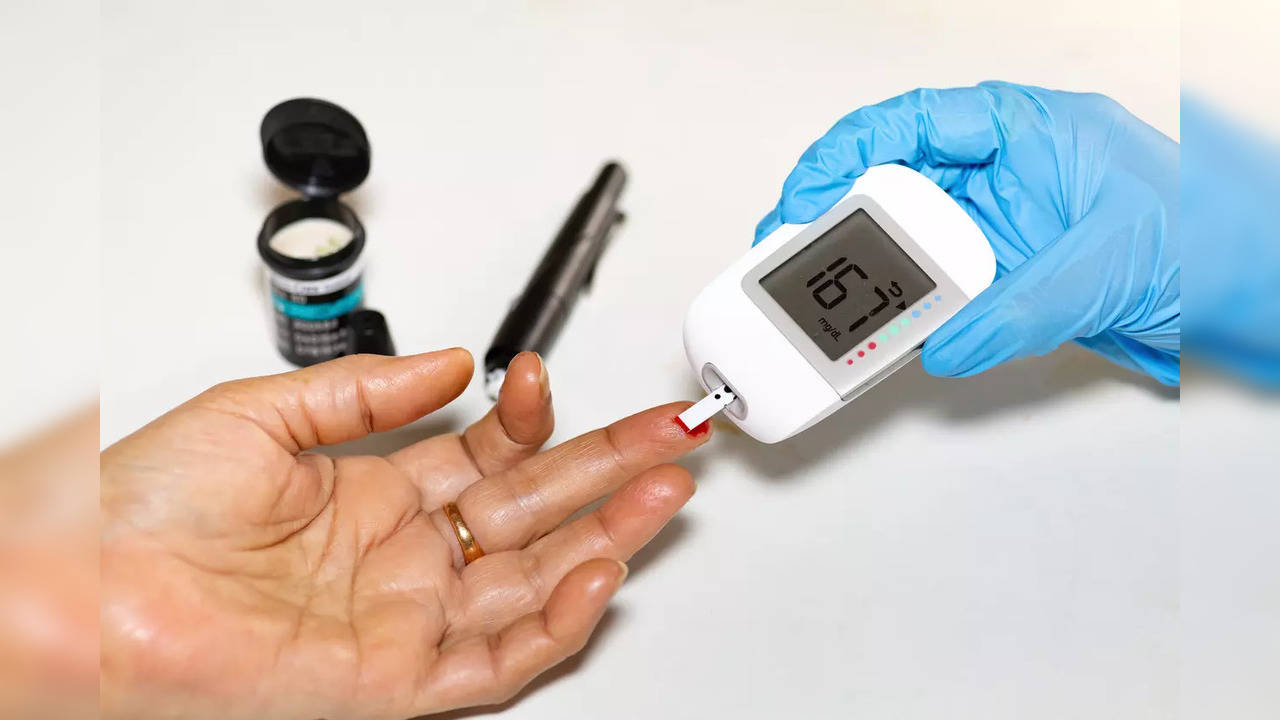
Common examples include using a continuous glucose monitor (CGM), which provides real-time blood sugar readings, or using a traditional blood glucose meter to check levels 30 minutes, or sometimes an hour, after starting a meal. The key is consistency in timing and understanding what a healthy range looks like for you. A healthcare professional can help you determine your target range.
Want to enjoy (and benefit from) tracking your post-meal blood sugar more effectively? Here are some practical tips:
- Prioritize whole, unprocessed foods: These foods tend to have a slower, more gradual impact on blood sugar compared to highly processed foods.
- Combine carbohydrates with protein and healthy fats: This helps to slow down the absorption of sugar into the bloodstream. Think apple slices with peanut butter instead of just an apple.
- Be mindful of portion sizes: Even healthy foods can cause a blood sugar spike if you eat too much of them at once.
- Stay hydrated: Drinking plenty of water helps your body process glucose more efficiently.
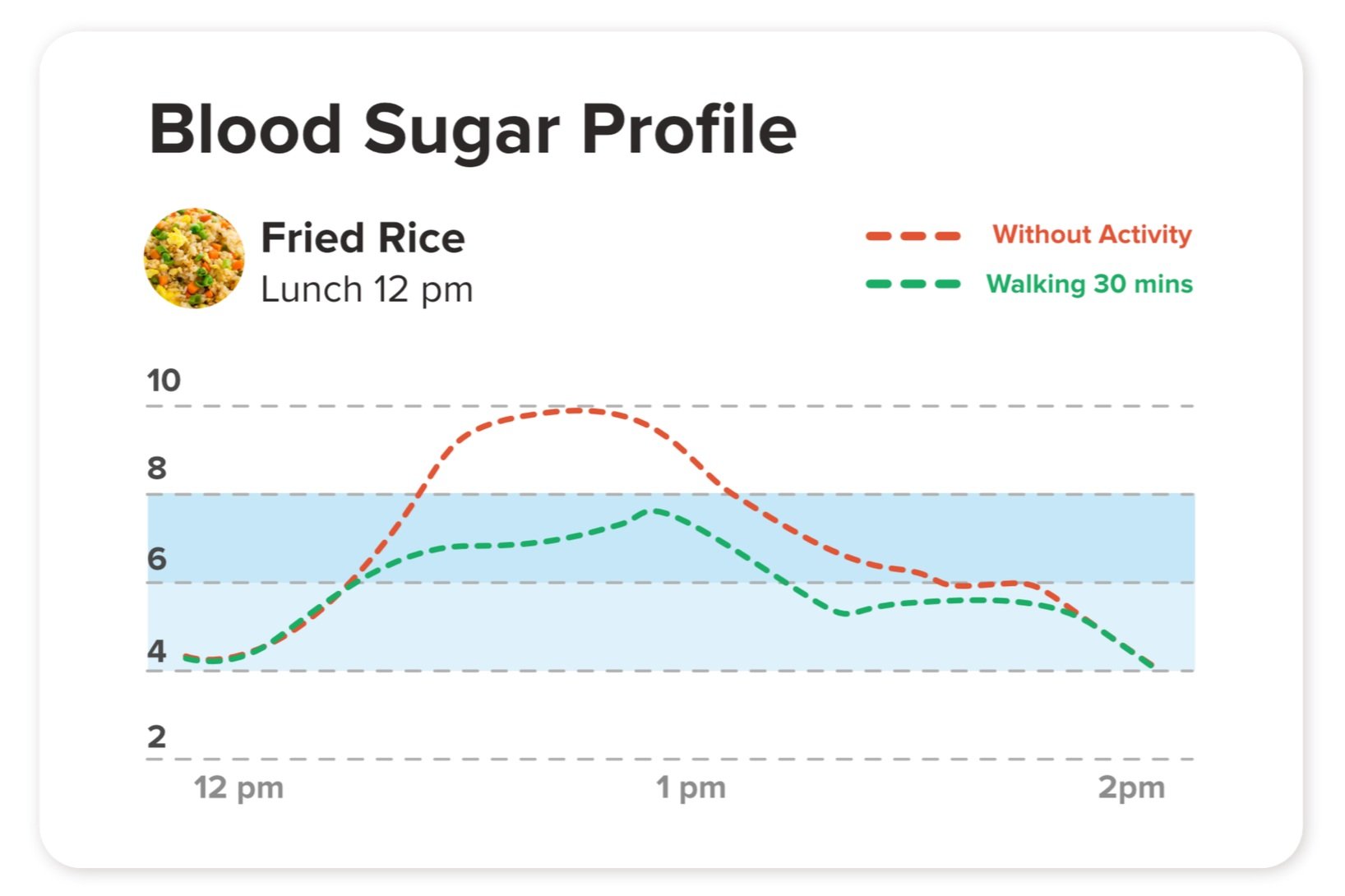
- Get regular exercise: Physical activity helps improve insulin sensitivity, allowing your body to use glucose more effectively. Even a short walk after a meal can make a difference.
- Don't be afraid to experiment: Everyone's body is different, so what works for one person might not work for another. Track your blood sugar after different meals and snacks to see how your body responds.
Ultimately, understanding your blood sugar response 30 minutes after eating is about empowering yourself to make informed choices about your diet and lifestyle. It's not about restriction or deprivation, but about creating a sustainable and enjoyable eating pattern that supports your overall health and well-being. So, eat well, enjoy your food, and pay attention to how your body responds!