Blank Are The Wheels On A Crane With Open Grooves
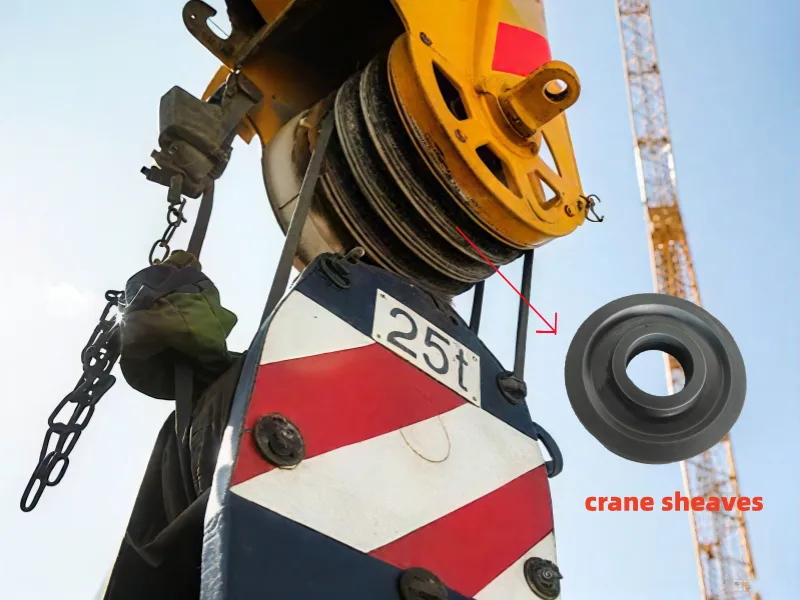
Have you ever stood mesmerized, watching a massive crane effortlessly lift a heavy load, seemingly defying gravity? There's something inherently captivating about these powerful machines. Maybe it's the scale of the operation, the precision involved, or simply the impressive display of engineering. But beneath the surface of this captivating spectacle lies a world of intricate mechanisms, and one often overlooked detail: the wheels.
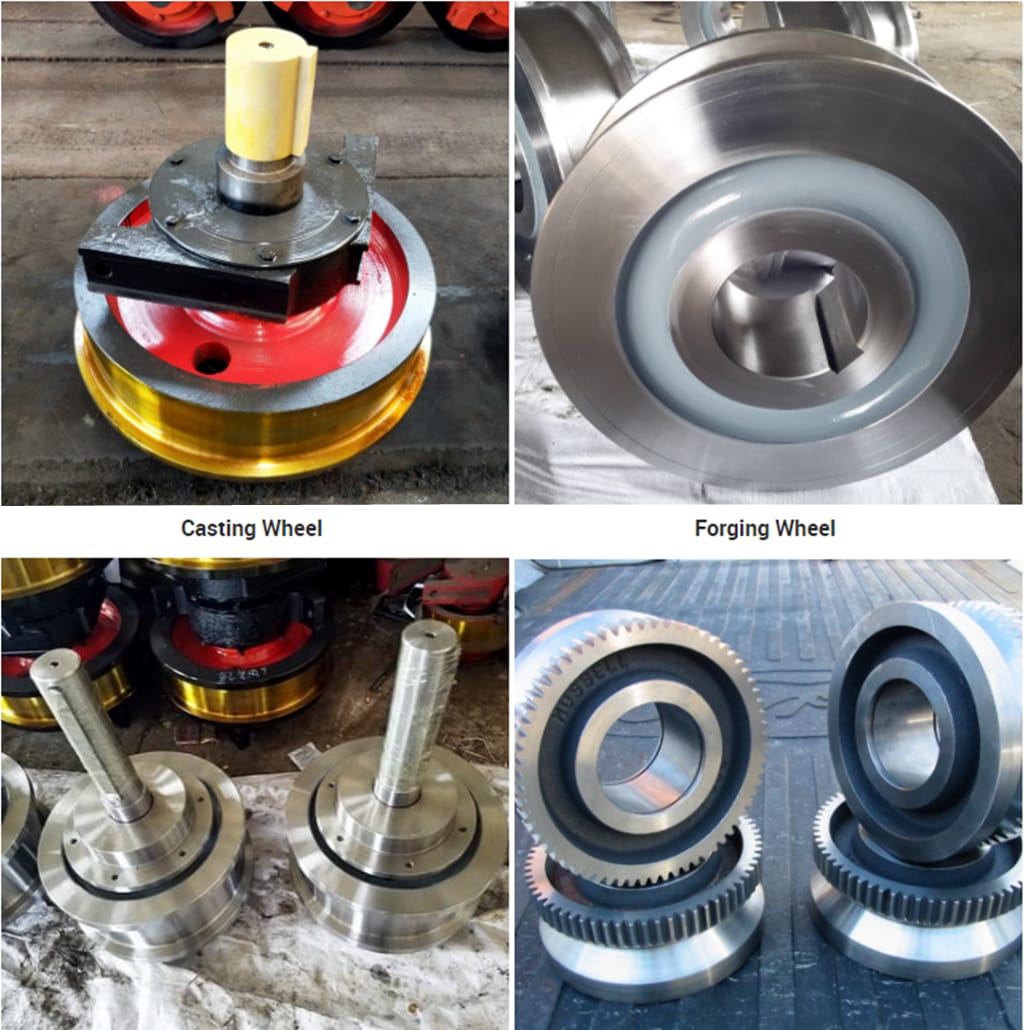
So, what are the wheels on a crane with open grooves like? The short answer: they're typically steel! But that's just the beginning of the story. These wheels, especially in heavy-duty cranes, need to withstand immense pressure and strain. Think about it: they're supporting the entire weight of the load being lifted, along with the crane itself. Cast steel, heat-treated for hardness and durability, is a common choice. The "open grooves" you mention refer to the tread design – often V-shaped or similar – that allows the wheels to interface effectively with the crane's rails.
Why is this important? Well, cranes are the workhorses of countless industries. Consider the construction of skyscrapers. Without cranes, moving steel beams and concrete slabs to great heights would be nearly impossible. Ports rely heavily on cranes to load and unload cargo ships, facilitating global trade. Manufacturing plants use cranes to move heavy machinery and materials throughout the production process. Even smaller, mobile cranes play a vital role in tasks like roadside repairs and tree trimming. The reliability and efficiency of these cranes directly impacts the efficiency and progress of these vital industries.
Must Read
The specific design and material of the crane wheels, including those open grooves, contribute significantly to their performance and longevity. The grooves, for example, provide improved traction and alignment on the rails, minimizing slippage and wear. The hardness of the steel prevents deformation under extreme loads, ensuring smooth and controlled movement. Choosing the right wheel material and design isn't just about aesthetics; it's about safety, productivity, and preventing costly downtime.
But how can you, as an observer, appreciate this seemingly mundane detail more effectively? Next time you see a crane in action, take a moment to notice the wheels. Consider the size and shape of the grooves. Think about the immense weight these wheels are supporting and the precision with which they need to operate. Perhaps you can even research the specific type of crane being used and learn more about its design specifications. By paying attention to these details, you can gain a deeper understanding and appreciation for the engineering marvel that is the modern crane.

Beyond that, if you’re involved in crane operation or maintenance, regular inspections of the wheels are crucial. Look for signs of wear, cracks, or deformation. Proper lubrication is also essential for reducing friction and extending the lifespan of the wheels. Selecting the right wheel material and design for the specific application is paramount. By prioritizing maintenance and informed selection, you can ensure the safe and efficient operation of cranes for years to come.
So, the next time you see a crane lifting a heavy load, remember the humble steel wheel, quietly working hard to make it all possible. It's a testament to the ingenuity and precision of engineering, and a reminder that even the smallest details can play a vital role in the grand scheme of things.