Best Walking Stick For Knee Pain
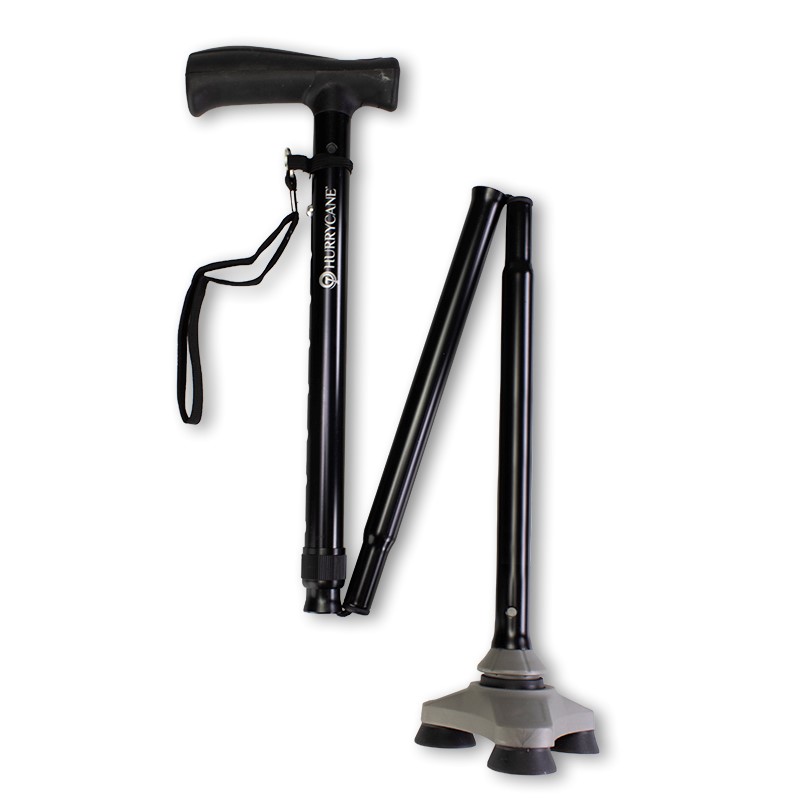
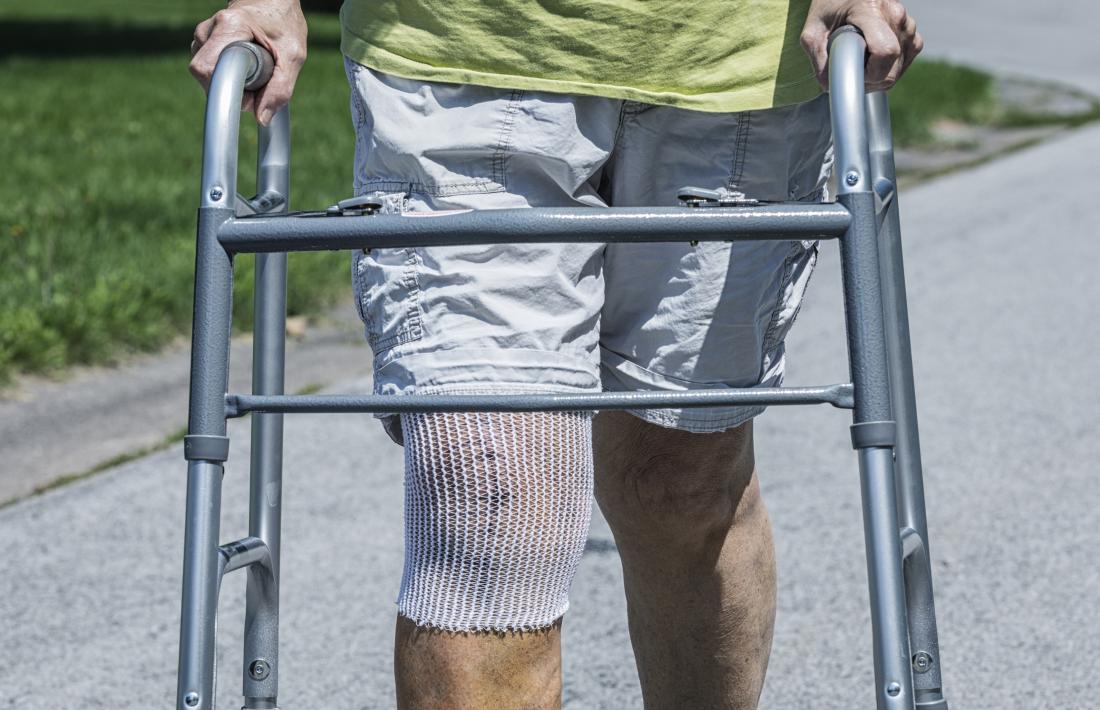
Ah, knee pain. It's that uninvited guest at the party of life, the one that shows up just as you're about to hit the dance floor (or, you know, walk to the grocery store). It’s like your knee decided to stage a dramatic performance of "The Agony of Movement," starring you as the unwilling lead. We've all been there, right? That familiar twinge, that sharp stab, that constant nagging ache... ugh.
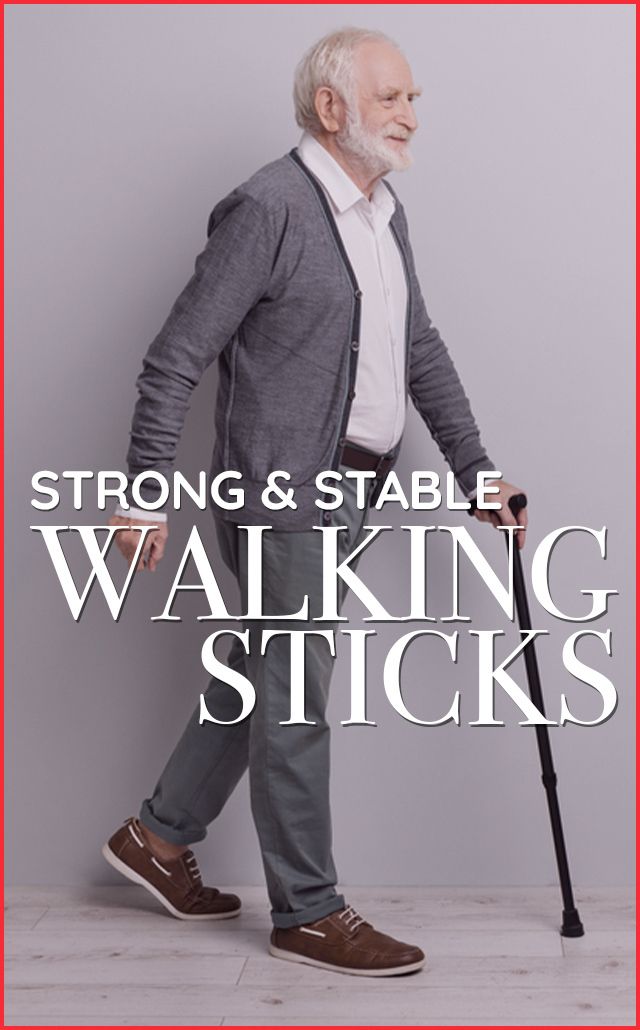
Now, before you resign yourself to a life of only moving via a robotic vacuum cleaner (tempting, I know), let's talk about a surprisingly helpful tool: the walking stick. Yes, that thing your grandpa used to brandish while yelling at squirrels. But trust me, it's not just for warding off bushy-tailed rodents anymore. It can be your new best friend when it comes to managing knee pain and getting back to… well, walking!
Why a Walking Stick for Knee Pain? Isn't That for Old People?
Okay, let's squash that "old people" stereotype right now. Think of it less like a sign of aging and more like a superpower. It's like adding a third leg – a supportive, stylish (yes, they can be stylish!) leg that takes some of the pressure off your poor, complaining knees.
Must Read
Imagine your knee is a stressed-out employee, overworked and underappreciated. The walking stick is like hiring a new intern to help lighten the load. It redistributes your weight, so your knee isn't bearing the brunt of every step. That's less strain, less pain, and more "I can actually walk to get coffee without wincing!" moments.
It also helps with balance. Ever feel like your knee is going to give out on you unexpectedly? A walking stick provides extra stability, preventing those heart-stopping moments where you feel like you’re auditioning for a silent movie pratfall.
![OsteoTx [2-Pack] Walking Canes for Men, Women, Seniors. Home & Travel](https://m.media-amazon.com/images/I/81nogPn+VNL.jpg)
Choosing Your Knee-Saving Wand: What to Look For
So, you're sold on the idea. Great! But not all walking sticks are created equal. You can't just grab any old stick from the backyard (although, points for resourcefulness!). Here's what to consider:
- Height: This is crucial. Too short, and you'll be hunching over like Quasimodo. Too tall, and you'll be awkwardly reaching. The ideal height is when your elbow is bent at a comfortable angle (around 15-20 degrees) while holding the stick. A good rule of thumb is to measure from the floor to your wrist bone while standing straight.
- Grip: This is where personal preference comes in. Some people like a curved handle, others prefer a straight one. Try out different grips to see what feels most comfortable and secure in your hand. Consider ergonomic grips designed for people with arthritis or other hand issues.
- Material: Wooden sticks are classic and stylish, but can be heavier. Aluminum sticks are lightweight and adjustable, making them a good option for travel or if your needs might change. Carbon fiber sticks are super lightweight but often pricier.
- Tip: The tip of your stick is your point of contact with the ground. Rubber tips provide good traction on pavement, while metal tips with removable rubber caps are better for hiking on uneven terrain.
Types of Walking Sticks (Beyond Grandpa's Old Cane)
There's a whole world of walking sticks out there! Here are a few common types:
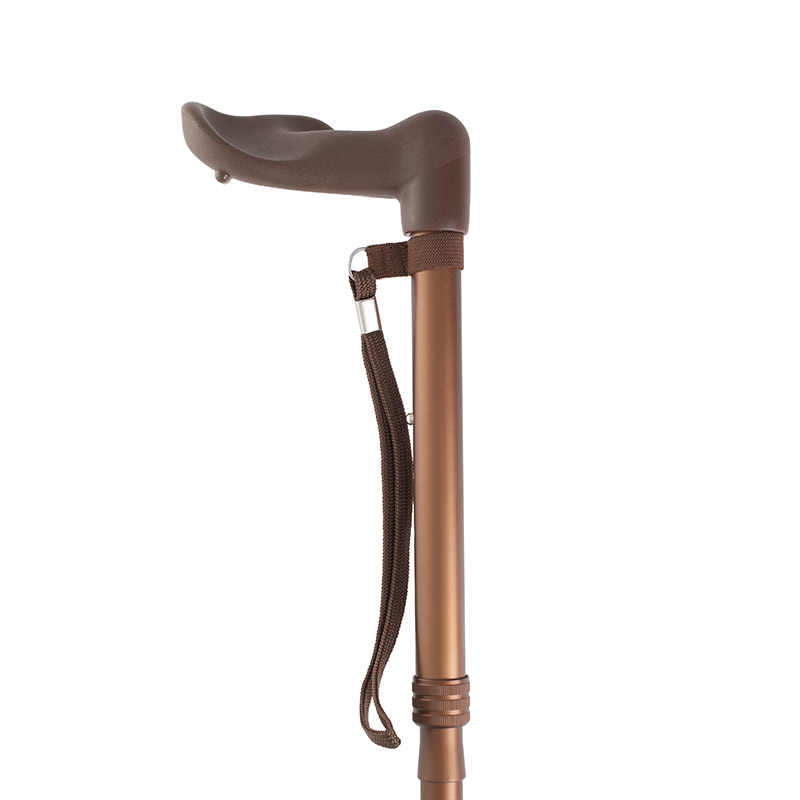
- Canes: The classic, single-point walking aid.
- Hiking Poles/Trekking Poles: Often used in pairs, these provide extra stability and propulsion on uneven terrain.
- Quad Canes: These have four points of contact with the ground, offering maximum stability.
- Folding Canes: Great for travel or storing in a bag when not needed.
Don’t be afraid to experiment! What works for one person might not work for another. It's all about finding the right fit for your needs and comfort level.
Walking Stick Wisdom: A Few Tips and Tricks
Once you've found your perfect walking stick, here are a few tips to make the most of it:
- Use it on the opposite side of your affected knee. This helps to shift weight away from the painful joint.
- Keep your back straight and your head up. Good posture is key to avoiding other aches and pains.
- Take shorter steps. This reduces the impact on your knees.
- Don't be afraid to accessorize! Add a wrist strap to prevent drops, or a stylish carrying case for when you're not using it.
Using a walking stick for knee pain isn't about admitting defeat; it's about taking control of your mobility and living life to the fullest. It's about saying, "Hey, knee pain, you're not going to keep me from enjoying my walk in the park (or my trip to the grocery store, or my spontaneous dance-off in the kitchen)!" So, embrace the stick, embrace the support, and embrace the freedom to move with less pain. Your knees (and your quality of life) will thank you for it.