Best Temperature To Set Thermostat In Winter
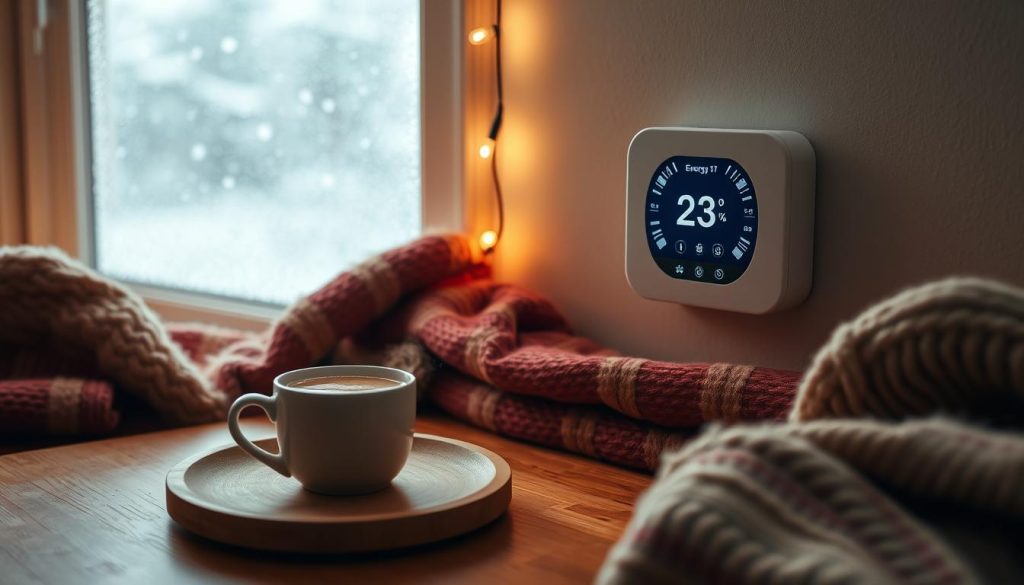
Ah, winter. The season of cozy blankets, steaming mugs of hot chocolate, and the age-old debate: what's the perfect temperature to set your thermostat? Let's be honest, for many of us, the thermostat is the unsung hero of the winter months. It's the silent guardian against icy drafts and the key to unlocking a home that feels like a warm hug after braving the chilly outdoors.
The purpose of a thermostat, of course, is simple: to maintain a consistent and comfortable temperature within your home. But its benefits extend far beyond mere comfort. A well-regulated temperature contributes to better sleep, improved focus, and even reduced energy bills. Think about it – when you're shivering, your body is expending extra energy to stay warm, leading to fatigue and potential illness. A comfortable temperature allows your body to relax and function optimally.
We encounter thermostats everywhere! From the programmable ones in our homes that adjust to our schedules, to the smart thermostats that learn our preferences and adapt accordingly, to even the basic dial versions in older buildings. The application is the same – creating a climate controlled environment. Consider the alternative – manually stoking a fire all day to maintain a desired temperature! Thermostats offer incredible convenience.
Must Read
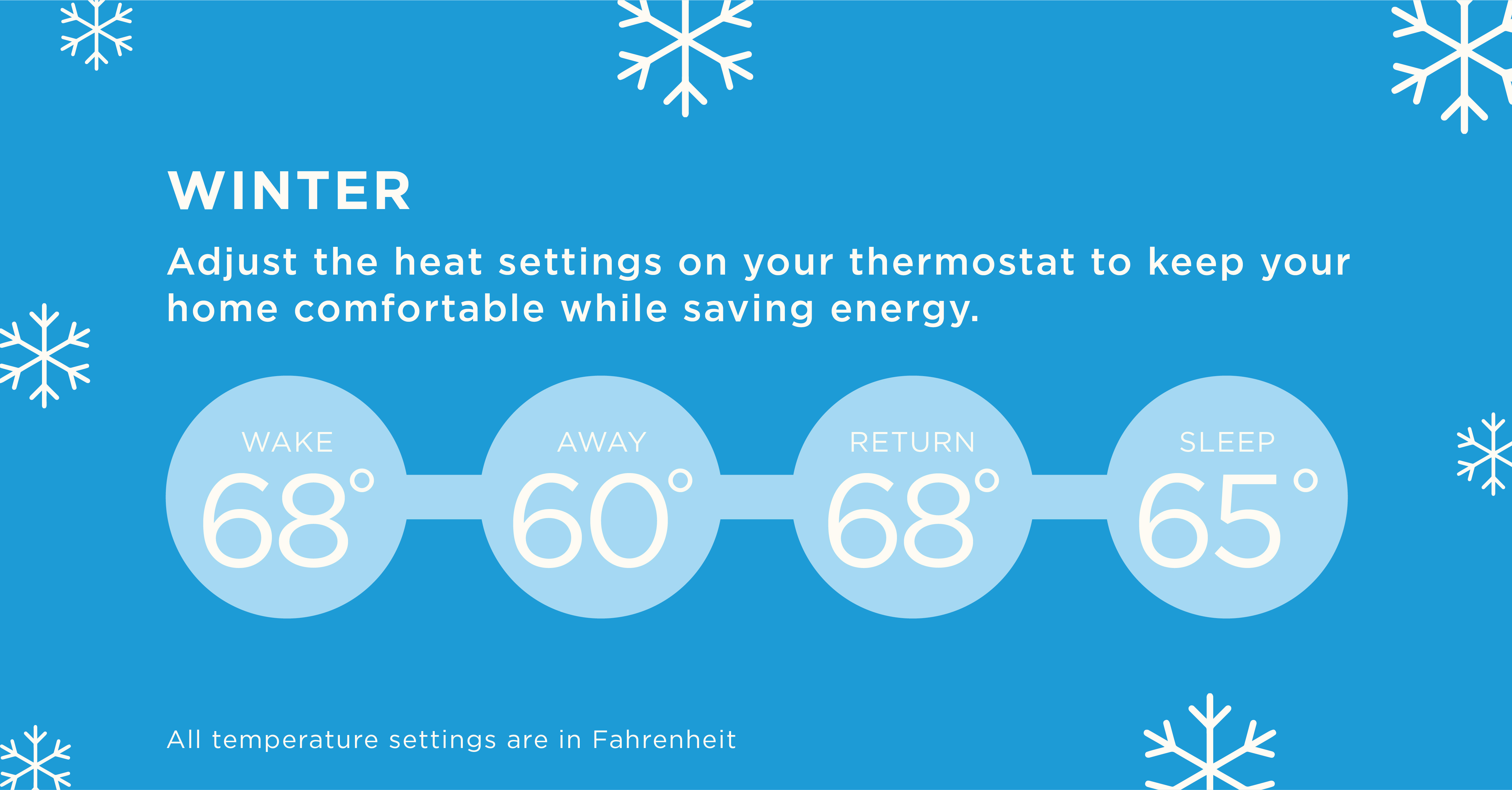
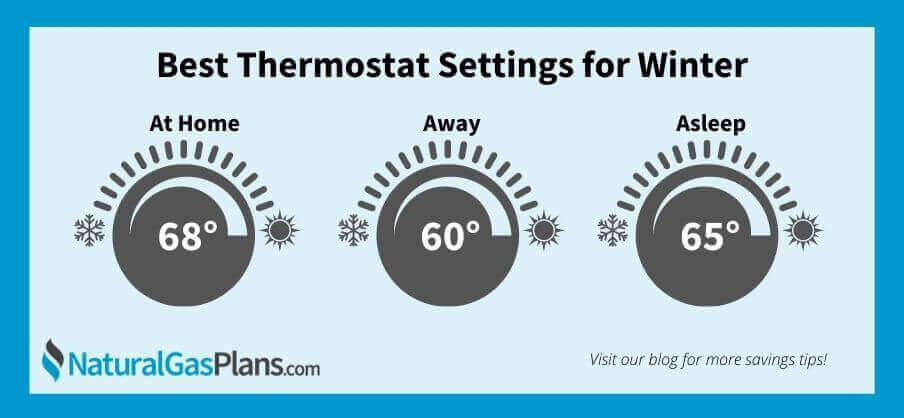
So, what is the ideal temperature? While personal preference plays a role, experts generally recommend setting your thermostat to around 68 degrees Fahrenheit (20 degrees Celsius) during the day. This strikes a balance between comfort and energy efficiency. At night, or when you're away from home, lowering the temperature by 7-10 degrees can save you a significant amount on your heating bill. Some people even go lower, embracing the "polar bear club" mentality and bundling up in extra layers to conserve energy!

Here are some practical tips to maximize your thermostat's effectiveness and enjoy a cozier, more efficient winter:
- Programmable or Smart Thermostat: Invest in a programmable or smart thermostat to automate temperature adjustments based on your schedule. This eliminates the need to manually change the temperature and ensures you're not heating an empty house.
- Seal Drafts: Before cranking up the heat, seal any drafts around windows and doors. Inexpensive weather stripping or caulk can make a big difference in preventing heat loss.
- Dress Appropriately: Layering clothing is a simple but effective way to stay warm without over-heating your home. Think cozy socks, sweaters, and even a hat!
- Utilize Sunlight: Open curtains and blinds during the day to allow sunlight to naturally warm your home. Close them at night to retain heat.
- Regular Maintenance: Ensure your heating system is properly maintained by scheduling regular tune-ups. A well-maintained system operates more efficiently and can prevent costly breakdowns.
Ultimately, the "best" temperature is the one that keeps you comfortable while minimizing energy waste. Experiment with different settings to find what works best for you and your household. With a little planning and attention, you can create a warm and inviting home environment that doesn't break the bank. So, grab a mug of hot cocoa, settle into your favorite armchair, and enjoy the cozy comfort of a perfectly regulated winter wonderland!