
Best Place To Put A Carbon Monoxide Tester
Okay, picture this: It's a crisp autumn evening, you've just settled onto the couch with a hot mug of something delicious, and the furnace has kicked on for the first time in months. Maybe you even lit that cozy fireplace you’ve been dreaming about all summer. Everything feels perfectly snug, right? Except... a little voice in the back of your head whispers, "Hey, is that smell normal?" You know the one – that slightly dusty, metallic scent that furnace vents sometimes have. You dismiss it, because obviously, it’s just dust burning off. But what if it wasn't? What if it was something you couldn't smell?
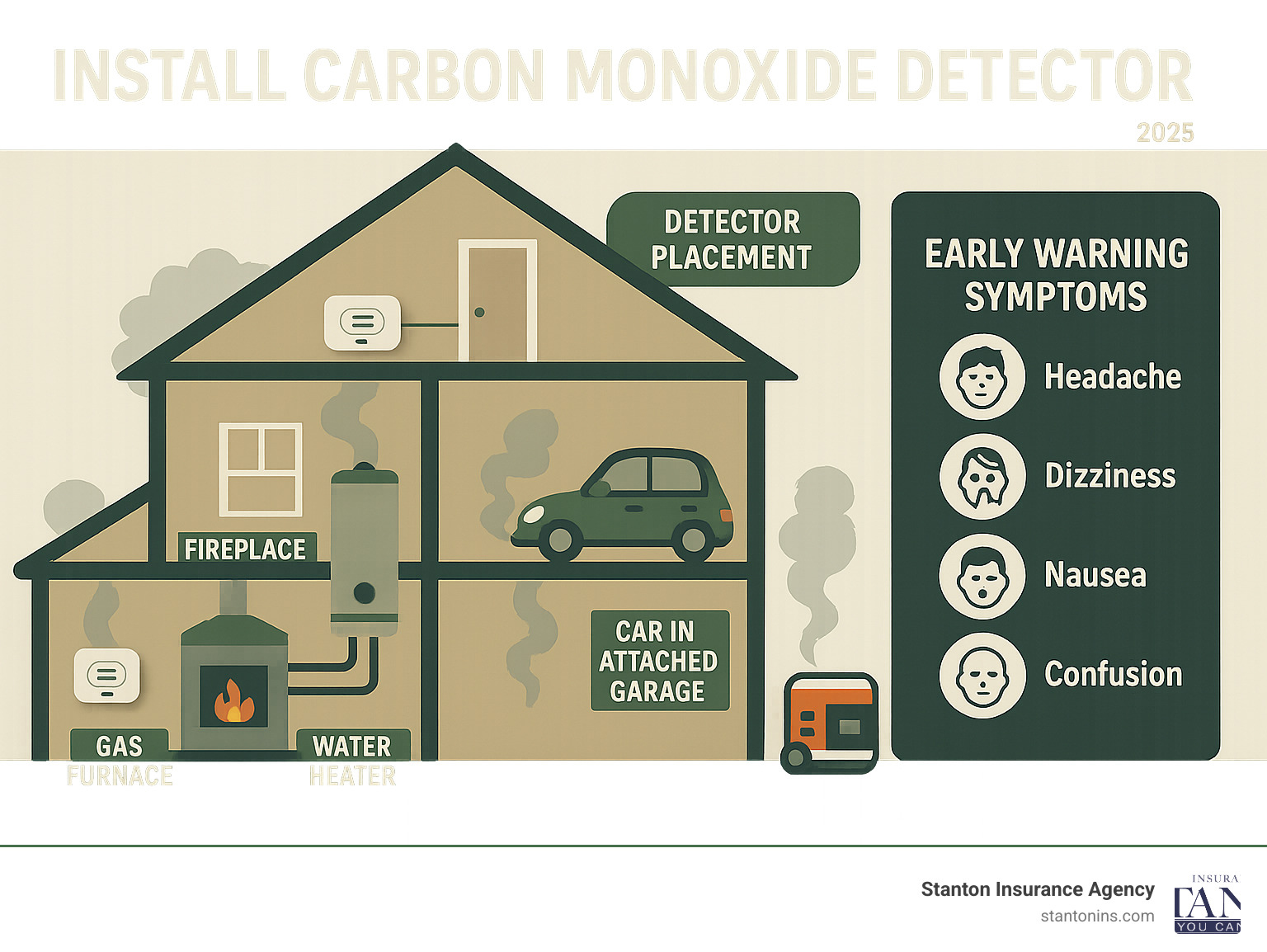
That, my friends, is the terrifying reality of carbon monoxide (CO). It's the ultimate ninja villain of household dangers: odorless, colorless, tasteless, and completely silent. Often called "the silent killer," it's produced by the incomplete burning of fuels (furnaces, gas stoves, water heaters, fireplaces, even cars in an attached garage!). It can quickly become deadly without any warning signs your natural senses can pick up.
So, while that dust-burning smell is probably just dust (phew!), it’s a good mental trigger to think about the stuff you can't detect. And that brings us to our superhero: the carbon monoxide detector. But just having one isn't enough; knowing where to put a carbon monoxide tester is absolutely crucial. Because a CO detector shoved in a dusty closet isn't doing anyone any good, is it?
Must Read
The Golden Rules of CO Detector Placement
Let's break this down into easy-to-digest chunks. Think of this as your personal guide to not getting gassed by an invisible enemy.
Rule #1: Every Level, Especially Near Sleepers
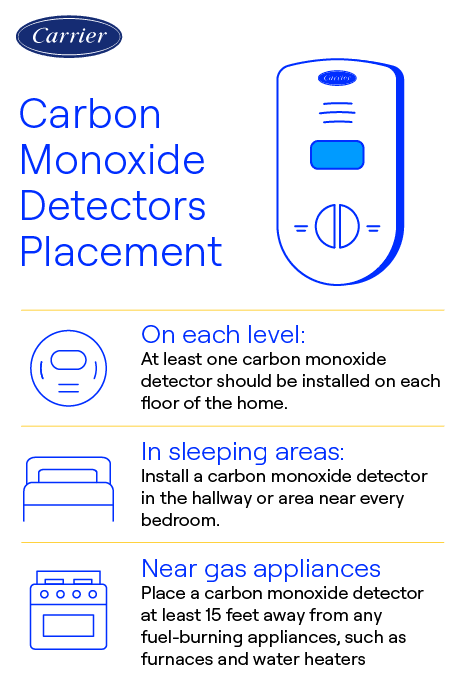
This is arguably the most important rule. You need at least one CO detector on every level of your home. Basement, main floor, upstairs bedrooms – everywhere. CO spreads, and you want to catch it no matter where it might originate. Crucially, make sure there’s one near or in every sleeping area. You're most vulnerable when asleep and wouldn't wake up to symptoms. A blaring alarm, however, will do the trick. So, hallways outside bedrooms? Absolutely. In individual bedrooms? Even better.

Rule #2: Close to Fuel-Burning Appliances... But Not TOO Close
Place detectors within 5-20 feet of potential CO sources like your furnace, water heater, or gas fireplace. This allows it to detect a leak before it spreads. However, don't place it too close – not directly on top of your stove or right next to a fireplace flue. Initial combustion can release tiny, harmless bursts of CO or exhaust that trigger annoying false alarms. A little distance is key.
Rule #3: The Attached Garage Gets a Special Mention
If you have an attached garage, this is non-negotiable. Running a car inside can quickly fill the space with lethal CO. Place a detector in the room adjacent to the garage, or near the door leading into your home. Don't put it inside the garage itself, as vehicle exhaust can lead to false alarms or harsh conditions that shorten the detector's life.

Where NOT to Put Your CO Detector (Avoid These Spots!)
Just as important as knowing where to put them is knowing where not to. Think of these as the "no-fly zones" for your CO superhero:
- Too close to vents, fans, or windows: Air currents can mess with accurate detection.
- In direct sunlight or extreme temperatures: Heat and cold can damage electronics.
- In high humidity areas: Bathrooms, laundry rooms, or near dishwashers. Moisture causes malfunctions.
- Behind curtains or furniture: Blocks the sensor.
- Directly above or too close to cooking appliances: Risks false alarms from cooking fumes.
What About Height?
Ah, the age-old question! Unlike smoke detectors (smoke rises), carbon monoxide mixes with air. So, theoretically, it can be detected at any height. However, most manufacturers recommend placing them at about eye level or higher on a wall, or on a ceiling if it's a combo smoke/CO alarm. Always follow the manufacturer's instructions. If you have a plug-in unit, find an unobstructed outlet within recommended distance of potential sources.
One Last Thing: Test and Replace!
They're not "set it and forget it" items. Test your CO detectors monthly (there's usually a button!). Replace the batteries when they chirp (ideally twice a year with daylight saving changes). And remember, CO detectors have an expiration date, usually 5-7 years. After that, the sensor can degrade. Check the back of your unit for a "replace by" date. Don't be that person with a decade-old, unreliable detector!
So, there you have it! A quick guide to keeping your home safe from the invisible threat of carbon monoxide. A few minutes of thoughtful placement and regular maintenance are a small price to pay for genuine peace of mind. Now go forth, check those detectors, and enjoy that snug, actually safe home! You've got this.
