Best Place To Install Carbon Monoxide Alarm
Ever thought about how something as simple as a little device can bring so much peace of mind? We’re talking about carbon monoxide alarms, and while they might not seem like the most "fun" topic at first glance, understanding where to install them is actually incredibly empowering and useful. It's about taking charge of your home safety, becoming a savvy protector of your space and loved ones, and honestly, who doesn't love feeling smart and prepared? It's a quick win for your home-owning or renting journey, giving you a quiet confidence that your environment is just a little bit safer.
So, who benefits from knowing the ins and outs of CO alarm placement? Practically everyone! For beginners and new homeowners, it’s a crucial first step in setting up a safe home. You’re not just hanging something on a wall; you’re establishing a foundational layer of security. It’s a low-cost, high-impact way to protect your investment and the people living in it. For families with kids or pets, this knowledge is paramount. Knowing exactly where to place these silent guardians means you can all sleep soundly, confident that you’re alerted to an invisible threat that disproportionately affects the vulnerable. And even for the DIY enthusiasts and smart home hobbyists, optimizing CO alarm placement can be an engaging project. It’s about leveraging technology for maximum effectiveness, perhaps even integrating it into a broader home safety network.
Now, let's talk about the nitty-gritty: where do these essential gadgets actually go? The general rule of thumb is to install them on every level of your home, especially near sleeping areas and any rooms with fuel-burning appliances. So, if you have a gas stove, a furnace, a water heater, or even a cozy fireplace, an alarm nearby is a must. For a multi-story home, think about having one in the hallway outside bedrooms on the upper floors, and another in a central location on the main floor. If you have an attached garage, an alarm strategically placed near the door leading into your living space is also a very smart move, as vehicle exhaust can be a significant source of CO.
Must Read
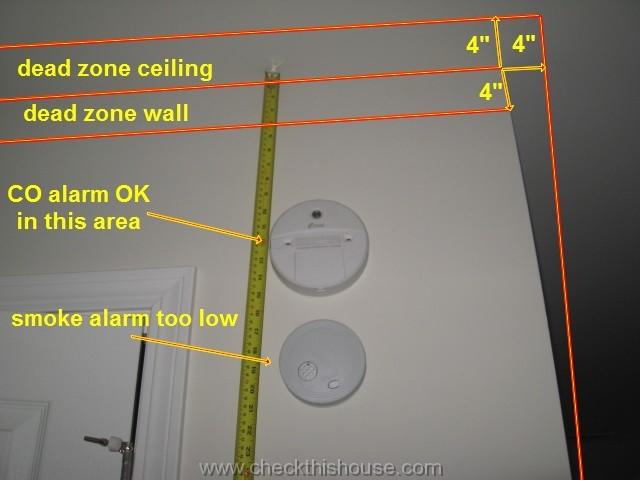
When it comes to specific placement, you have a few variations to consider. Some alarms are designed to be wall-mounted, while others plug directly into an outlet. The key is to avoid placing them right next to windows, doors, or vents, as drafts can interfere with their ability to detect CO accurately. Also, steer clear of "dead air" spaces, like corners or behind curtains. A good rule of thumb for wall-mounted units is to place them about 5 feet off the floor, which is typically around eye level, or on the ceiling if recommended by the manufacturer. Remember, CO mixes with air, so its exact behavior isn't tied to rising or sinking like smoke, making proximity to people and sources more important than precise height.

Getting started is incredibly easy. First, read the instructions that come with your specific alarm – they’re your best guide! Second, map out your home: identify all sleeping areas and any spots with fuel-burning appliances. Third, simply install your alarms according to the manufacturer's guidance and the general tips above. Don’t forget to test them monthly and replace the batteries (if applicable) every six months or the unit entirely every 5-7 years, depending on the model. It's a small task that reaps huge rewards in safety.
Ultimately, taking a few moments to properly install your carbon monoxide alarms isn't just a chore; it's a vital act of self-care and family protection. There’s genuine enjoyment in knowing you’ve handled a critical piece of home safety, allowing you to breathe a little easier and truly relax in your own space. It’s about making your home not just a house, but a true sanctuary.
/Carbon-Monoxide-Detector-GettyImages-200551076-001-58bcddec3df78c353ca5c22e.jpg)