
Best Omega 3 Supplement For Dogs

Okay, picture this: I'm walking Sparky, my notoriously picky Shih Tzu, and he's sniffing EVERYTHING. You know the drill – that fire hydrant, that suspicious-looking leaf, and… yep, that discarded pizza crust (which, naturally, he tries to Hoover up before I can react). Anyway, after the pizza crust incident (we're working on it!), I noticed his coat was looking a bit, shall we say, lackluster. Dull, dry, you get the picture. His vet mentioned it might be a sign he was missing something in his diet, specifically, omega-3 fatty acids.
That's when I plunged into the world of dog supplements, specifically the vast, confusing, and sometimes intimidating world of omega-3 supplements. Seriously, so many options! Fish oil? Krill oil? Algae oil? What even is algae oil? (I'm still not 100% sure, tbh). But after a LOT of research (and a few questionable purchases), I'm ready to share my findings. Because let's be honest, we all just want what's best for our furry little weirdos.
Why Omega-3s are a Big Deal for Dogs (and Why Sparky Needed a Boost)
So, why all the fuss about omega-3s? Well, these fatty acids (specifically EPA and DHA) are essential for your dog's overall health. Think of them as the tiny superheroes working behind the scenes to keep everything running smoothly. They're like the WD-40 for your dog's joints...except they don't smell like motor oil (thank goodness!).
Must Read
Here's a quick rundown of the benefits:
- Healthy Skin and Coat: Remember Sparky's sad, dull fur? Omega-3s can help with that! They reduce dryness, itchiness, and inflammation, leading to a shinier, healthier coat. Trust me, you’ll notice the difference.
- Joint Health: Especially important for older dogs or those with arthritis. Omega-3s can help reduce joint pain and stiffness, making it easier for them to move around. (Goodbye, creaky dog noises!)
- Brain Function: DHA is crucial for brain development and function, especially in puppies. It can also help improve cognitive function in older dogs. Keep their minds sharp!
- Heart Health: Omega-3s can help support a healthy cardiovascular system. Because a healthy heart means more years of chasing squirrels.
The Contenders: Fish Oil, Krill Oil, and Algae Oil
Okay, let's break down the most common types of omega-3 supplements for dogs.

Fish Oil: The Classic Choice
Fish oil is the most widely available and affordable option. It's typically sourced from fish like salmon, sardines, and anchovies. It's a good all-around choice, but make sure you choose a reputable brand that tests for contaminants like mercury. No one wants a toxic treat, right?
Side note: Fish oil can sometimes have a fishy smell that some dogs (and owners!) find off-putting. Luckily, there are ways to mask the smell, like mixing it with their food or buying capsules instead of liquid.
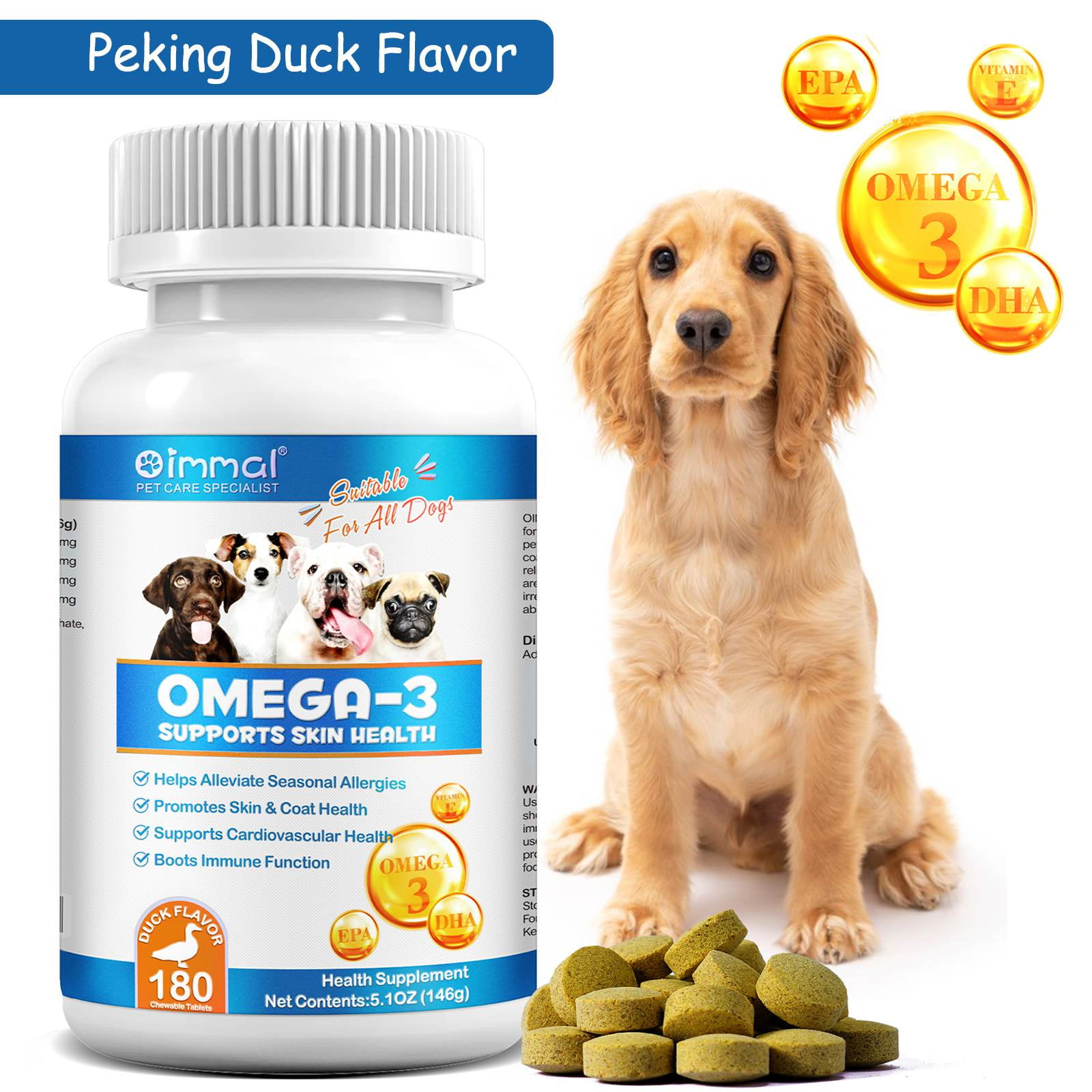
Krill Oil: The Tiny But Mighty Option
Krill oil is derived from tiny crustaceans called krill. It's a more concentrated source of omega-3s than fish oil, and it also contains antioxidants. Some studies suggest that krill oil is more easily absorbed by the body than fish oil. Plus, some people feel better about the environmental impact because krill are lower on the food chain.
However, krill oil tends to be more expensive than fish oil. So, you'll need to weigh the pros and cons.
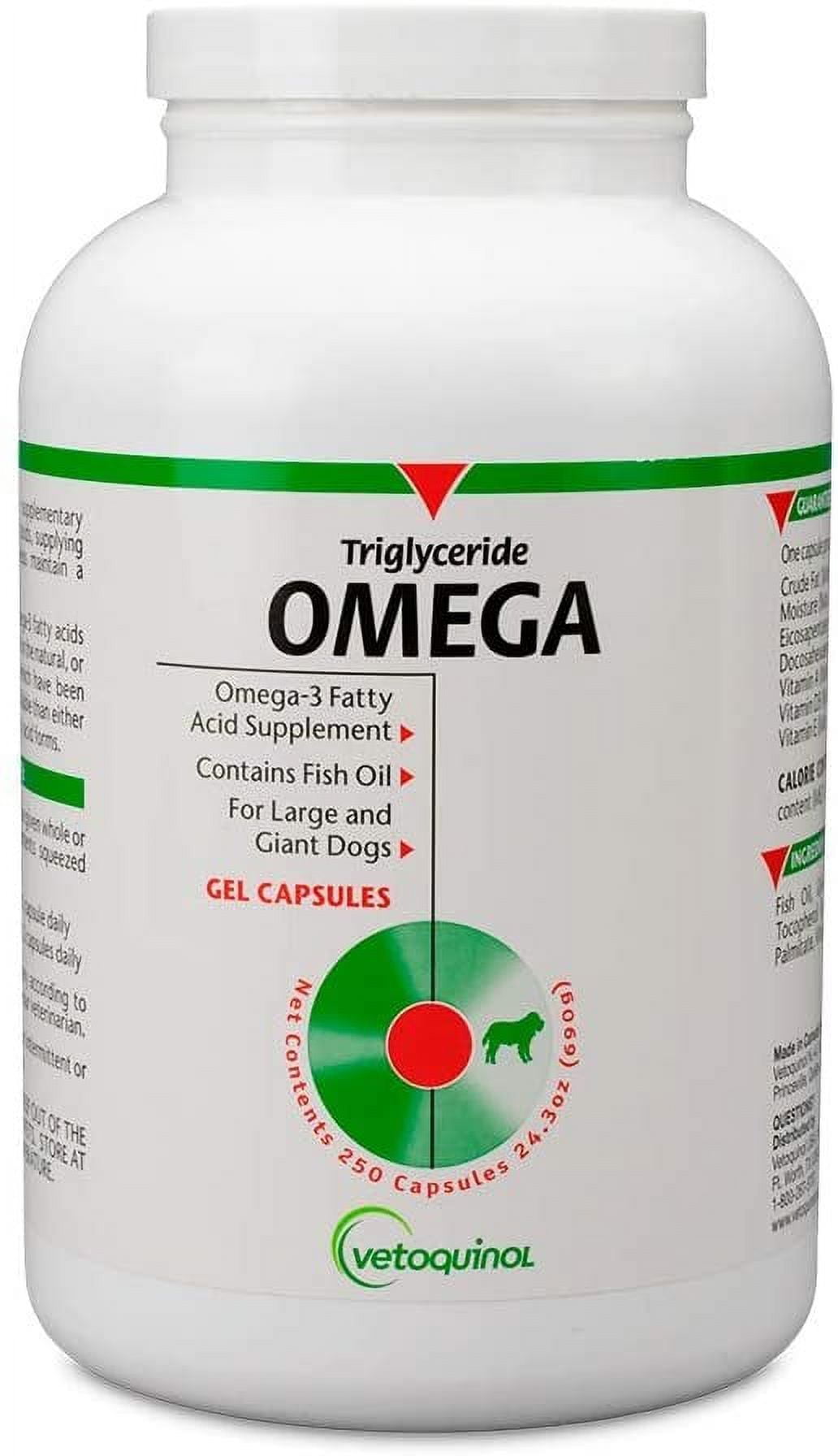
Algae Oil: The Vegetarian (and Sustainable!) Option
Here's where things get interesting. Algae oil is derived from, you guessed it, algae! It's a vegetarian and vegan source of omega-3s, making it a great option for dogs with fish allergies or owners who are concerned about sustainability. Algae is where the fish get their omega-3s in the first place so this is just cutting out the "middle-fish."
It’s generally a more expensive option. But, if you want a more sustainable option, this may be a good fit.

So, What's the Best Option for Your Dog?
Honestly, it depends! There's no one-size-fits-all answer. Consider your dog's needs, your budget, and your personal preferences.
Here are a few things to keep in mind:
- Read the label: Pay attention to the EPA and DHA content. These are the most important omega-3 fatty acids.
- Choose a reputable brand: Look for products that have been third-party tested for purity and potency.
- Start with a low dose: Gradually increase the dose as needed, following the manufacturer's instructions.
- Talk to your vet: They can help you determine the best type of omega-3 supplement and dosage for your dog.
As for Sparky, I ended up going with a high-quality fish oil supplement recommended by our vet. And guess what? His coat is looking much better! He's still obsessed with sniffing things (and occasionally trying to steal pizza), but at least he's doing it with a shiny coat! So, good luck on your omega-3 adventure! Your dog will thank you (eventually, probably after they’ve finished sniffing that aforementioned fire hydrant).