
Best Knee Sleeve For Meniscus Tear
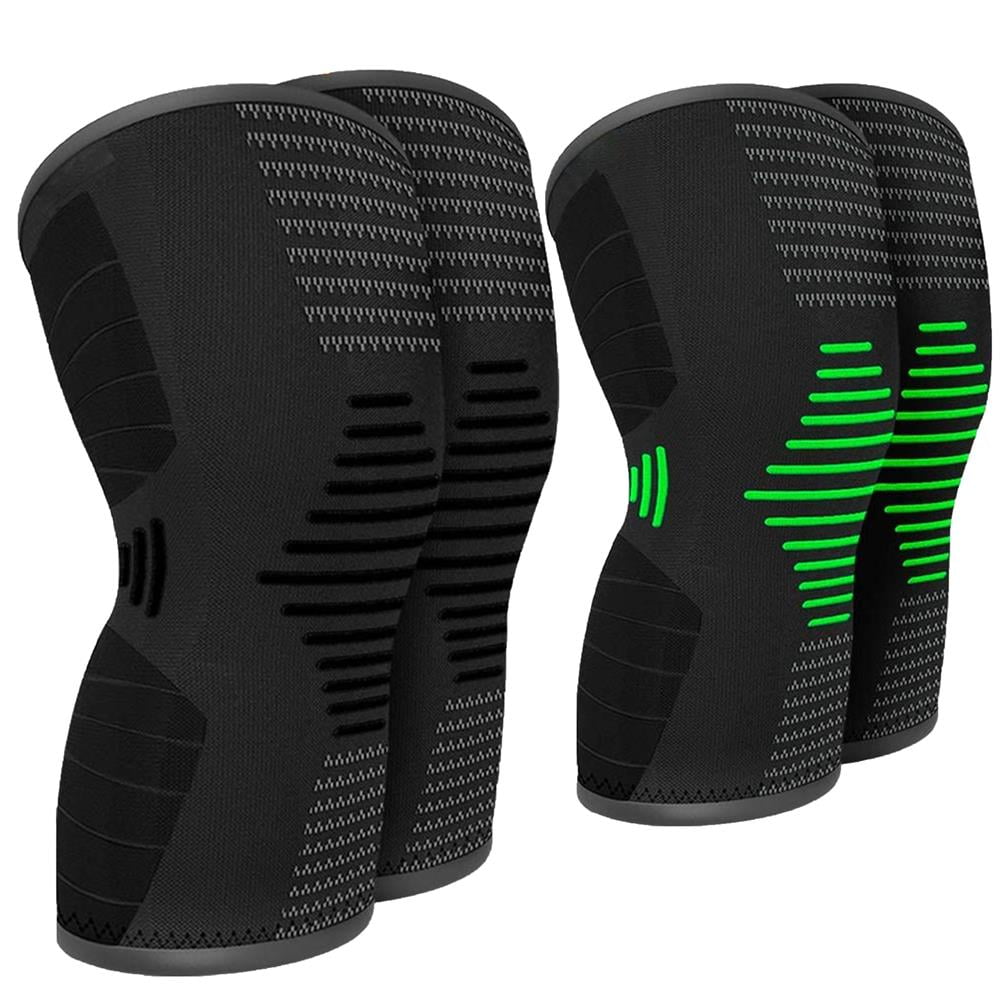
Alright folks, let's talk knees! Specifically, those pesky little meniscus tears that can sideline even the toughest among us. Ever feel that sharp pain, that annoying click, or that feeling like your knee just isn't cooperating? Yeah, that might be a meniscus tear. But don't panic!
Before you start picturing surgery and endless physical therapy (though, definitely see a doctor!), let's explore a tool that can offer some serious relief and support: the humble knee sleeve. Think of it as a hug for your knee, a supportive friend whispering, "You got this!" But with so many options out there, how do you find the best knee sleeve for a meniscus tear? Let's dive in.
Why Even Bother with a Knee Sleeve?
Okay, so why not just tough it out? Well, a good knee sleeve isn't just about masking the pain. It's about:
Must Read
- Compression: Think of it like a gentle squeeze that reduces swelling and promotes blood flow. Imagine your knee is a stressed-out balloon animal, and the sleeve is slowly, calmly deflating it. Ahhh, relief!
- Support: It adds stability, helping your knee track properly and reducing the risk of further injury. It's like having a miniature scaffolding system for your joint, keeping everything aligned.
- Proprioception: Sounds fancy, right? It basically means the sleeve helps your brain better understand where your knee is in space. This can improve balance and coordination, which is super important when you're dealing with a wonky knee. Think of it as giving your knee a GPS!
So, it's not just a fashion statement (although some of them do look pretty cool). It's a tool that can help you manage pain, improve function, and get back to doing the things you love.
What to Look for in a Knee Sleeve for Meniscus Tears
Not all knee sleeves are created equal. You wouldn't use a butter knife to saw wood, right? Same principle applies here. When you're dealing with a meniscus tear, here's what you should be paying attention to:
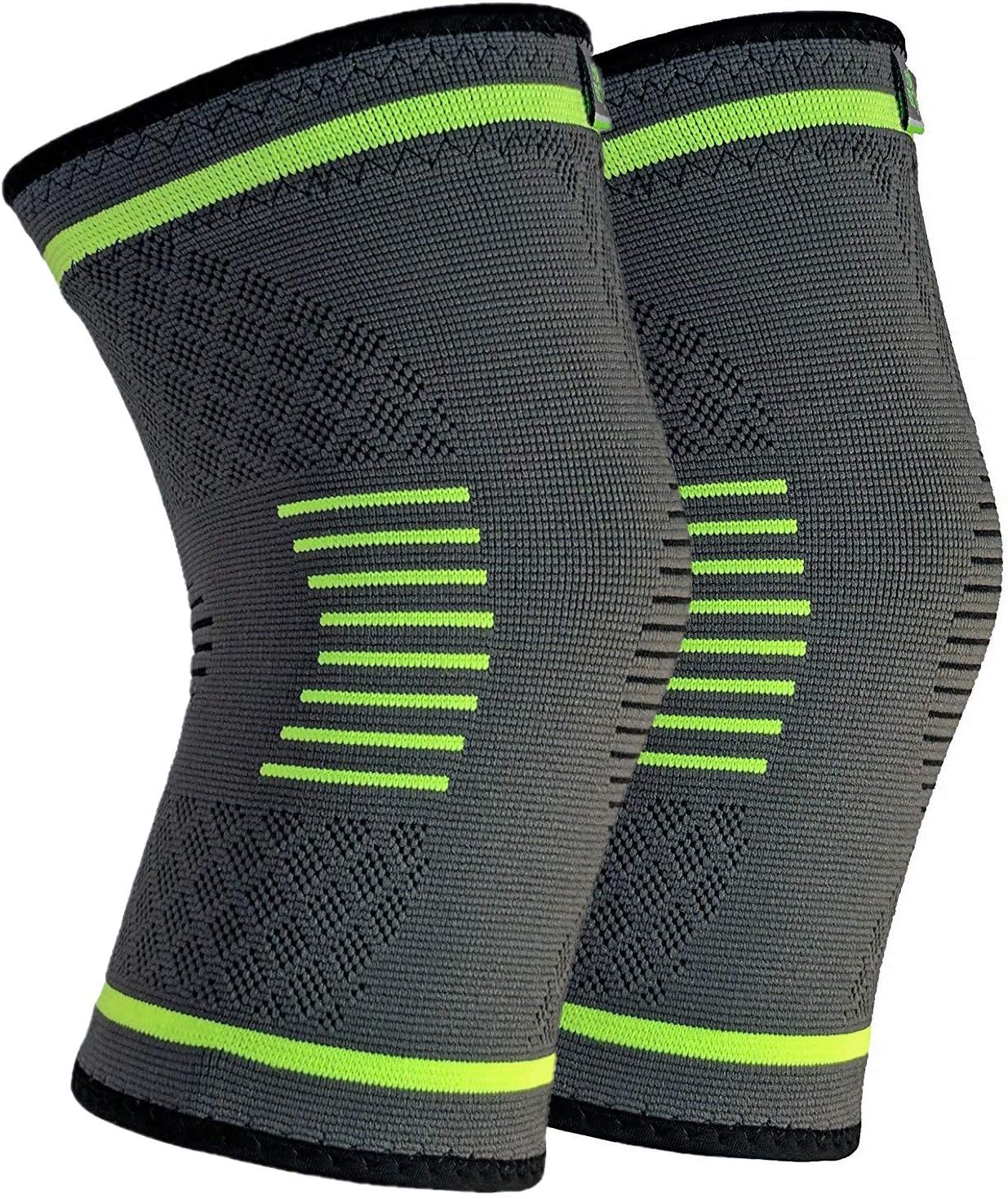
Material: Neoprene is a popular choice because it's durable, provides good compression, and retains heat (which can be soothing). However, some people find it irritating. Consider sleeves made with breathable fabrics like nylon or spandex if you have sensitive skin. Think of it like choosing between a wool sweater (cozy but maybe itchy) and a soft cotton tee.
Thickness: Thicker sleeves generally provide more support and compression. If your tear is more severe, a thicker sleeve (think 5-7mm) might be beneficial. If it's a minor tear or you're just looking for a little extra support during activity, a thinner sleeve (3-5mm) might be sufficient. Imagine it as the difference between a light jacket and a heavy winter coat.
Support Type: Some sleeves are just sleeves, providing basic compression and support. Others have built-in features like:
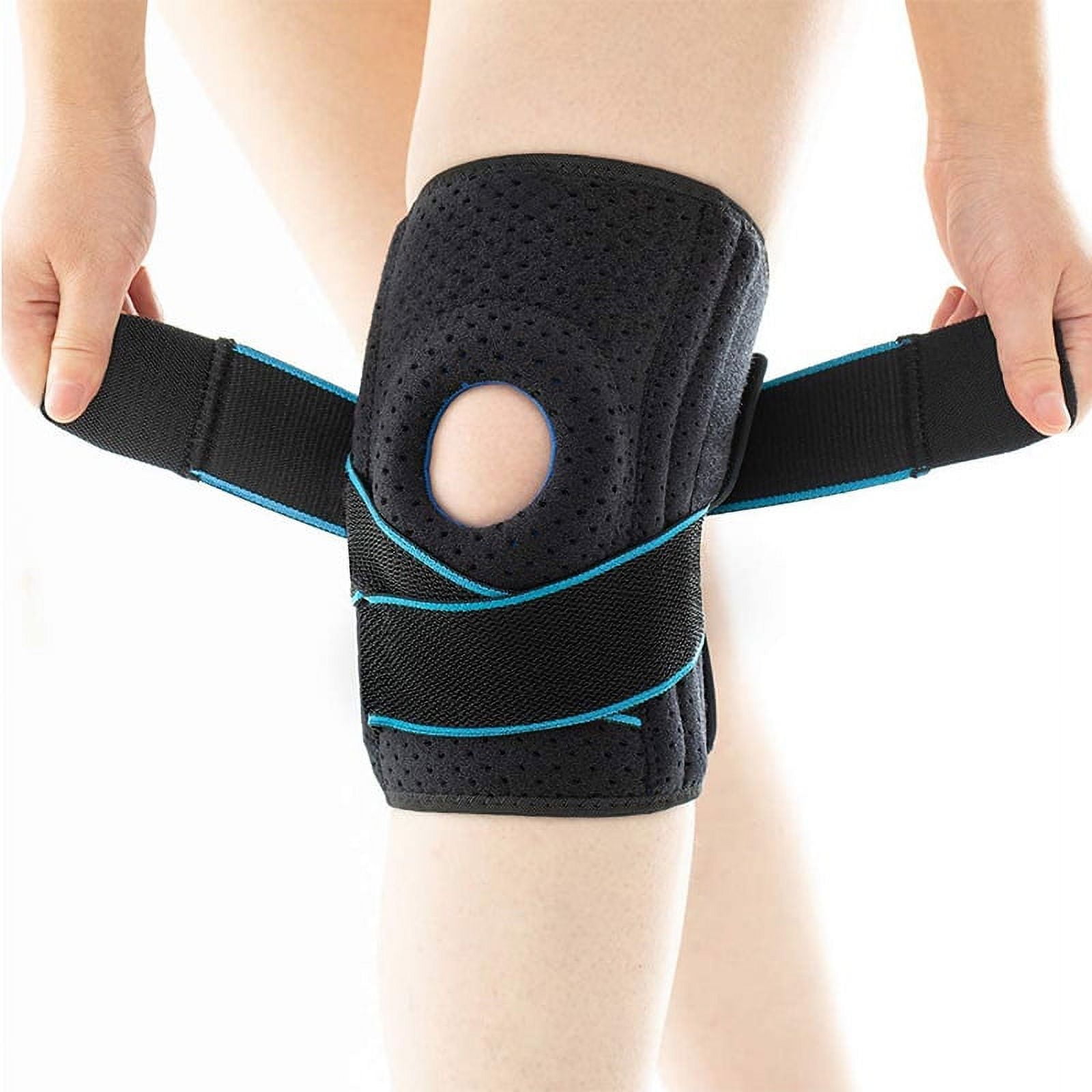
- Hinges: These provide extra lateral (side-to-side) stability, which can be helpful if you're prone to twisting your knee. They're like the training wheels for your knee, adding an extra layer of protection.
- Patella Cutouts: These reduce pressure on your kneecap, which can be beneficial if you also have patellofemoral pain syndrome (runner's knee). It's like having a little window for your kneecap to breathe!
- Stabilizing Straps: These allow you to customize the level of compression and support. Think of them as adjustable seatbelts for your knee.
Fit: This is crucial. A sleeve that's too tight will restrict blood flow and be uncomfortable. A sleeve that's too loose won't provide adequate support. Measure your leg circumference carefully and consult the manufacturer's sizing chart. Getting the right fit is like finding the perfect pair of jeans – comfortable, supportive, and makes you feel good!
Okay, So Which One Should I Choose?
Unfortunately, I can't tell you exactly which sleeve is the perfect one for you. Everyone's body and injury are different. And I'm not a doctor! (Please consult with your doctor or physical therapist for personalized recommendations.)

However, I can give you some general guidance. For milder meniscus tears, a basic neoprene sleeve with good compression might be all you need. For more severe tears, or if you're looking for extra stability, consider a hinged sleeve or one with stabilizing straps. Experiment and see what feels best for your knee.
Don't be afraid to try a few different options. Think of it like trying on shoes. You wouldn't buy the first pair you see without trying them on, would you?
The best knee sleeve is the one that provides the right amount of support, compression, and comfort for you. So, do your research, read reviews, and most importantly, listen to your body. Your knees will thank you for it!
