
Best Home Security Camera System Australia
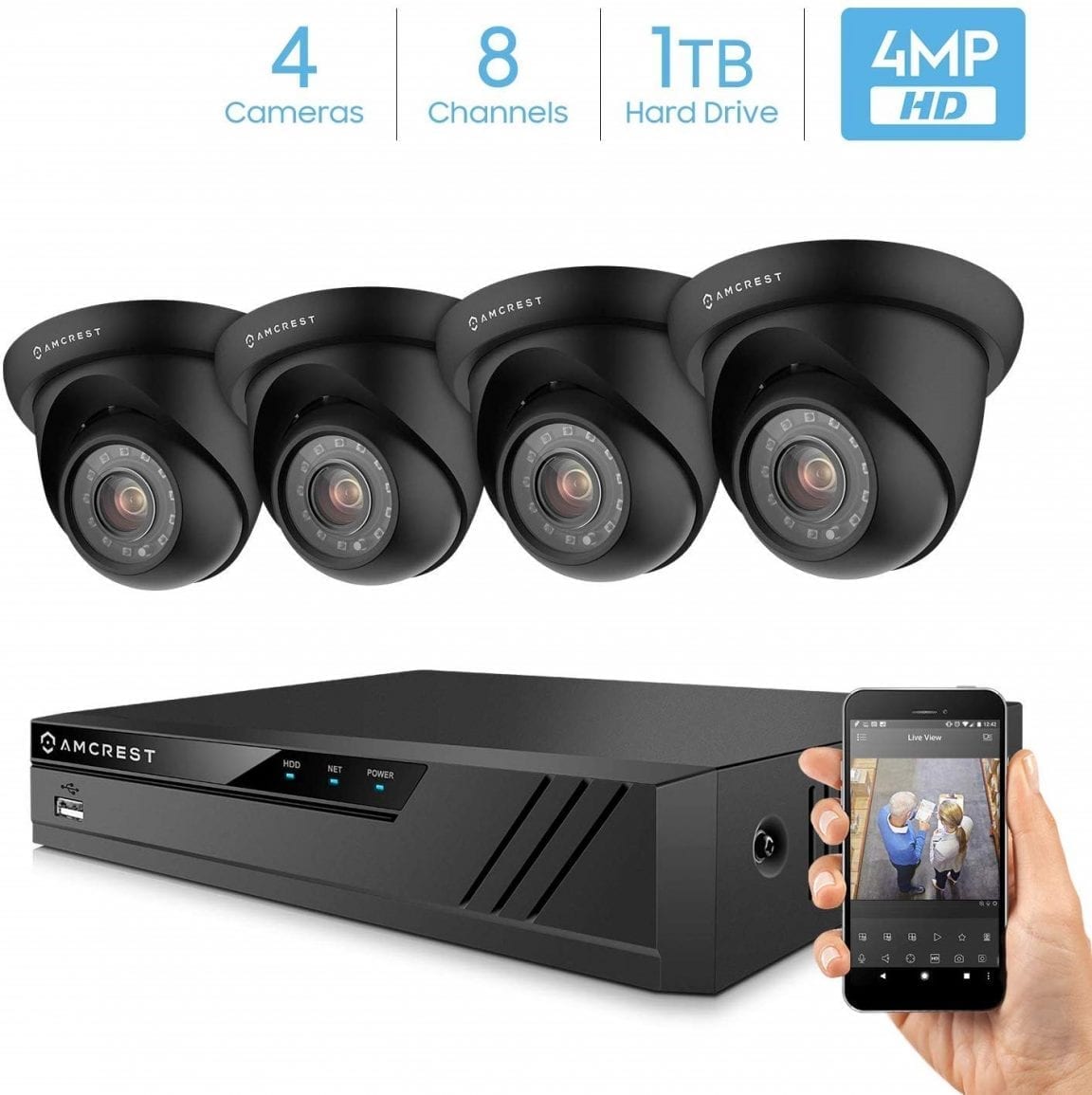
Picture this: It's 2 AM. You're dead asleep, dreaming of that perfect flat white, when suddenly... THUMP! SCRAPE! SCUTTLE! Your heart leaps into your throat, doing an Olympic-level sprint. Is it a possum? A particularly ambitious gecko? Or, dare I say, someone trying to get a sneaky peek at your prized gnome collection? You strain your ears, convince yourself it’s nothing, then spend the next hour staring wide-eyed at the ceiling, replaying every horror movie you've ever seen. Sound familiar? Yeah, you're not alone, mate.
That gnawing uncertainty, that little voice whispering "what if?", is exactly what kicked me down the rabbit hole of home security camera systems. Because, let's be honest, who wants to live in a perpetual state of "is that a ghost or just the wind?" when you could, you know, just check? And in Australia, where we love our big backyards and sometimes even bigger distances between neighbours, a good set of eyes on your property feels less like paranoia and more like common sense.
Why Bother, Mate? Beyond the Possums
So, why are we even talking about this? Well, apart from the obvious peace of mind (and proving once and for all that it was just a possum), home security cameras offer a bunch of perks. They're a brilliant deterrent – no one wants to be caught on camera, trust me. They provide vital evidence if something does go wrong, saving you a world of headaches later on. And hey, sometimes it's just nice to check in on your fur-babies while you're at work, right? Or make sure your teenager actually made it home and didn't just tell you they did. (Just kidding... mostly.)
Must Read
So, What Should You Look For in the Land Down Under?
Navigating the sea of home security cameras can be a bit like trying to understand the rules of cricket – seemingly simple, but then suddenly, it's way more complicated than you thought. But don't stress! I've been there, done that, and probably watched too many YouTube reviews. Here's the lowdown on what really matters when you're picking a system for the Aussie lifestyle.
Crystal Clear Vision: Resolution & Night Vision
First up, you want to see what's going on, clearly. None of this blurry, pixelated Bigfoot footage, please. Aim for at least 1080p Full HD resolution. Anything less is honestly a waste of time. If your budget stretches, 4K is even better, especially if you need to zoom in on details (like a rego plate – hint, hint).

And then there's night vision. Most cameras have infrared (IR) night vision, which gives you a black and white image. It's good, but colour night vision is the real game-changer. Some cameras achieve this with spotlights, others with advanced sensors. It makes a huge difference for identifying things in the dark, and frankly, it just looks cooler.
Where Does It All Go? Storage Solutions
This is a big one, especially with our sometimes... ahem... "varied" internet speeds and data caps here in Australia. You've got two main options: cloud storage or local storage.

Cloud storage means your footage is uploaded to the internet and stored on remote servers. It’s convenient, accessible from anywhere, and generally secure. But, it often comes with a monthly subscription fee, and it chews through your internet data. If your NBN connection is a bit flakey or your data plan is tight, this might be a concern.
Local storage usually involves an SD card inside the camera or a Network Video Recorder (NVR) on-site. No subscription fees, no data usage once recorded. The downside? If the camera gets stolen or damaged, your footage might go with it. A hybrid approach (local storage with optional cloud backup for important clips) often hits the sweet spot for many Aussies.
Power Play: Wired or Wire-Free?
Do you want to run cables, or deal with batteries? That's the question here, my friend. Wired cameras offer continuous power and a more reliable connection, but installation can be a pain, especially if you're not handy with a drill and don't want visible cables everywhere. Best for permanent setups.
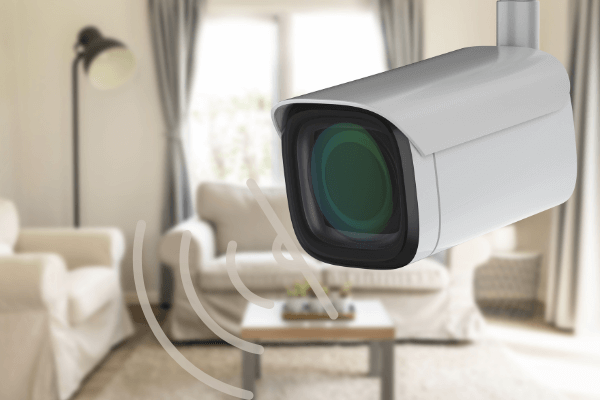
Wire-free (battery-powered) cameras are super easy to install – stick 'em up and you're good to go. But you'll need to recharge or replace batteries periodically, which can be annoying if they're in hard-to-reach spots. Battery life varies wildly, so check reviews!
More Than Just Vision: Smart Features & Audio
Modern cameras are more than just recording devices. Look for smart motion detection that can differentiate between a person, a car, and your neighbour's cat (sorry, Mittens, not this time). This cuts down on false alerts and saves your sanity. Two-way audio is also incredibly handy – shout at the delivery driver to leave the package by the door, or politely tell that possum to find another roof to scuttle on.
Built for the Bush (and the Burbs): Weatherproofing
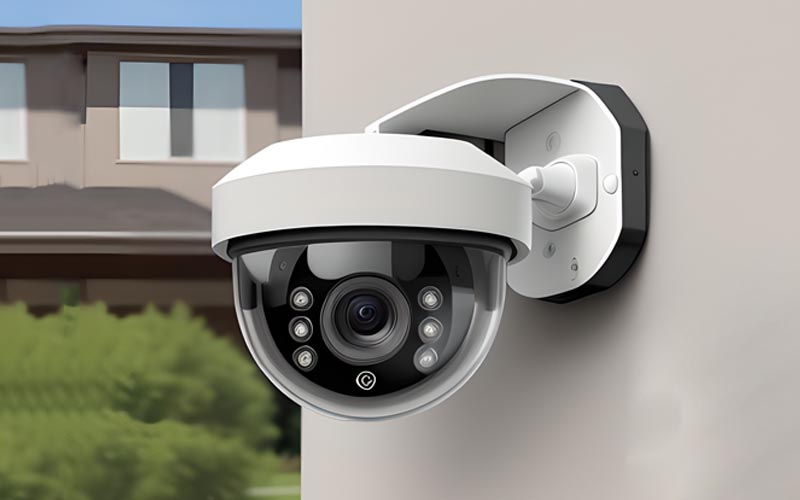
Australia throws everything at us – scorching sun, torrential rain, dust storms. Your camera needs to handle it all. Look for an IP rating (Ingress Protection rating). IP65 is good, but IP66 or IP67 is even better, meaning it's highly resistant to dust and water jets or even temporary submersion. Don't cheap out here, or you'll be replacing it after the first big storm.
The Bottom Line (and Your Privacy)
Ultimately, the "best" system for you will depend on your specific needs, budget, and tech comfort level. Do your research, read reviews (especially Aussie ones!), and don't be afraid to ask questions. And remember, while these gadgets are fantastic for security, always be mindful of privacy laws. Make sure your cameras are only pointing at your property, not your neighbour's bathroom window. That's just good form.
So, take the plunge! Get yourself sorted. Then, next time you hear that mysterious bump in the night, you can just grab your phone, check the live feed, and confirm it was, in fact, just Gary the gecko doing his nightly patrol. And finally, get some decent sleep. You deserve it, mate.