
Best Height For Carbon Monoxide Detector

We all have those home safety gadgets that hum quietly in the background, doing their thing. Smoke detectors, check. Fire extinguishers, probably tucked behind the pasta. And then there's the carbon monoxide detector. The unsung hero, the silent guardian of your cozy abode.
But when it comes to installing these little lifesavers, a common question pops up faster than toast in a faulty toaster: Where exactly should I put it? Specifically, how high?
The Great Gas Debate: Lighter or Heavier?
It’s a tale as old as time, or at least as old as home safety manuals: "Is carbon monoxide lighter or heavier than air?" You might picture it like a helium balloon trying to escape to the ceiling, or a bowling ball determined to hug the floorboards. Well, folks, it’s not quite that simple.
Must Read
Unlike your grandad’s ‘always put the milk back in the fridge’ rule, CO doesn’t have a strict height preference like a diva demanding a specific stage. It’s not going to float regally to the chandelier or sullenly sink to hide under the rug. Phew, one less thing to stress about, right?
CO: The Social Butterfly Gas
The truth is, carbon monoxide, or CO as its friends call it, is a bit of a social butterfly. It’s a gas that’s actually very similar in density to air. What does that mean for your detector placement? It means CO likes to mingle. It doesn’t just rise or fall; it mixes readily with the air around it.
Think of it like that one guest at a party who just drifts through the crowd, chatting with everyone, never settling in one spot. CO disperses throughout the room, seeking out every nook and cranny. So, trying to find that one 'perfect' altitude for it is a bit like trying to catch smoke with a sieve – an exercise in futility.
Finding the "Goldilocks Zone" for Your Detector
So, if it just floats around like a forgotten thought, what’s the big deal about height? Good question! While it doesn't strictly rise or fall, there are still some practical guidelines that make sense, mostly for our convenience and the detector's optimal performance.
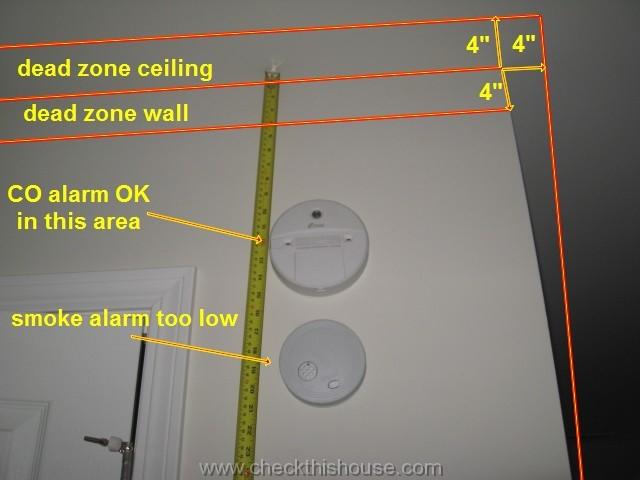
The general consensus, the goldilocks zone if you will, is to place your CO detector on a wall, somewhere between knee height and eye level. Think around 5 feet from the floor. Why this range? Because it’s where you and your family are breathing. It’s also high enough to be out of the way of curious pets or zealous vacuum cleaners, but not so high it gets lost in the ceiling décor.
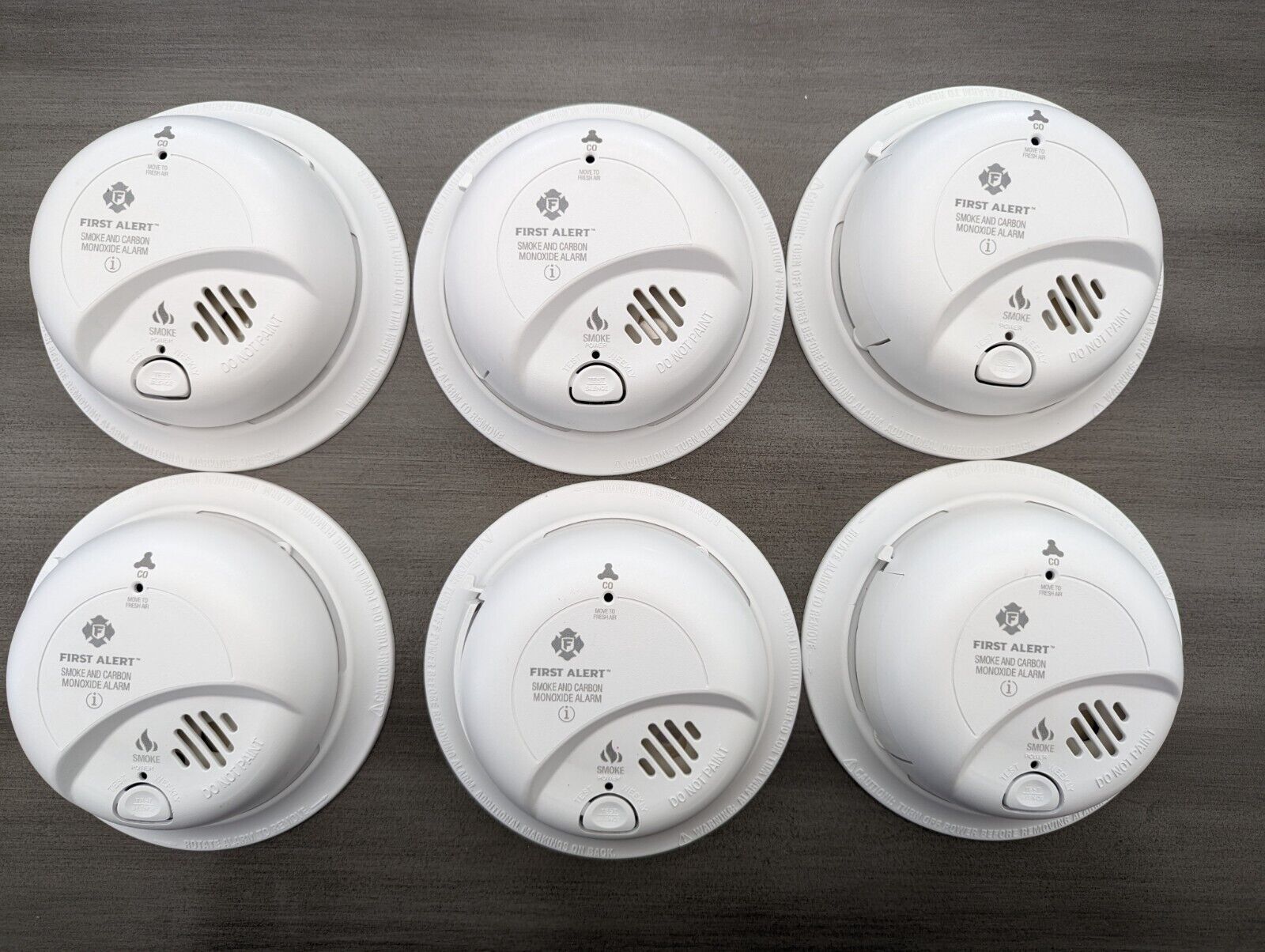
If mounting on a wall isn't an option, some models are perfectly happy on the ceiling. Often, you'll find CO detectors integrated right into smoke alarm units, which usually live on the ceiling anyway. Convenient, right? It's like a two-for-one deal on peace of mind!

The most important thing isn't the exact inch, but rather making sure it has a clear path to the air. Avoid tucking it behind curtains, placing it directly over a vent, or cramming it into a corner where it can't properly "breathe." Give it some breathing room!
Where to Put Your Guardian Angels
Now, where in the house should these sentinels stand guard? Think about where CO might happen and where you might be when it does:
1. Near sleeping areas: This is crucial. CO is sneaky and odorless. You want to be woken up if it decides to make a midnight visit. Put one in the hallway outside bedrooms. Or better yet, inside each bedroom.
2. On every level of your home: Basements, main floors, upstairs – give each level its own guardian. Think of it as a safety blanket for each floor.
3. Near attached garages or fuel-burning appliances: If you have an attached garage, a gas furnace, water heater, or fireplace, put a detector nearby. Not right on the appliance, mind you, but in the general vicinity where CO might escape.
Don't Overthink It, Just Do It!
Honestly, the biggest mistake isn't putting it an inch too high or too low. It's not having one at all, or having one that's unplugged or has dead batteries. Don't let the height debate paralyze you!

It’s not like trying to perfectly align a picture frame with a laser level. Just pick a spot that makes sense – easy to see, easy to hear, and away from obstructions. Your main goal is simply to have the detector where it can do its job: detecting.
And just like checking the batteries in your smoke detector every six months (Daylight Saving Time, anyone?), give your CO detector a quick test button press. It's a small chirp for you, a giant leap for home safety.
So, forget the myths of floating gas and sinking hazards. Carbon monoxide is an equal opportunity mingler. Give your detector a reasonable spot, let it breathe, and rest easy knowing your home is a little safer. Now go forth and conquer that installation, you domestic superhero!