Best Form Of Magnesium For Cramps

Let's face it, nobody likes cramps! Whether it's a charley horse that wakes you up screaming in the middle of the night or those dreaded period cramps that make you want to curl up into a ball, they're just plain awful. But what if I told you there was a potential superhero in the fight against cramps, and its name is magnesium? Yes, this mineral might just be your new best friend. And the best part? Figuring out which type of magnesium is right for you can be a fun (and surprisingly informative) journey!
So, what's the deal with magnesium anyway? Its primary purpose is to help your muscles function properly. It acts like a natural muscle relaxant, working against calcium, which causes muscle contraction. When you're low on magnesium, your muscles can become overly excitable, leading to those painful, unwanted contractions we call cramps. The benefit is clear: adequate magnesium levels can help prevent and alleviate those annoying twinges and debilitating spasms.
Now, here's where things get interesting. Not all magnesium is created equal! There are several different forms, each absorbed differently by the body and potentially offering varying benefits. Think of it like choosing the right tool for the job. Let's explore some of the popular contenders:
Must Read
Magnesium Citrate: This is often the go-to recommendation for constipation relief, as it has a strong laxative effect. However, that same effect might not make it the best choice if you're primarily looking to soothe muscle cramps. It can still help, but be mindful of the potential for… well, you know. It's readily available and relatively inexpensive, making it a popular option to try.
Magnesium Oxide: While it contains a high percentage of magnesium, it's poorly absorbed by the body. This means you might not be getting as much of the cramp-fighting benefits as you think. It's another common and cheap option, but often not the most effective.

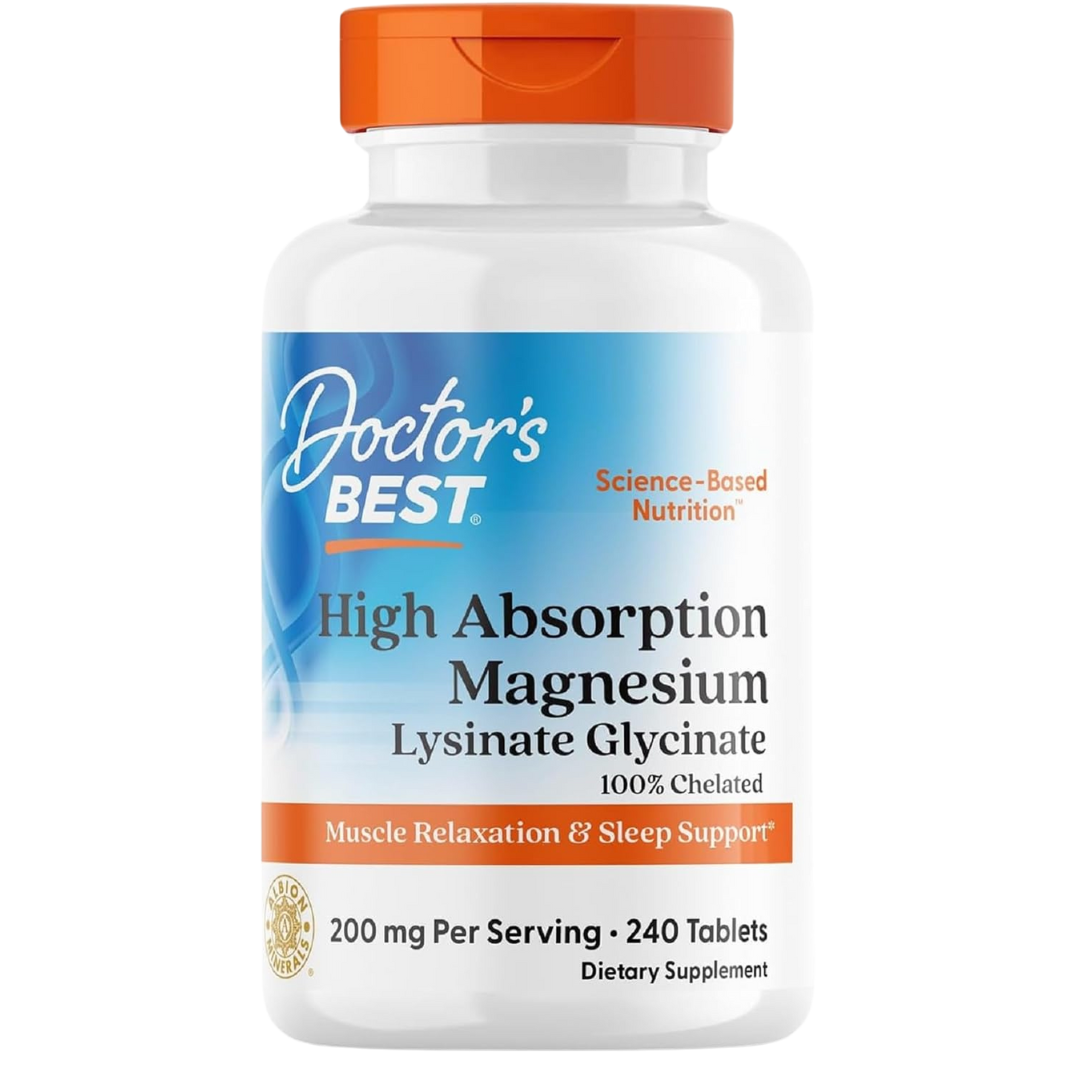
Magnesium Glycinate: This is often touted as the best form of magnesium for cramps, and for good reason! It's highly bioavailable, meaning your body can absorb it easily. Glycine itself is an amino acid with calming properties, which can further help relax muscles and reduce anxiety, another potential trigger for cramps. Plus, it's less likely to cause digestive upset than some other forms, making it a gentle and effective choice. This is usually a great place to start!
Magnesium Chloride & Lactate: These are easily absorbed and can be great for those with sensitive stomachs. You'll often find these in topical applications like magnesium oil or bath flakes. Absorbing magnesium through the skin can be a particularly effective way to bypass any potential digestive issues and directly target muscle soreness and cramps. A warm Epsom salt (magnesium sulfate, though less well absorbed internally) bath is a classic for a reason!

Magnesium Taurate: This form combines magnesium with taurine, an amino acid that is good for your heart and helps regulate blood pressure. While not specifically targeted at cramps, the combined benefits make it a good general option.
Ultimately, the best form of magnesium for cramps is the one that works best for you. It might take some experimenting to find your perfect match. Remember to start with a low dose and gradually increase it until you find relief, paying attention to any potential side effects. And of course, always talk to your doctor or a qualified healthcare professional before starting any new supplement regimen, especially if you have any underlying health conditions. Happy cramp-busting!