
Best Fire Alarm And Carbon Monoxide Detector
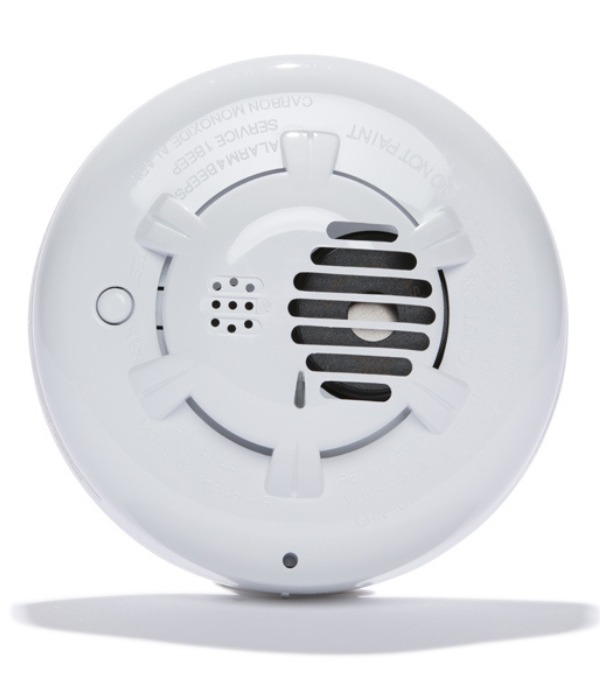
Okay, confession time. When you think "fun topics to chat about with a friend," does "fire alarms and carbon monoxide detectors" even make the top fifty? Probably not. But guess what? You're about to be pleasantly surprised!
Because, believe it or not, these silent (and sometimes very loud) guardians of our homes are actually pretty fascinating. They're like the unsung superheroes of domestic safety, and they've got some seriously quirky quirks.
The Mighty Fire Alarm: More Than Just a Scream
Let's kick things off with the OG. The fire alarm. We all know its signature sound. That piercing, ear-splitting shriek designed to yank you from the deepest slumber. It's truly a marvel of engineering, perfectly calibrated to be annoying enough to save your life.
Must Read
Remember that time you burned toast? Or took a shower so steamy it practically created its own cloud forest? Yep, your fire alarm probably went off. It's like a drama queen, always overreacting, but hey, better safe than sorry, right?
Did you know there are actually two main types of smoke detectors? There's the ionization smoke alarm, which is super quick at detecting fast-flaming fires. Think paper igniting rapidly. Then there's the photoelectric smoke alarm, which is a pro at sensing slow, smoldering fires – the kind that produce lots of thick, dark smoke first. Many experts recommend having both, or a combo unit, for the best protection. Smart, huh?
And let's not forget the most infamous sound in modern homes: the low-battery chirp. It always starts at 3 AM. It’s a rhythmic, maddening little beep that feels specifically designed to test your sanity. But it's also a tiny, persistent reminder that your protector needs a power-up. It's like your house is gently, repeatedly, but firmly, whispering, "Hey, human, I need a snack!"
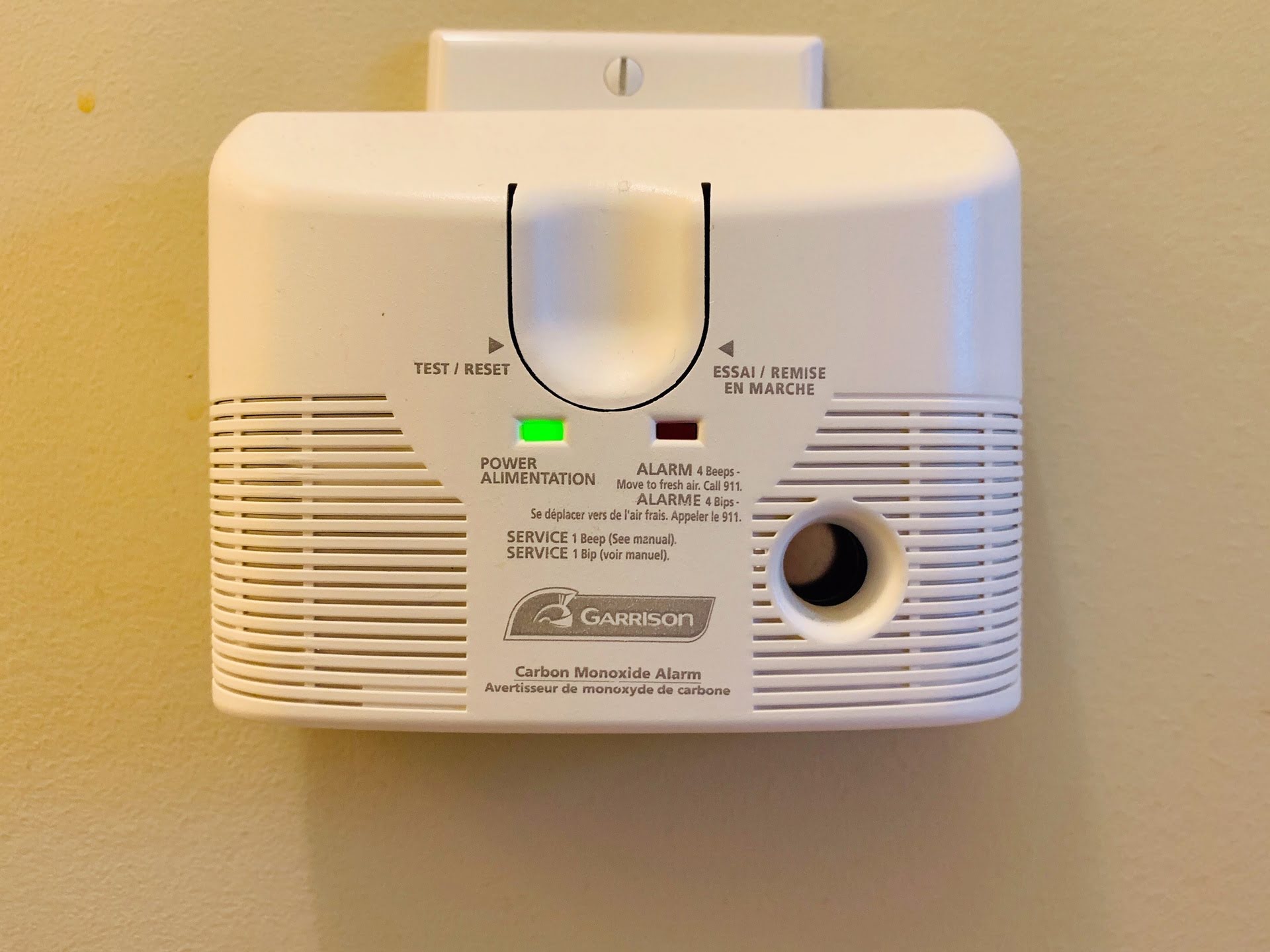
Here’s a quirky fact that might surprise you: fire alarms expire! Yep, just like that milk in your fridge, they have a shelf life, usually about 10 years. After a decade, their sensors can become less reliable. So, if your alarm is older than your dog, it might be time for an upgrade!
Carbon Monoxide Detectors: The Invisible Noses
Now, let's talk about the mysterious companion: the carbon monoxide (CO) detector. This guy is truly a hero because CO is often called the "silent killer." Why? Because it’s an invisible, odorless, tasteless gas. You can't see it, you can't smell it, you can't even get a whiff! It's the ultimate stealthy villain.
So, how do we fight something so sneaky? With our amazing CO detectors! They act as our personal, highly sensitive noses, sniffing out this dangerous gas that your own body completely misses. Where does CO come from? Faulty furnaces, gas stoves, clothes dryers, water heaters, even a car left running in an attached garage. Basically, anything burning fuel can produce it if not properly ventilated.
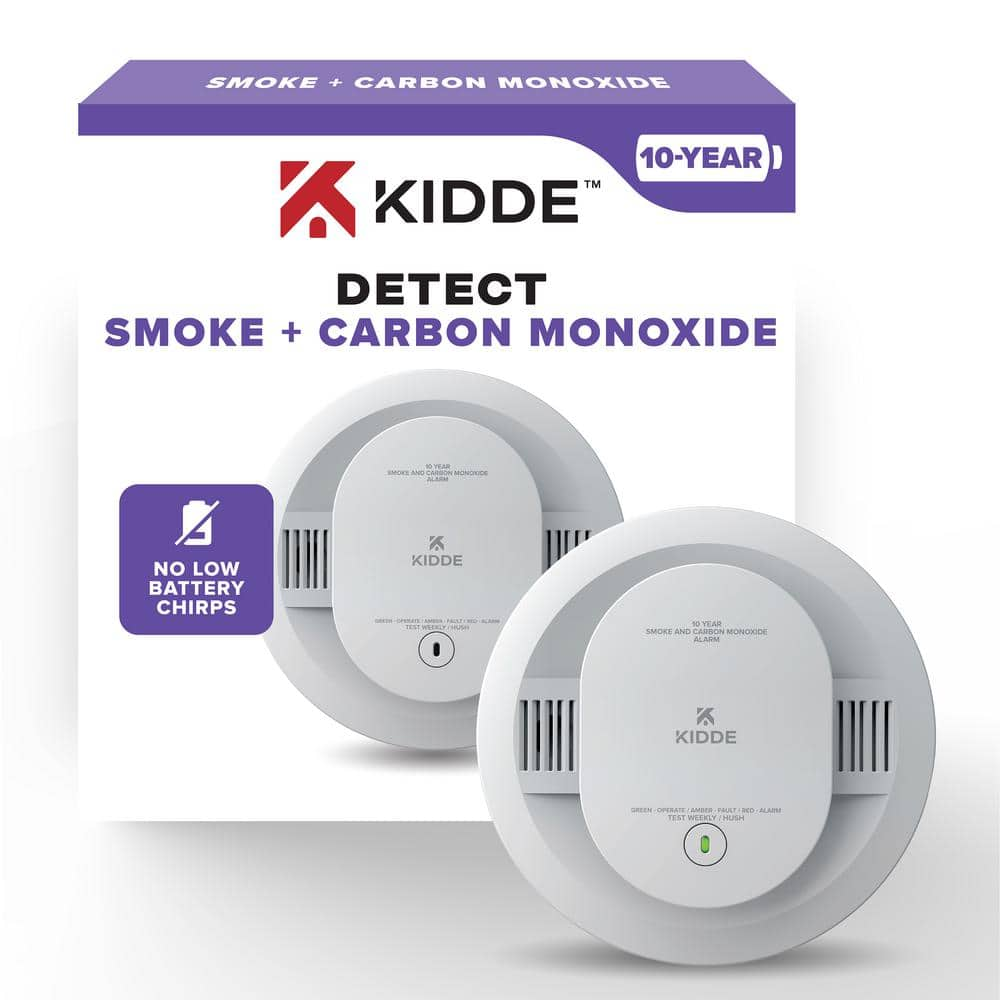
Think about it: your detector is constantly monitoring the air, looking for something you have no natural defense against. That's pretty wild! It’s like having a tiny, dedicated bodyguard whose only job is to smell for bad stuff you can't. And when it finds it, it lets out a distinctive, urgent beep – different from the fire alarm, but equally commanding.
The Dynamic Duo: Combo Units
Why have two separate gadgets when you can have one super-powered guardian? Enter the combo fire and CO detector! These clever devices pack both types of detection into a single unit, saving you ceiling space and streamlining your safety setup. It’s like Batman and Robin, but for your home's air quality.
Many of these combo units are super smart, too. They often feature digital displays showing CO levels, tell you what kind of danger they've detected (smoke vs. CO), and some even talk to you. Imagine, "Warning! Smoke detected in the living room!" instead of just a generic screech. It’s like having a mini AI butler looking out for you!

The Future is Now: Smart Alarms and Happy Batteries
The world of fire and CO detection isn't stuck in the past. We're talking smart home integration! Many modern detectors can connect to your Wi-Fi. This means you can get alerts on your phone if something's wrong, even when you're not home. Burnt the popcorn but stepped out? Your phone will tell you! Accidental alarm? Some even have a "hush" button you can press from your app. No more frantic broom-waving at the ceiling!
And the biggest, most joyous innovation for anyone who's ever suffered the 3 AM chirp: 10-year sealed batteries! Yes, you read that right. These glorious devices come with batteries designed to last the entire lifespan of the unit. No more annual battery changes, no more midnight chirps. Hallelujah!
Another neat feature? Interconnected systems. If one alarm goes off, they all go off. This is huge, especially in larger homes. If there's smoke in the basement, the alarm upstairs screams too, giving everyone more time to escape. It's a symphony of safety!

Choosing Your Champion: What to Look For
So, how do you pick the best one for your place? It's not just about grabbing the first thing off the shelf. Think about:
- Type: Do you want ionization, photoelectric, or a combo unit? (Combo is often recommended!)
- Smart Features: Do you want Wi-Fi connectivity, app control, and voice alerts?
- Battery Life: Seriously, consider those 10-year sealed batteries. Your sanity will thank you.
- Interconnectedness: Can they all talk to each other?
And here’s the most important, slightly annoying, but absolutely crucial tip: TEST THEM! Most detectors have a test button. Press it once a month. Yes, it's loud. Yes, it’s a bit jarring. But it’s a quick confirmation that your little superhero is ready to spring into action when it really counts.
So, there you have it. Fire alarms and CO detectors. Not just boring safety devices, but a fascinating world of clever tech, quirky facts, and essential protection. Who knew staying safe could be so... interesting?
Go on, give yours a little appreciative glance. Or maybe a monthly test. Your future self will thank you!