
Before Attaching A Regulator The Cylinder Valve
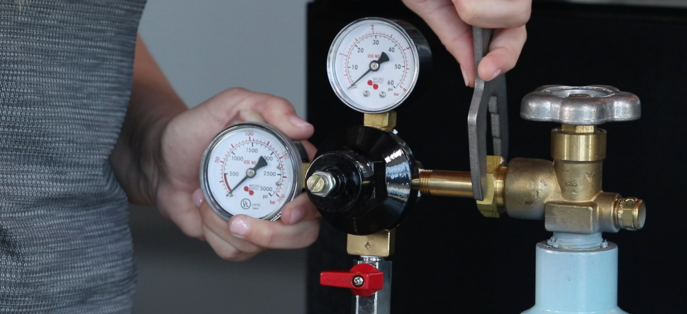
Ever looked at a scuba cylinder and thought, "What's the deal with that valve thingy?" You should! It's more exciting than it looks. Trust me.
The Cylinder Valve: Your Underwater BFF
Okay, so maybe "BFF" is strong. But it is your lifeline. This little piece of metal connects your tank to your regulator. No valve, no air. No air, no fun. Pretty simple, right?
Think of it as the gatekeeper to your personal underwater oasis. It controls the flow of compressed air. That precious air you'll be breathing down in the big blue. It's super important to treat it with respect. And maybe a little awe.
Must Read
First Things First: The Inspection!
Before you even think about attaching a regulator, give that valve a good once-over. Are there any obvious dents? Cracks? Zombie apocalypse bite marks? (Okay, maybe not bite marks). But seriously, check for damage.
Look closely at the valve opening. Is it clean? Free of debris? You don't want any sand, salt, or rogue seaweed hitching a ride into your regulator. Cleanliness is next to godliness. Especially when it comes to breathing underwater.
A quick peek inside can save you from a whole heap of trouble. Think of it as dental hygiene for your scuba gear. Nobody wants a regulator full of plaque!
The O-Ring Tango
Ah, the O-ring. This little rubber gasket is crucial. It creates an airtight seal between the cylinder valve and your regulator. Without it, you'll have a leaky situation. And nobody wants that.
Inspect that O-ring like it's a precious gem. Is it there? Is it in good condition? Is it properly seated? A damaged or missing O-ring is a major buzzkill. Replace it if needed. They're cheap and easy to swap out.
Pro Tip: Keep a spare O-ring in your save-a-dive kit. Trust me, you'll thank yourself later. Future you will be eternally grateful.
The Cracking Game
"Cracking the valve." Sounds a bit sinister, doesn't it? But it's just a fancy way of saying "briefly open and close the valve." This little trick helps to blow out any dust or debris that might be lurking inside. It's like giving your valve a tiny sneeze.
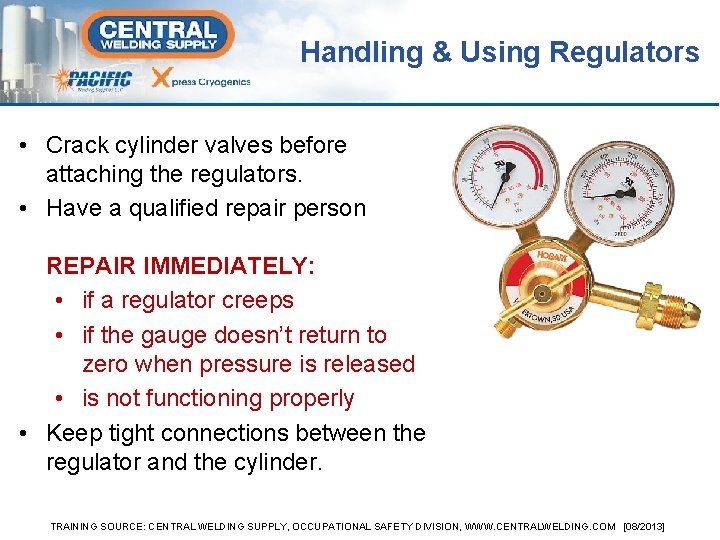
Point the valve opening away from you (and anyone else nearby!). Then, quickly open and close the valve. You should hear a short burst of air. Voila! You've successfully cracked the valve. You're practically a scuba pro now.
Why is this so important? Because that tiny burst of air can dislodge any particles that could potentially damage your regulator. Think of it as a pre-flight check for your breathing system.
The Right Regulator Matters!
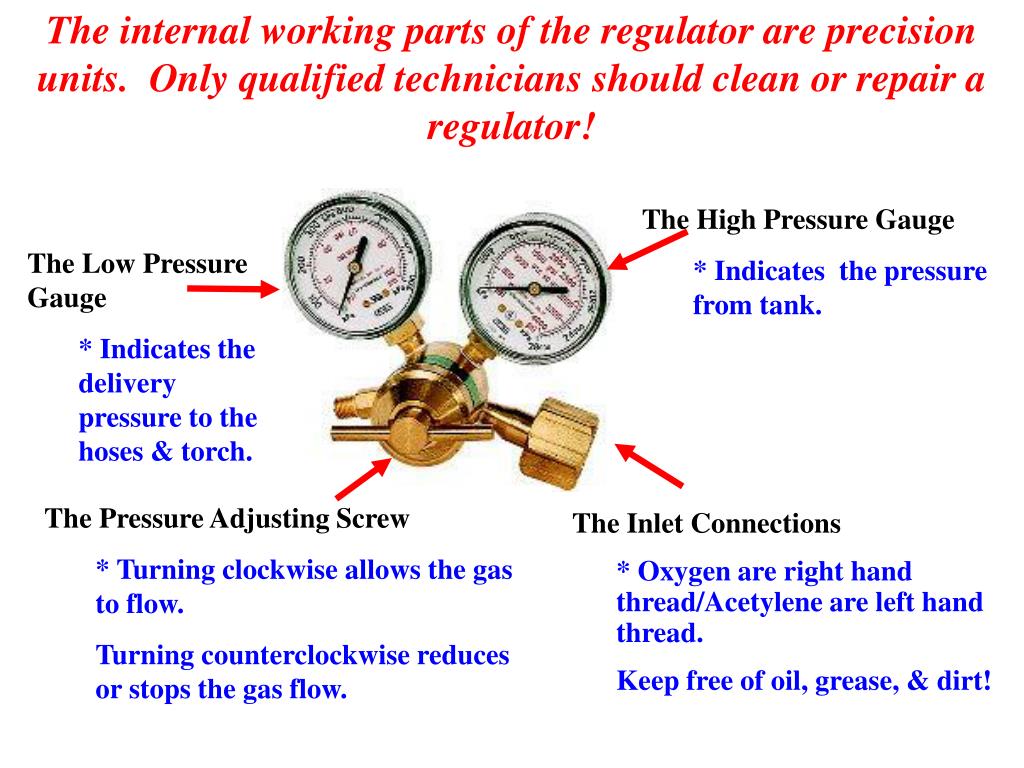
Not all regulators are created equal. Some are designed for specific types of valves. Make sure your regulator is compatible with your cylinder valve. Mismatched gear is a recipe for disaster.
There are two main types of cylinder valves: Yoke and DIN. Yoke valves are more common in North America. DIN valves are more common in Europe. But it's always best to double-check.

Using the wrong type of regulator can damage both the regulator and the valve. It can also create a dangerous leak. So, pay attention! Your safety depends on it.
Tighten, But Don't Overtighten!
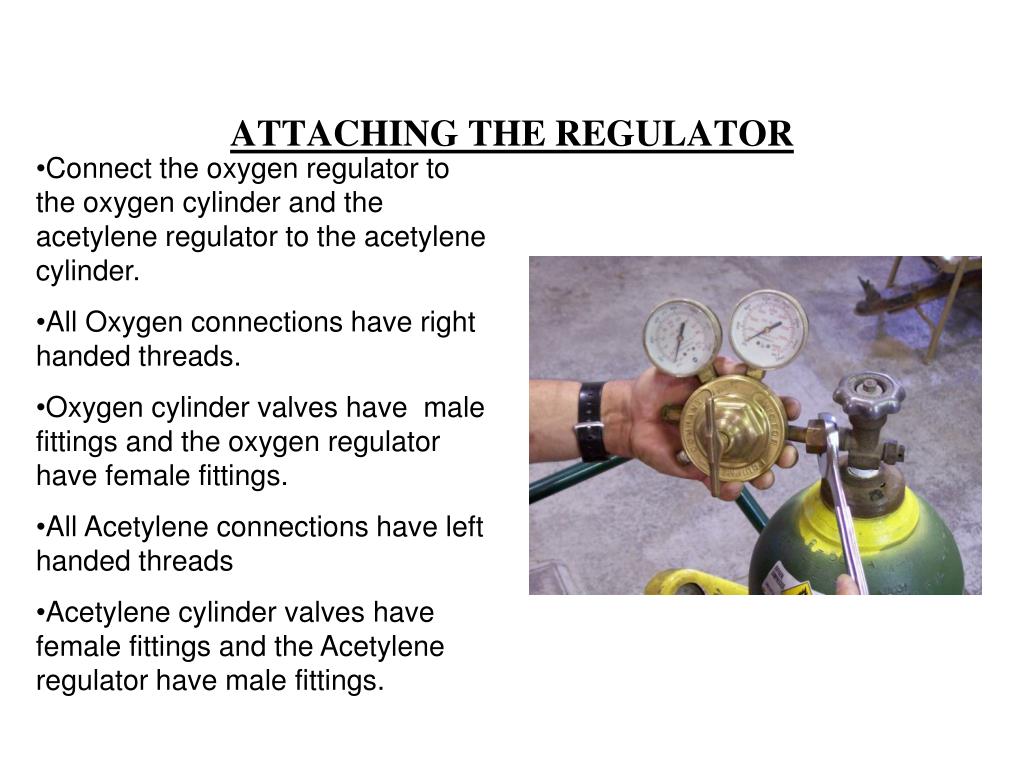
When attaching your regulator, tighten it securely. But don't go overboard! Overtightening can damage the O-ring or the valve. Think of it like tightening a lug nut on your car. Snug is good. Hulk strength is bad.
A good rule of thumb is to tighten the regulator until it's snug. Then, give it a little extra nudge. You should feel a firm seal. But you shouldn't have to strain yourself.
If you're not sure, ask your dive buddy or a qualified instructor. They can show you the proper technique. It's always better to be safe than sorry.
Listen Carefully!
Once you've attached the regulator, slowly open the cylinder valve. Listen for any leaks. A hissing sound indicates a problem. A silent connection is a happy connection.
If you hear a leak, immediately close the valve. Disconnect the regulator. Inspect the O-ring and the valve opening. Try again. If the leak persists, don't use the cylinder. Find another one.
Remember, your safety is paramount. Don't take any risks. If you're not comfortable with something, don't do it. Ask for help.
So, there you have it! A whirlwind tour of cylinder valve etiquette. Now go forth and dive with confidence. And always remember to give that valve a little love before you hit the water! Happy diving!