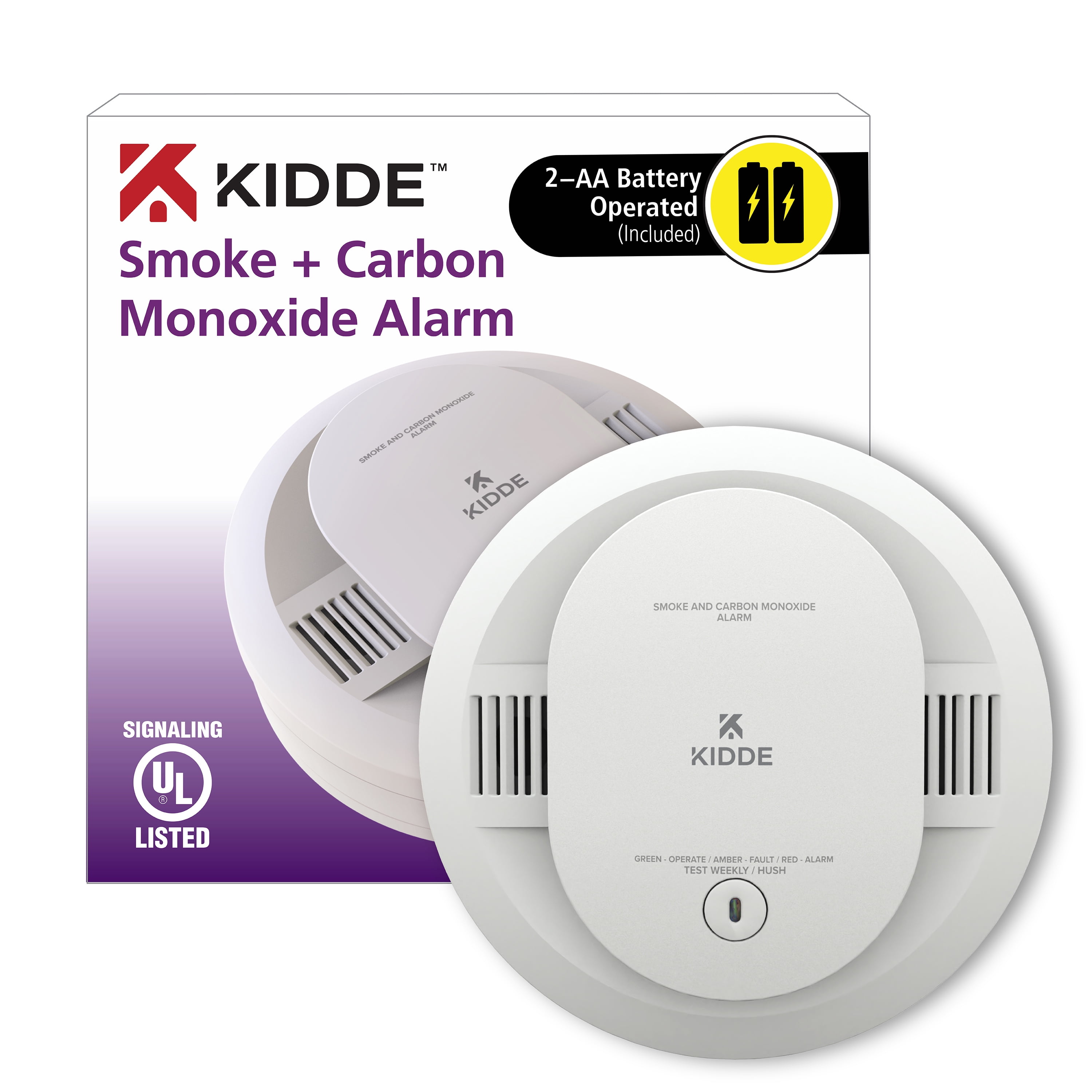
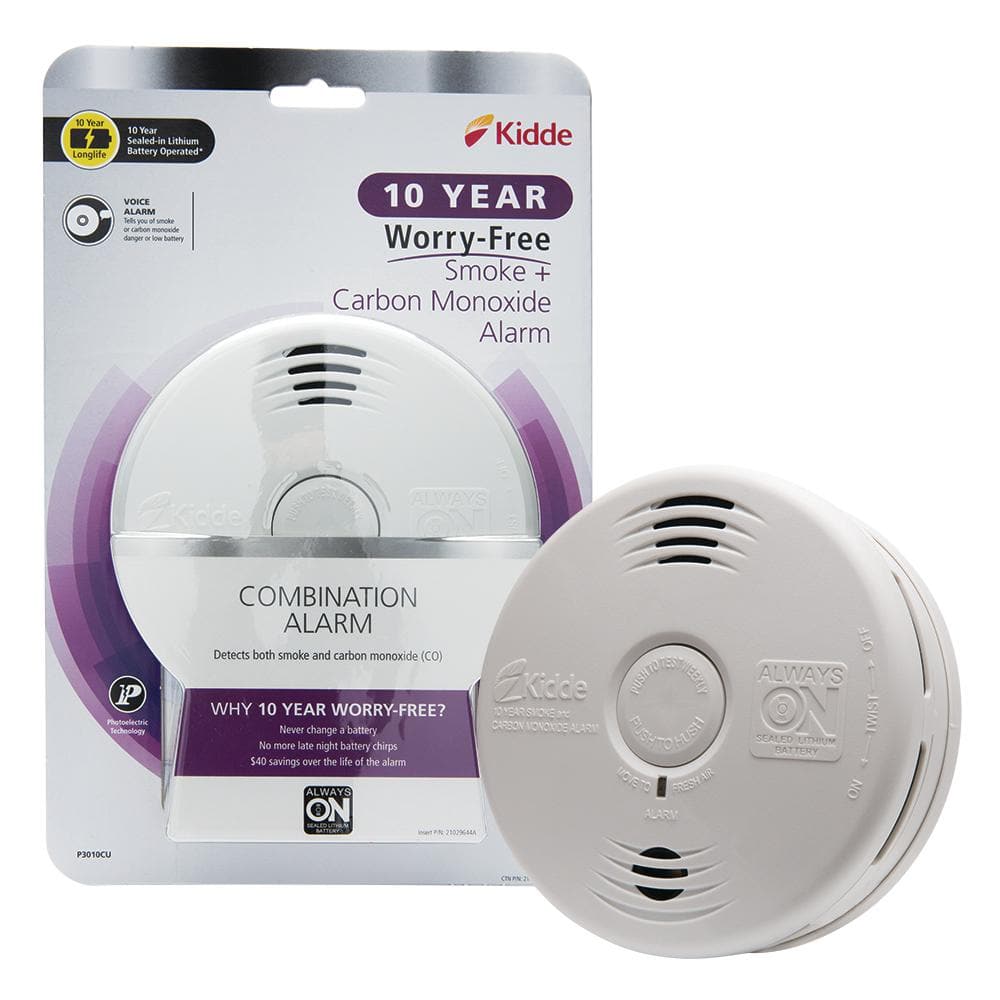
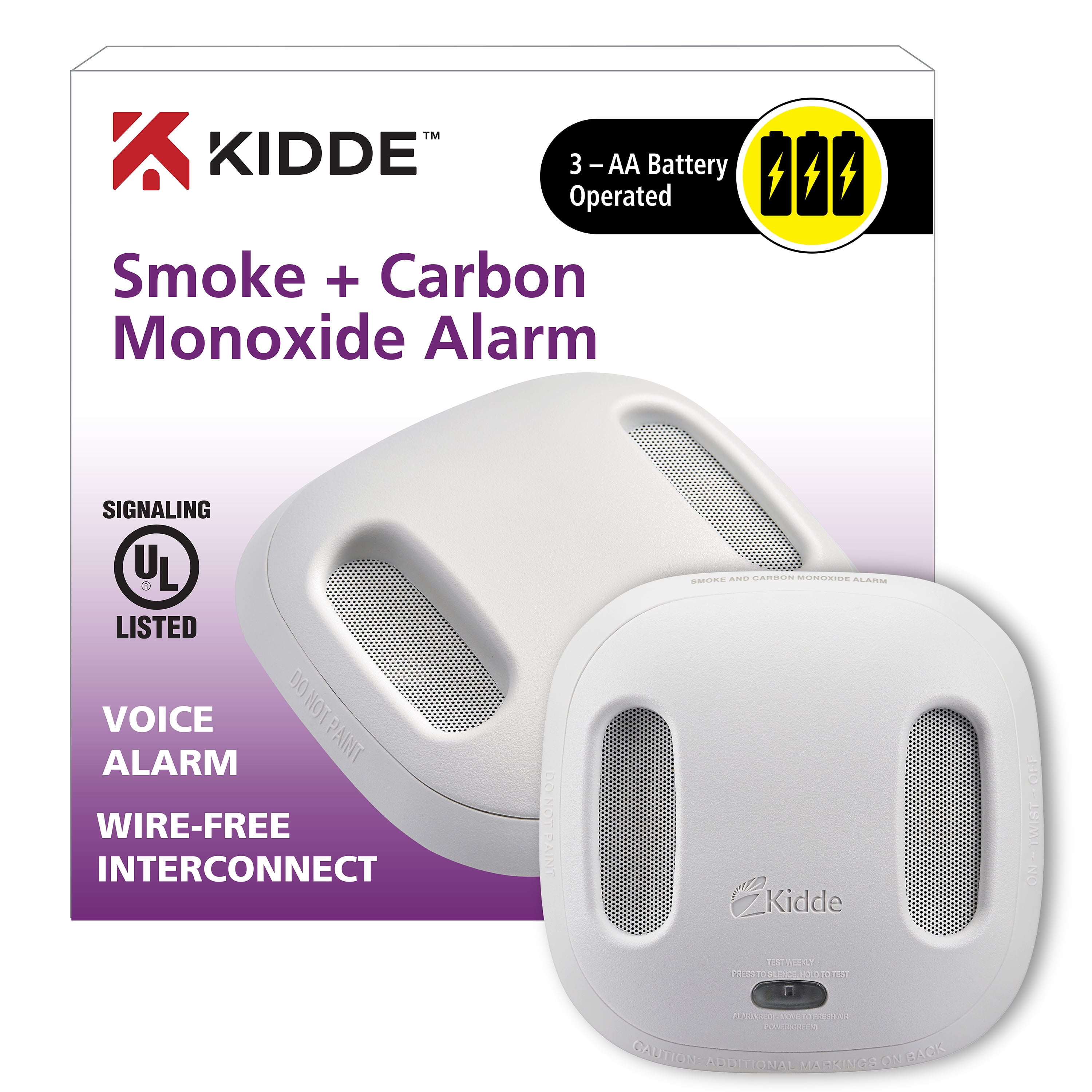
Battery Smoke Carbon Monoxide Detector
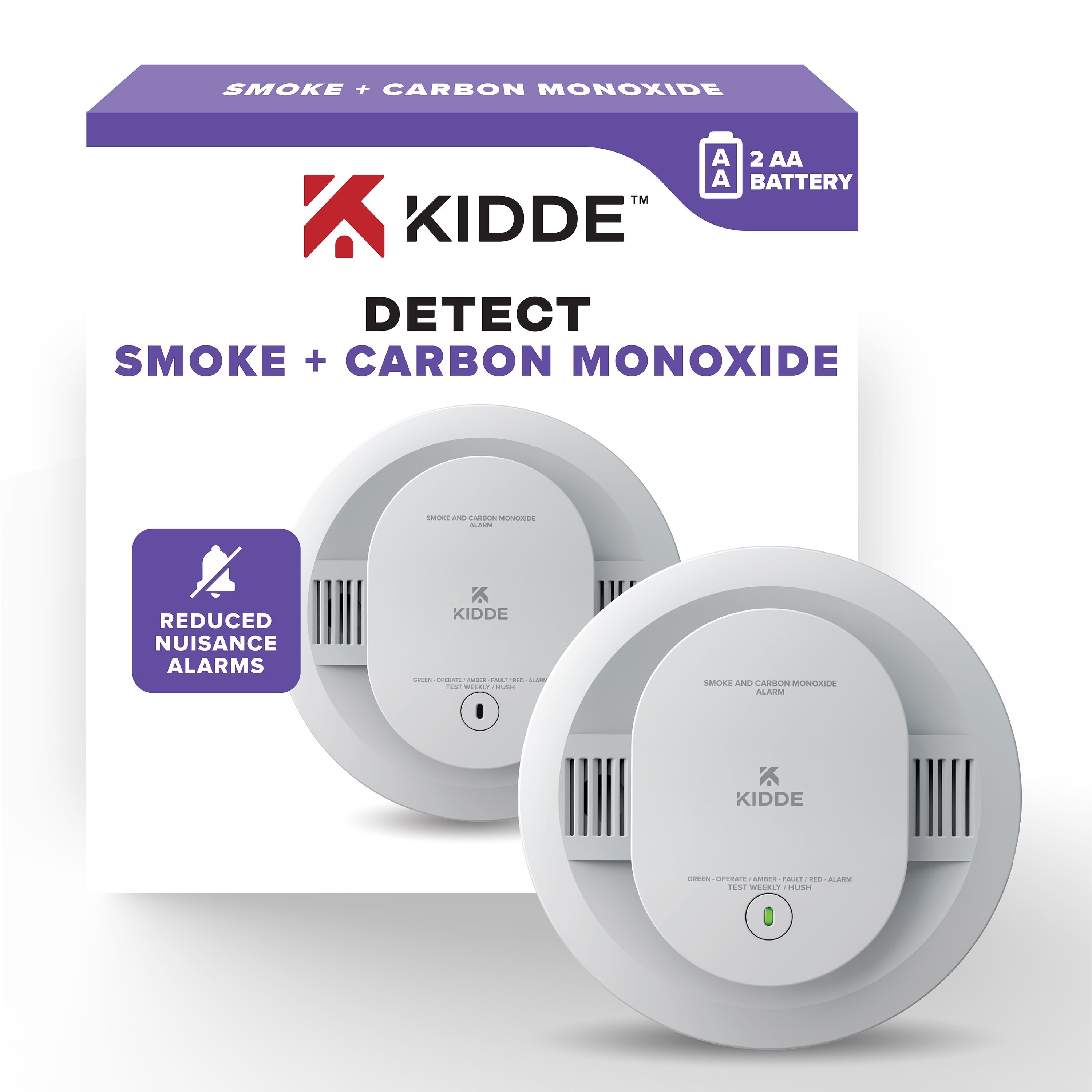
Ever stopped to think about all the amazing gadgets buzzing around your home, powered by those little energy bricks we call batteries? From your smartphone to your electric toothbrush, and even that sleek e-bike in the garage, batteries are the unsung heroes of modern life. But like any powerful hero, they come with a tiny footnote: they need to be treated with respect. That’s where something really clever, a battery smoke carbon monoxide detector, steps in – and trust me, it’s far more interesting than it sounds!
Think of it as having a little guardian angel with a super keen nose. Its main purpose is twofold: first, it’s on the lookout for smoke, particularly the kind that might arise if a battery, especially a powerful lithium-ion one, decides to have a bad day and overheat or short-circuit. These events, though rare, can happen, and they can escalate quickly. The detector gives you an early warning, buying precious moments to respond. Second, and equally vital, it sniffs out carbon monoxide (CO). This gas is truly insidious – it's colorless, odorless, and tasteless, making it impossible for humans to detect without help. CO can come from faulty furnaces, gas appliances, or even exhaust from a car idling too long in a garage. Having one device that tackles both these silent threats provides immense peace of mind and is a massive benefit for any home.
So, where does this smart little device fit into our lives? In daily living, think about your charging hubs – where you juice up your phones, tablets, laptops, and power tools. Placing a combined smoke/CO detector nearby is just plain smart. What about that e-scooter or drone battery charging in the living room? Again, a perfect spot. Garages are also prime locations, often housing car batteries, power tool chargers, and sometimes even gas heaters. In an educational setting, these detectors can spark fascinating discussions. Imagine a STEM class exploring the chemistry of thermal runaway in batteries, the physics of smoke and gas sensors, or even the biology behind carbon monoxide poisoning. It’s a tangible, real-world application of science that emphasizes safety and innovation.
Must Read
Ready to explore this topic further? Here are a few simple tips: Start by doing a quick “battery audit” of your home. Which rooms have the most chargers or high-capacity batteries? Those are your priority zones. Consider purchasing a combined smoke and CO detector – they are widely available and relatively inexpensive for the protection they offer. When you get one, pay attention to its placement. Manufacturers provide guidelines, but generally, near charging stations, in bedrooms, and on every level of your home are good rules of thumb. Don’t forget to regularly press that "test" button – it’s often overlooked but crucial for ensuring your guardian angel is awake and alert. Research different sensor types, too: photoelectric for slow, smoldering fires (like battery fires often start), and electrochemical for CO. Understanding how these clever devices work makes appreciating their vital role even more fun!